Find a Disruptive Mood Dysregulation Disorder (DMDD) Therapist
On this page you'll find therapists who specialize in Disruptive Mood Dysregulation Disorder (DMDD), with profiles, credentials, and treatment approaches listed. Browse the listings below to compare clinicians and find a provider who meets your needs.








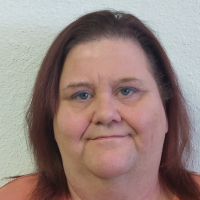





Morganne Brown
LCSW
Arkansas - 8 yrs exp










Understanding Disruptive Mood Dysregulation Disorder
Disruptive Mood Dysregulation Disorder, often referred to as DMDD, is a behavioral health concern that most commonly appears in childhood or adolescence. It is characterized by persistent irritability and frequent severe temper outbursts that are disproportionate to the situation. These patterns can affect mood between outbursts, creating a chronic negative emotional state that interferes with a young person's day-to-day functioning at home, at school, and with peers.
Because DMDD affects mood and behavior, it tends to show up across multiple settings. You may notice that a child with DMDD has difficulty regulating anger, responds with intense frustration to minor provocations, and struggles to recover emotionally after an episode. Over time these patterns can lead to strained relationships, academic challenges, and increased stress for caregivers and family members.
Signs that therapy may help
If you are worried that a child or adolescent may be experiencing Disruptive Mood Dysregulation Disorder, there are several practical signs that suggest professional support could be helpful. Frequent, intense temper outbursts that occur multiple times per week and seem out of proportion to the trigger are one indicator. Another sign is a persistently irritable or angry mood that lasts most of the day and is noticeable to others across different environments.
You might also see marked difficulties with peers, recurrent disciplinary issues at school, and problems completing tasks because of emotional reactivity. If family interactions are dominated by conflict, if the young person avoids social situations, or if daily routines are regularly disrupted by mood episodes, these are all reasons to consider therapeutic assessment. A mental health assessment can clarify whether DMDD or another condition better explains the symptoms, and it can guide the development of a targeted treatment plan.
What to expect in therapy sessions
When you begin therapy for DMDD, the first phase is usually an assessment period. During this time the therapist will gather information about the young person's behavior patterns, medical and developmental history, family dynamics, and school performance. You can expect questions about triggers for outbursts, the frequency and duration of mood changes, and how symptoms affect daily life. The clinician may ask caregivers and teachers for input to get a fuller picture of functioning across settings.
Following assessment, the therapist will work with you to set collaborative goals. Goals tend to focus on reducing the frequency and intensity of outbursts, improving emotional regulation skills, and strengthening family routines that support consistent responses to behavior. Many treatment plans include skill-building between sessions, which means you and your child will practice techniques at home and report back on how they are working. Regular progress reviews help adjust the approach over time.
Therapy structure and family involvement
Sessions often include both one-on-one time with the child and joint sessions with caregivers. Parent-focused work is common because caregivers play a central role in shaping responses to behavior and reinforcing new skills. Therapists typically teach parents strategies for setting clear expectations, providing consistent consequences, and using positive reinforcement to encourage desirable behaviors. Collaboration with school staff may also be part of the plan so that strategies are implemented in the classroom and at home.
Common therapeutic approaches for DMDD
Cognitive behavioral therapy is widely used to help children and adolescents identify unhelpful thought patterns and practice alternative responses to emotional triggers. In CBT you and your child will learn skills for recognizing early signs of escalation, using calming strategies, and problem-solving in high-stress moments. These techniques can reduce the intensity of outbursts and improve coping over time.
Parent management training focuses on teaching caregivers behavior-management techniques that are consistent and effective. This approach emphasizes clear expectations, structured routines, and predictable consequences so that the child learns which behaviors lead to positive outcomes. When parents and caregivers apply these strategies consistently, many families see meaningful improvements in daily functioning.
Dialectical behavior therapy skills, adapted for younger clients, can be helpful when emotional dysregulation is severe. These strategies include emotion regulation skills, distress tolerance tools, and interpersonal effectiveness techniques. Family therapy can also be part of treatment to address patterns of interaction that maintain difficult behaviors and to build stronger communication and problem-solving skills within the household.
In some cases, a psychiatrist or pediatrician may be involved to evaluate whether medication could be a helpful addition to therapy. Medication decisions are made on an individual basis and are ideally part of a coordinated plan that includes behavioral interventions and ongoing monitoring.
How online therapy works for DMDD
Online therapy can expand access to clinicians who specialize in mood and behavior concerns in young people. Typically you will meet with a therapist by video, phone, or messaging, depending on what the clinician offers and what works best for your family. Video sessions allow for face-to-face interaction and can make it easier to involve caregivers, demonstrate techniques, and observe interaction patterns. Messaging or brief phone check-ins can be useful between sessions to review homework or troubleshoot implementation challenges.
When you choose online care, it is common to have an initial intake appointment to review presenting concerns and coordinate care with any outside providers such as pediatricians or school counselors. Therapists providing online work will usually discuss boundaries for crisis situations and how to access urgent help if needed, since online formats are not intended for emergency response. You should ask how the clinician handles telehealth logistics, personal nature of sessions of records, and what to expect in terms of session length and frequency.
Tips for choosing the right therapist
When you are comparing therapists, look for clinicians who have experience working with mood and behavior concerns in children or adolescents. Ask about their approach to DMDD or similar diagnoses, how they involve caregivers in treatment, and what outcome measures they use to track progress. It is reasonable to request examples of typical session structure and to ask how school coordination is handled when necessary.
Consider practical factors such as scheduling, therapy format, fees, and whether the clinician accepts your insurance or offers sliding scale options. Equally important is how well the therapist connects with your child during an initial conversation. A good fit includes mutual respect, clear communication, and a treatment plan that feels feasible for your family routine. You may want to clarify how long a therapist typically works with families before reviewing progress and what the expectations are for at-home practice.
Trust your observations about how comfortable your child and caregivers feel with a clinician. Starting therapy is an active choice and you should feel empowered to switch providers if the approach or rapport does not meet your needs. Many families benefit from meeting with a few therapists before deciding who to work with long-term.
Next steps
If DMDD-like symptoms are affecting your child's daily life, reaching out for a clinical assessment is a pragmatic next step. Use the listings above to review profiles and contact clinicians who list experience with mood regulation and behavioral approaches. With the right supports in place you can help your child build more effective emotional skills, reduce the frequency of severe outbursts, and improve functioning at home and at school. Start by comparing profiles and scheduling an initial consultation to explore whether a particular therapist is the right match for your family's goals.
Find Disruptive Mood Dysregulation Disorder (DMDD) Therapists by State
Alabama
25 therapists
Alaska
3 therapists
Arizona
30 therapists
Arkansas
23 therapists
Australia
43 therapists
California
142 therapists
Colorado
22 therapists
Connecticut
14 therapists
Delaware
4 therapists
District of Columbia
2 therapists
Florida
169 therapists
Georgia
65 therapists
Hawaii
4 therapists
Idaho
16 therapists
Illinois
55 therapists
Indiana
31 therapists
Iowa
16 therapists
Kansas
22 therapists
Kentucky
27 therapists
Louisiana
50 therapists
Maine
5 therapists
Maryland
22 therapists
Massachusetts
12 therapists
Michigan
69 therapists
Minnesota
29 therapists
Mississippi
24 therapists
Missouri
59 therapists
Montana
25 therapists
Nebraska
16 therapists
Nevada
7 therapists
New Hampshire
5 therapists
New Jersey
35 therapists
New Mexico
13 therapists
New York
70 therapists
North Carolina
99 therapists
North Dakota
1 therapist
Ohio
37 therapists
Oklahoma
48 therapists
Oregon
12 therapists
Pennsylvania
62 therapists
Rhode Island
1 therapist
South Carolina
36 therapists
South Dakota
4 therapists
Tennessee
29 therapists
Texas
166 therapists
United Kingdom
341 therapists
Utah
16 therapists
Vermont
2 therapists
Virginia
38 therapists
Washington
23 therapists
West Virginia
11 therapists
Wisconsin
32 therapists
Wyoming
7 therapists