Find a Cancer Therapist
This directory page features therapists who focus on the psychological, emotional, and practical challenges associated with cancer. Browse the listings below to review credentials, specializations, and appointment options to find a good match.








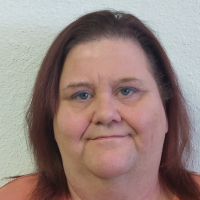
Stephanie Collins
LCSW
Wisconsin - 10 yrs exp















Understanding cancer and its emotional impact
Cancer refers to a range of conditions in which cells grow in an uncontrolled way. Beyond the physical effects of diagnosis and treatment, the experience often touches every part of life - work, relationships, daily routines, self-image, and plans for the future. The emotional response to cancer can include fear, sadness, anger, uncertainty, and a shifting sense of identity. People living with cancer, survivors who have completed treatment, and family members or caregivers all may face distinct psychological strains that can benefit from therapeutic support.
When therapy can help
You might consider therapy if emotional distress is interfering with daily life, treatment adherence, or relationships. Signs that you could benefit from working with a therapist include persistent anxiety about medical appointments or recurrence, prolonged low mood, difficulty sleeping or eating, avoidance of previously meaningful activities, mounting conflicts with loved ones, or trouble making decisions about care. Caregivers may find themselves overwhelmed by caregiving demands, grief, or burnout. Therapy can also be useful when existential or spiritual questions arise, or when you want help processing loss, including changes to your body, roles, and future expectations.
What to expect in cancer-focused therapy sessions
A first session typically involves an assessment of your current concerns, medical history as it relates to your psychological needs, and your goals for therapy. Your therapist will ask about symptoms, coping patterns, support networks, and practical needs such as transportation, work, or financial stress. After that initial overview, sessions generally follow a collaborative plan that may combine supportive conversations with concrete coping strategies. You can expect space to discuss emotions tied to diagnosis, treatment side effects, and life changes, along with time to learn stress-management techniques, improve communication with family and care teams, and develop routines that help you conserve energy and maintain well-being.
Session format and length
Sessions most often last 45 to 60 minutes and are scheduled weekly or biweekly, depending on your needs and treatment timetable. Some clinicians offer shorter check-in sessions during particularly intense medical periods. Therapists who work with cancer often coordinate with your medical providers when appropriate, and may suggest involving family members or partners in some sessions to support relationship communication and shared decision-making. If you are undergoing active treatment, scheduling flexibility can make it easier to attend therapy around appointments and energy levels.
Common therapeutic approaches for people affected by cancer
Therapists draw from a range of approaches to meet the emotional and practical needs that arise in the context of cancer. Cognitive-behavioral therapy, or CBT, helps you identify and shift unhelpful thought patterns that contribute to anxiety and low mood, and teaches behavioral strategies for coping with worry and fatigue. Acceptance and commitment approaches emphasize living in alignment with personal values even while facing difficult emotions, and can be helpful for managing uncertainty and loss of control. Meaning-centered and existential therapies focus on issues of purpose, legacy, and identity, which often become prominent after a diagnosis.
Supportive psychotherapy offers a space to process feelings, build resilience, and receive validation while practical problem-solving is integrated. Mindfulness-based approaches help you build skills to manage distress in the moment, reduce physiological arousal, and improve concentration during and after treatment. For trauma-related reactions stemming from medical procedures or past experiences, trauma-focused therapies may be recommended. Couples and family therapy approaches address relationship strain, role shifts, and communication about care and prognosis.
How online therapy works for cancer support
Online therapy allows you to connect with clinicians by video call, phone, or text-based messaging from home, a clinic waiting area, or another comfortable environment. This can be especially helpful when treatment schedules, immune system concerns, fatigue, or geographic distance make in-person visits difficult. Many therapists are experienced in adapting interventions for virtual formats, guiding relaxation or mindfulness practices over video, and offering symptom-management coaching between sessions. Online sessions can support continuity during long treatment courses and make it easier to involve family members who live apart.
Before starting online therapy, you will typically receive information about session logistics, consent, and what to do in a mental health crisis. It is important to confirm how the clinician handles emergencies and whether they can coordinate with local resources if you need immediate in-person help. Good technical preparation - testing your device, finding a quiet spot, and planning for breaks - helps make sessions more effective. Keep in mind that some therapists may offer a mix of in-person and online appointments depending on availability and your clinical needs.
Choosing the right therapist for cancer-related concerns
When you begin searching for a therapist, look for clinicians who list oncology, chronic illness, or cancer-related experience in their profiles. Education and licensure matter, so check credentials and any specialized training in medical psychology, palliative care counseling, or trauma-informed care. Consider the therapeutic approaches that resonate with you - whether you want someone to focus on symptom management through CBT, explore meaning and spiritual concerns, or involve partners and family in treatment. Experience with medical systems and familiarity with common treatment side effects can make a therapist better able to address the practical challenges you face.
Accessibility factors are also important. Ask about appointment flexibility, options for online sessions, fee structures, and whether the therapist accepts your insurance or offers sliding scale fees. An initial consultation call can help you assess rapport, the clinician's style, and whether they have experience working with issues similar to yours. Trust your instincts - a good therapeutic fit often depends on feeling heard and respected. If one provider does not feel right, it is acceptable to try another; finding the right match can make a meaningful difference in your experience.
Practical considerations and next steps
Before your first session, it can help to make a short list of the concerns you want to address, recent medical updates, and a few goals for therapy. Share any medications, ongoing treatments, and provider contacts so your therapist can better understand your context. If caregiving responsibilities or mobility limitations are barriers, discuss alternative session formats or shorter appointments. Remember that therapy is one element of supportive care - many people benefit from combining psychological support with peer groups, social services, and rehabilitation or palliative resources when needed.
Finding a therapist who understands the unique emotional landscape of living with cancer can provide valuable tools, emotional relief, and practical guidance as you navigate treatment and recovery. Use the listings above to review profiles, ask targeted questions during consultations, and choose a clinician who aligns with your needs and preferences. Reaching out for support is a practical step toward improving day-to-day functioning and coping while facing uncertain and challenging times.
Find Cancer Therapists by State
Alabama
16 therapists
Alaska
2 therapists
Arizona
28 therapists
Arkansas
8 therapists
Australia
74 therapists
California
193 therapists
Colorado
37 therapists
Connecticut
8 therapists
Delaware
7 therapists
District of Columbia
4 therapists
Florida
186 therapists
Georgia
61 therapists
Hawaii
7 therapists
Idaho
16 therapists
Illinois
67 therapists
Indiana
28 therapists
Iowa
9 therapists
Kansas
15 therapists
Kentucky
15 therapists
Louisiana
36 therapists
Maine
8 therapists
Maryland
19 therapists
Massachusetts
19 therapists
Michigan
77 therapists
Minnesota
31 therapists
Mississippi
14 therapists
Missouri
45 therapists
Montana
16 therapists
Nebraska
15 therapists
Nevada
8 therapists
New Hampshire
6 therapists
New Jersey
43 therapists
New Mexico
12 therapists
New York
79 therapists
North Carolina
55 therapists
North Dakota
1 therapist
Ohio
34 therapists
Oklahoma
23 therapists
Oregon
22 therapists
Pennsylvania
50 therapists
Rhode Island
3 therapists
South Carolina
32 therapists
South Dakota
3 therapists
Tennessee
33 therapists
Texas
144 therapists
United Kingdom
1027 therapists
Utah
20 therapists
Vermont
1 therapist
Virginia
23 therapists
Washington
27 therapists
West Virginia
5 therapists
Wisconsin
33 therapists
Wyoming
6 therapists