Find a Black Therapist
Explore our directory of Black Therapist professionals offering culturally attuned mental health support. Each listing includes clinician backgrounds, specialties, and locations to help you find the right fit. Browse the listings below to compare profiles and contact therapists who match your needs.





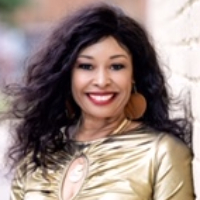
LaShica Hemingway
LCMHC
North Carolina - 12 yrs exp








What a Black Therapist is and why it matters
When you search for a Black Therapist you are looking for clinicians who bring cultural knowledge, lived experience, or a focus on issues that commonly affect Black communities. This specialty often centers on the intersections of race, identity, community, and mental health. For many people, having a therapist who understands cultural context - language, family dynamics, faith traditions, and historical stressors - makes it easier to talk about painful experiences and to build meaningful goals for change.
The presence of systemic racism, microaggressions, and community loss can shape how stress and anxiety show up in daily life. A Black Therapist can help you place those experiences within a broader context while also attending to the everyday concerns that led you to seek help - whether that is relationship strain, career transitions, grief, or symptoms of anxiety and low mood. You do not have to minimize the impact of racial stress to get the support you need; a culturally aware clinician will invite those conversations and treat them as central to care.
Signs you might benefit from seeing a Black Therapist
You might consider a Black Therapist if you feel misunderstood in other treatment settings, if race or identity frequently emerges in your worries, or if experiences of discrimination are affecting your mood, relationships, or work. You may be seeking a clinician who can validate experiences of microaggressions, navigate conversations about colorism or multigenerational trauma, or collaborate with you on strategies for coping with stress tied to racial dynamics. If you notice persistent sleep disruption, avoidance of social situations, difficulty concentrating, or repeated conflict that seems linked to identity-related stress, therapy can help you develop practical tools and emotional support.
People also seek a Black Therapist because they want role models, shared cultural references, or therapeutic styles that honor spiritual and familial values. Even if you are comfortable talking about race with any clinician, you might prefer the nuances that a Black Therapist brings - from communication style to shared cultural frames - which can make therapy feel more immediately relevant and less like a translation exercise.
What to expect in sessions focused on racial and cultural concerns
In early sessions you can expect a focus on building rapport and understanding your life story. A skilled clinician will ask about family background, identity development, community ties, and the specific challenges that brought you to therapy. You should hear questions about how race and culture show up in your relationships, work, and self-image, and the therapist will invite you to describe what feels most pressing right now.
Therapy often involves both exploration and skill building. You will spend time naming patterns that cause pain and practicing ways to respond differently. Sessions may include discussion of coping strategies for encounters with bias, development of boundaries for emotionally draining interactions, or work on problem-solving for stressors like workplace discrimination. You and your therapist will agree on goals - these may be emotional, behavioral, or practical - and review progress as you go. The pace will reflect your comfort level and the complexity of the issues you bring.
Working with cultural identity and community
Exploring cultural identity is a common thread in this work. You may process experiences of pride and resilience alongside grief and anger about injustice. Therapy can support you in integrating multiple aspects of identity - such as ethnicity, gender, sexual orientation, and migration history - into a coherent sense of self. It can also help you weigh the role of family expectations, community norms, and spiritual practices in your healing.
Common therapeutic approaches you might encounter
Therapists who specialize in this area draw from established approaches while adapting them to cultural context. Cognitive behavioral techniques that help you identify and shift unhelpful thoughts are often paired with attention to race-related triggers and realistic coping plans for microaggressions. Trauma-informed therapies focus on building safety and regulating the nervous system after experiences of threat or ongoing stress. Narrative approaches invite you to tell your story in ways that honor resilience and reclaim meaning from hardship.
Some clinicians incorporate somatic work, which helps you notice how stress shows up in the body, and integrate mindfulness practices that are adapted to your preferences and cultural values. Family and group therapies may be used when community dynamics play a central role. You should expect your therapist to explain the methods they use and to tailor interventions to your goals rather than applying a one-size-fits-all model.
How online therapy works for this specialty
Online therapy makes it easier to access a wider range of clinicians, including Black Therapist professionals who may not be near you geographically. You can connect by video, phone, or text-based messaging depending on what the clinician offers. Sessions follow many of the same rhythms as in-person therapy - you will set goals, review progress, and work on strategies between sessions - but online formats add flexibility for scheduling and reduce commuting time.
When you choose online care, check how the therapist handles intake, how they conduct informed consent, and what steps they take to protect your privacy. Ask about licensure and whether they are authorized to provide services in your state or region, since regulations vary by location. You may want to confirm how the clinician approaches crises when you are not in the same area and what local resources they recommend for immediate help. Many people find that the convenience of online sessions encourages consistency and lowers the barrier to getting started.
Tips for choosing the right Black Therapist for you
Start by clarifying what matters most - whether that is shared cultural background, experience with specific issues like racial trauma, therapeutic style, or practical factors such as cost and availability. Read clinician profiles to learn about training, areas of focus, and preferred approaches. When you contact a therapist for an initial conversation, use that time to ask how they integrate culture into their work, how they approach experiences of discrimination, and what outcomes they typically help clients achieve.
Trust your impressions. You should feel heard and respected from the first interactions. If a therapist's style or focus does not feel like a match, it is reasonable to try a different clinician. Consider logistics - whether they offer evening sessions, sliding scale fees, or insurance billing - and whether you prefer in-person meetings or online care. Remember that therapy is a collaborative process; the right match can accelerate change, but it also takes time and commitment on your part.
Making the most of therapy
Prepare for sessions by noting what you want to discuss and what small changes you hope to make between visits. Be open about cultural factors that matter to you, including spiritual beliefs, family roles, and community ties. If you encounter obstacles - such as difficulty finding a good match or uncertainty about progress - bring those concerns into the room so you and your therapist can adjust the plan. Over time you should notice clearer decision making, better coping strategies for stressors tied to identity, and a stronger capacity to name and protect your needs within relationships.
Seeking a Black Therapist is often a step toward care that honors your whole experience. Whether you want to process the impact of discrimination, strengthen community connections, or build daily coping skills, a culturally attuned clinician can work with you to create meaningful change. Use the listings above to explore profiles, ask questions, and find a therapist who fits the person you are and the goals you have for your life.
Find Black Therapist Therapists by State
Alabama
84 therapists
Alaska
11 therapists
Arizona
43 therapists
Arkansas
23 therapists
Australia
128 therapists
California
860 therapists
Colorado
43 therapists
Connecticut
29 therapists
Delaware
19 therapists
District of Columbia
30 therapists
Florida
429 therapists
Georgia
380 therapists
Hawaii
26 therapists
Idaho
5 therapists
Illinois
163 therapists
Indiana
46 therapists
Iowa
6 therapists
Kansas
17 therapists
Kentucky
22 therapists
Louisiana
136 therapists
Maine
6 therapists
Maryland
122 therapists
Massachusetts
33 therapists
Michigan
163 therapists
Minnesota
32 therapists
Mississippi
81 therapists
Missouri
69 therapists
Montana
2 therapists
Nebraska
10 therapists
Nevada
36 therapists
New Hampshire
3 therapists
New Jersey
113 therapists
New Mexico
21 therapists
New York
275 therapists
North Carolina
243 therapists
North Dakota
1 therapist
Ohio
73 therapists
Oklahoma
49 therapists
Oregon
16 therapists
Pennsylvania
70 therapists
Rhode Island
4 therapists
South Carolina
132 therapists
South Dakota
2 therapists
Tennessee
70 therapists
Texas
530 therapists
United Kingdom
772 therapists
Utah
19 therapists
Vermont
1 therapist
Virginia
107 therapists
Washington
49 therapists
West Virginia
2 therapists
Wisconsin
49 therapists
Wyoming
3 therapists