Find a Foster Care Therapist in Wyoming
This page features therapists who specialize in foster care services across Wyoming, supporting children, teens, foster parents, and care teams. Browse the listings below to review clinician profiles, areas of focus, and contact options in cities like Cheyenne and Casper.

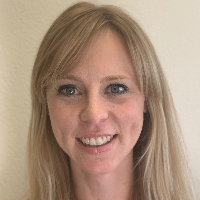

Phyllis Lambert
LPC
Wyoming - 24 yrs exp







How foster care therapy works for Wyoming residents
Foster care therapy is focused on helping children and families navigate the unique stresses that come with foster placements, reunification efforts, and transitions between homes. In Wyoming, services are provided in a variety of settings - clinic offices, community centers, schools, and through online sessions - so you can choose the format that fits your schedule and transportation needs. Therapy typically begins with an intake session to learn about the child’s history, current placement, behavioral concerns, and any court or agency expectations. From there a clinician will recommend a plan of care that may include individual therapy, family sessions, parent coaching for foster caregivers, and collaboration with caseworkers or schools when appropriate.
Finding specialized help for foster care in Wyoming
When you look for a therapist who understands foster care, you are seeking someone with experience in trauma-informed methods, attachment work, and the child welfare system. Many clinicians in Wyoming have training in evidence-informed approaches for children who have experienced disruptions, loss, or developmental stress. If you live near Cheyenne or Casper you may find clinicians who also provide in-person visits, while smaller communities might rely more on telehealth options to connect you with specialist skill sets. Ask prospective therapists about their experience with foster placements, familiarity with state child welfare procedures, and how they coordinate with legal or agency requirements when documentation or court reports are needed.
Working with foster parents and care teams
Therapy is rarely only about the child; it often involves supporting caregivers so they can manage behaviors and build stable routines. A therapist who works with foster families will typically offer coaching on setting age-appropriate boundaries, managing outbursts, and responding to trauma-related triggers. You can expect guidance that is practical and tailored to the child’s developmental stage. In cities such as Laramie or Gillette, clinicians may also connect you with local support resources, support groups, or training for foster parents that complement direct therapy.
What to expect from online therapy for foster care
Online sessions have become a common option across Wyoming, allowing you to access specialty clinicians without long travel. When you consider virtual therapy, find out whether the clinician is licensed to practice in Wyoming and how they handle appointments, documentation, and any required communication with caseworkers or schools. During an online session you can expect many of the same therapeutic approaches used in person, adapted to a screen - play-based interventions for younger children, talk therapy and coping strategies for older youth, and coaching for foster parents. You should also discuss logistics up front - how to schedule sessions, what to do about missed appointments, and how the therapist prefers to share progress notes or reports if they are needed for agency reviews.
Benefits and practical considerations
Online therapy can increase access to clinicians who specialize in foster care, especially for families outside major population centers. It can reduce travel time to Cheyenne or Casper and make it easier to maintain continuity when placement moves occur. On the other hand you will want to ensure a stable internet connection and a setting at home where the child can engage with the clinician with minimal interruption. If a youth is very young or has limited attention, some clinicians will recommend a blended plan that combines occasional in-person visits with virtual check-ins to balance engagement and convenience.
Common signs someone in Wyoming might benefit from foster care therapy
Children and teens in foster care may show a range of reactions to loss, separation, or frequent changes in caregiving. You might notice sudden shifts in behavior, such as increased aggression, withdrawal from familiar activities, sleep difficulties, or regression in skills like toileting or language. Emotional signs can include heightened anxiety around transitions, persistent sadness, or difficulty trusting caregivers. For foster parents, ongoing challenges managing severe behavior, feeling overwhelmed, or needing help navigating school or agency interactions are valid reasons to seek specialized support. If school performance declines in Casper, Laramie, or elsewhere in Wyoming, or if placement stability is at risk because of behavioral concerns, therapy can be an important tool to address underlying needs and strengthen the caregiving environment.
Tips for choosing the right therapist for foster care in Wyoming
Choosing the right therapist means finding someone whose experience, approach, and communication style match your needs. Start by looking for clinicians who highlight foster care, trauma-informed care, attachment-based methods, or experience with child welfare systems on their profiles. You can also ask about typical treatment approaches and how progress is measured. It is reasonable to inquire how the therapist communicates with schools and caseworkers, and whether they will provide reports or attend meetings when necessary. Consider whether you prefer a clinician who works primarily with children, or one who places equal emphasis on caregiver coaching and family sessions. If you live in a more rural area of Wyoming, ask about the frequency of in-person visits versus online sessions and how the therapist manages crises or urgent concerns outside of scheduled appointments.
Questions to ask in an initial conversation
When you contact a therapist, a brief introductory call can reveal a lot. Ask about their experience with foster care and trauma, how they integrate caregivers into treatment, and what a typical session looks like for a child of your child’s age. You may also ask about logistics - scheduling, fees, insurance or state funding options, and whether they accept referrals from child welfare agencies. If coordination with schools or legal entities is likely, clarify how the therapist documents progress and whether they have experience preparing reports for hearings or case plans. A good match is one where you feel heard and where the clinician can translate therapeutic goals into practical steps for the household and school settings.
Getting support across Wyoming’s communities
Access to foster care therapy can look different depending on where you live. In and around urban centers like Cheyenne and Casper you may find a wider range of specialties and more opportunities for in-person work. In smaller towns, teletherapy can bridge gaps and connect you with clinicians who have deep experience in foster care issues. Wherever you are in Wyoming, you can expect effective therapy to include attention to safety, routine, attachment and coping skills, and coordination with other adults in the child’s life. Building a partnership with a therapist is often a gradual process, and the first step is reaching out to ask questions and compare options so you can choose a clinician who fits your family’s needs.
Next steps
If you are ready to move forward, review the therapist listings above to identify clinicians whose descriptions match your priorities - whether that is experience with younger children, foster parent coaching, or trauma-focused therapies. Reach out for a preliminary conversation to discuss availability, approach, and how they have helped families navigate similar challenges. With the right match, therapy can offer practical strategies and supportive collaboration to help children and caregivers manage transitions and build more stable relationships across Wyoming communities.