Find an Adoption Therapist in Wyoming
This page lists adoption therapists serving Wyoming, including clinicians who work with adoptive parents, adoptees, and families across the state. Browse the profiles below to compare specialties, approaches, and availability in Cheyenne, Casper, Laramie and nearby communities.
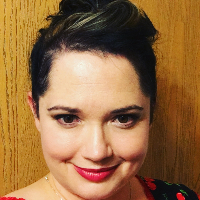
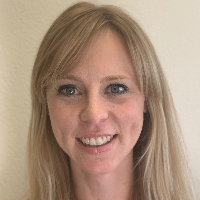

Phyllis Lambert
LPC
Wyoming - 24 yrs exp







How adoption therapy typically works for Wyoming residents
Adoption therapy is a collaborative process that helps individuals and families navigate the emotional, relational, and identity-related challenges that can accompany adoption. When you start working with a therapist in Wyoming, you can expect an initial intake conversation where the clinician gathers background information about the adoption history, family structure, and current concerns. That assessment period is used to create a treatment plan that may focus on attachment, grief and loss, identity development, parenting strategies, trauma-informed care, or transitions related to school, custody, or legal changes.
Because Wyoming blends wide open spaces with small communities, therapists often tailor care to fit your circumstances. In larger towns like Cheyenne and Casper you may find clinicians who specialize in particular models of therapy for adoption-related issues, while in smaller communities you may work with generalists who have strong cross-disciplinary experience. Many therapists mix individual work with family sessions to address patterns of interaction and communication that affect both caregivers and adoptees.
Finding specialized help for adoption in Wyoming
When you are searching for a therapist who understands adoption, look for clinicians who explicitly note experience with adoption-related concerns, attachment-focused approaches, or trauma-informed practice. You can learn a lot from a therapist's profile and by asking questions during a brief phone or video consultation. Ask about experience with infant and international adoption, foster-to-adopt transitions, open adoption arrangements, or adoption experienced later in life. If cultural identity, race, or LGBTQ issues are relevant to your adoption story, prioritize therapists who highlight cultural competency and inclusive practice.
Keep in mind that geography matters in Wyoming. If you live in or near Cheyenne, Casper, Laramie, or Gillette you may have more options for in-person appointments. If you live in a rural area or prefer more flexible scheduling, online sessions can widen the pool of clinicians available to you. You should also consider whether you want a therapist who works closely with schools, pediatricians, or adoption agencies in your region, since local coordination can be important for managing transitions and supports.
What to expect from online adoption therapy
Online therapy can be an effective way to access adoption-focused clinicians who are not located near you. When you choose virtual sessions, expect a process similar to in-person care: an intake, assessment, goal setting, and regular check-ins to review progress. Sessions typically occur over video and can allow you and your family to meet from the places where you are most comfortable, whether that is a home office, a quiet room, or another personal setting.
To get the most from online therapy, prepare a reliable internet connection and a device with a camera and microphone. Create an environment that allows for focused conversation and minimal interruptions, and talk with your therapist about how to handle moments when privacy is limited at home. Many clinicians will offer guidance about how to integrate online sessions with in-person supports in your community, such as school counselors or pediatric services, and will help you set achievable goals for both short-term concerns and longer-term relational work.
Benefits and limits of remote care
Remote therapy increases access to specialized providers and can help you maintain consistent appointments when travel or scheduling are barriers. It can also make it easier to include family members who live apart. At the same time, some interventions and assessments may work differently online, and certain hands-on or community-based supports will require local coordination. Your therapist will help you weigh the best combination of online and in-person options for your needs.
Common signs that someone in Wyoming might benefit from adoption therapy
You might consider adoption therapy if you notice persistent feelings related to loss or grief around adoption, difficulty building a sense of belonging, repeated behavioral challenges in a child that seem connected to attachment, or ongoing questions about identity and origin. Parents often seek support when parenting strategies are not producing the outcomes they hoped for, when relationships feel strained, or when transitions such as school changes, reunification contact, or new caregivers trigger strong reactions.
Adoptees themselves may come to therapy with questions about their history, difficulty trusting caregivers, mood or anxiety symptoms, or identity concerns as they grow into adolescence and adulthood. Birth parents and extended family members sometimes seek therapy to process the emotional complexities of openness agreements, reunions, or the grief that adoption can bring. If you notice worrying patterns at school, changes in sleep or appetite, or a sense that family communications are stuck, therapy can provide a space to explore these issues with professional support.
Tips for choosing the right adoption therapist in Wyoming
Begin by clarifying what you want from therapy - whether you are seeking support for a child, couples counseling for adoptive parents, or individual work to address identity and attachment. Look for therapists who list adoption, attachment, trauma-informed methods, or family systems as part of their expertise. When you contact a clinician, ask about their experience with cases similar to yours, the therapeutic approaches they use, how they involve parents or schools, and what a typical treatment timeline might look like.
It is reasonable to ask about practical matters as well. Inquire about session length and frequency, payment options, and whether the therapist accepts your insurance or offers a sliding scale. If you prefer in-person care, ask where the clinician practices and whether they have experience collaborating with local providers in Cheyenne, Casper, Laramie, or other Wyoming towns. If you are considering online therapy, ask about their telehealth process and how they maintain professional standards in a remote format.
Preparing for your first sessions and what comes next
Your first sessions will often be exploratory. You and the therapist will review the history of the adoption, current strengths and stressors, and immediate concerns. Together you will set goals and outline a plan for the coming weeks. If children are involved, therapists often incorporate play-based techniques or parent coaching to help shift everyday interactions. For older children and adults, narrative and identity-focused work may be central.
Therapy timelines vary depending on the issues you address and the goals you set. Some families find relief and practical tools after a few months of focused sessions, while deeper relational or identity work may continue longer. Regular check-ins will help you and your therapist adjust the plan as progress is made or new challenges arise.
Finding supportive community resources in Wyoming
Beyond individual therapy, community resources can complement your work. Support groups, school-based services, and adoption-focused workshops can provide connection and practical guidance. Larger cities like Cheyenne and Casper sometimes host workshops or family events that focus on adoption and attachment, while smaller communities may have local networks or regional gatherings. Your therapist can often point you toward groups, legal resources, or educational supports that fit your family’s needs.
If you are unsure where to begin, a short consultation with a therapist can clarify next steps and help you decide whether individual therapy, family sessions, or a combination of supports is best. Reaching out is a practical first step toward navigating adoption-related challenges in a way that respects your history and strengthens your relationships across the lifespan.