Find an Addictions Therapist in Wyoming
This page features therapists who specialize in addictions and who serve people across Wyoming. You can review clinician profiles to learn about their approaches, credentials, and availability. Browse the listings below to begin connecting with an addictions therapist who meets your needs.




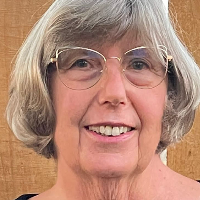
Phyllis Lambert
LPC
Wyoming - 24 yrs exp














How addictions therapy works for Wyoming residents
When you begin addictions therapy in Wyoming you will typically start with an assessment that explores your substance use history, mental health, physical health, and social supports. That assessment forms the basis of a treatment plan tailored to your goals - whether you are seeking to reduce use, pursue abstinence, repair relationships, or manage cravings and triggers. Therapy often blends behavioral strategies, skill-building, and coordination with medical providers when medications or medical monitoring are needed. Because Wyoming has large rural areas, many therapists combine in-person sessions in places like Cheyenne or Casper with remote appointments to maintain continuity of care between visits.
Initial assessment and ongoing care
The initial session is an opportunity to set expectations and identify priorities. A therapist may ask about your substance use patterns, mental health symptoms, sleep, work or school impact, family dynamics, and any legal or medical concerns. From there you and your therapist create a plan that includes session frequency, goals, and methods for measuring progress. Over time you will revisit the plan to adjust strategies, add family involvement if appropriate, and connect with support services in the community such as outpatient programs, peer-run groups, or medical clinics offering medication support.
Common therapy approaches
Evidence-informed approaches are commonly used in addictions therapy. Cognitive behavioral therapy helps you identify unhelpful thought patterns and develop coping skills. Motivational interviewing supports your readiness for change and helps resolve ambivalence. Relapse prevention planning teaches you to anticipate and manage high-risk situations. Family or couples therapy can address relationship strains and build support systems. Group therapy offers peer support and opportunities to practice coping skills in a communal setting. Your therapist will explain how these methods can apply to your situation and work with you to select the right mix.
Finding specialized help for addictions in Wyoming
Finding the right specialist means looking for clinicians who have specific experience with the substances or behaviors that concern you - for example alcohol, prescription medications, stimulants, or gambling. You can search for therapists who list addictions or substance use as a focus and who note experience with particular therapies or populations. Reach out to clinics in larger cities such as Cheyenne, Casper, and Laramie where you may find a wider range of specialists and integrated services. If you live in a smaller community or in a rural area like parts of Sweetwater County or near Gillette, telehealth options can bridge distance while local health centers can support medical aspects of care.
Insurance coverage, sliding scale fees, and community resources vary across the state, so it helps to ask about payment options when you contact a clinician. Some providers work closely with rehabilitation programs, outpatient clinics, and primary care practices to ensure that counseling is coordinated with medical treatment when needed. If you are seeking care for a loved one, inquire about family involvement and ways to support both the person using substances and their family system.
What to expect from online therapy for addictions
Online therapy can be a practical option in Wyoming where travel times between communities are long. Virtual sessions are typically conducted by video or phone and can mirror many elements of in-person therapy - assessment, skill-building, relapse prevention, and check-ins. You should expect an initial discussion about how online sessions will work, technology requirements, and how emergencies or crises will be handled when you are not in the clinician's office. Many therapists will coordinate with local services, such as medical providers or crisis teams, to support you if a situation requires in-person attention.
Online therapy also offers flexibility in scheduling, which may be especially helpful if you travel for work or live far from urban centers. When you choose online care, consider whether you prefer video visits or phone calls, whether your internet connection is reliable, and where you will participate so the session is uninterrupted. Therapists can often combine telehealth and occasional in-person meetings to create a hybrid plan that fits your life and the realities of living in Wyoming.
Common signs you or someone you know might benefit from addictions therapy
There are a range of signs that suggest a person may benefit from professional help for substance use or behavioral addictions. You might notice worsening relationships with family members, difficulties at work or school, increased isolation, or legal troubles related to use. Changes in sleep, appetite, mood, or a pattern of using to cope with stress or painful emotions can also signal that support would be helpful. Physical signs such as frequent illness, missed medical appointments, or withdrawal symptoms when not using warrant prompt attention. If you are worried about someone in Cheyenne, Casper, Laramie or any Wyoming community, reaching out sooner can make it easier to access services and prevent problems from escalating.
Tips for choosing the right addictions therapist in Wyoming
Choosing the right therapist is a personal decision and it often helps to prioritize fit as much as credentials. Look for clinicians who list addictions or substance use as a specialty and who describe their therapeutic approaches in clear terms. Ask about their experience with the particular substance or behavior you are concerned about and whether they have worked with people from your background or life stage. If you have co-occurring mental health concerns such as anxiety or depression, find a clinician who treats both areas or who coordinates care with other providers.
Practical factors also matter. Consider session availability that matches your schedule, whether the clinician offers online appointments, and how they handle communication between sessions. Ask about payment options, whether they accept your insurance, and whether sliding scale fees are available. In rural areas, confirm whether the therapist can help connect you with local medical resources or support groups in towns such as Casper or Laramie when additional services are needed.
Questions to ask during an initial contact
When you contact a potential therapist you might ask how they typically work with people with addictions, what evidence-based approaches they use, how they involve family members when appropriate, and how they coordinate with medical providers if medication support is part of treatment. It is reasonable to ask about their experience with crises and what steps they take to ensure continuity of care if you need urgent help outside of sessions. You should also ask about session length, expected treatment duration, and the outcomes they typically see with clients who have similar concerns.
Trust your instincts after a first session. You should feel heard and understood and you should have a clear sense of the treatment plan and next steps. It is normal to try more than one therapist before finding the best match.
Next steps and local considerations
Begin by reviewing therapist profiles on this page and narrow your options by specialty, approach, and availability. If you live near Cheyenne, Casper, or Laramie you may find more options for in-person care, while telehealth can extend access throughout the state. If transportation or scheduling is a barrier, look for clinicians who offer evening or weekend sessions or who provide a combination of virtual and in-person care. For urgent needs, identify local crisis lines and emergency services in your area so you know how to get help quickly.
Getting help for addictions is a step toward greater control over your life and relationships. Whether you are seeking support for yourself or for someone you care about, finding a therapist who matches your needs and values is a practical way to begin. Use the listings above to connect with professionals who serve Wyoming communities and take a first step toward meaningful change.