Find an Abandonment Therapist in Wyoming
This page highlights therapists who focus on abandonment-related concerns in Wyoming. You can browse practitioner profiles, explore approaches, and find options that fit your location and needs.
Use the listings below to compare specialties, treatment styles, and availability before reaching out to schedule an initial consultation.
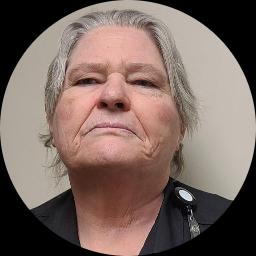




Phyllis Lambert
LPC
Wyoming - 24 yrs exp














How abandonment therapy typically works for Wyoming residents
If you are considering abandonment therapy in Wyoming, you will find that most therapists begin with a clear assessment of your history and current concerns. That assessment usually explores early attachment experiences, recent relationship losses, patterns of trust and avoidance, and how these themes show up in day-to-day life. From that foundation, a therapist and you will develop goals - whether you want to reduce anxiety around relationships, change reactive behaviors, build steadier connections, or process a traumatic separation.
Therapists who specialize in abandonment often draw from attachment-based therapies, trauma-informed approaches, cognitive-behavioral techniques, and emotion-focused work. Sessions aim to help you recognize the narratives that developed around early loss, identify triggers in current relationships, and practice new ways of relating. Because Wyoming includes both larger towns and rural areas, many practitioners adapt session frequency and format to fit your schedule and travel needs, and may combine in-person meetings with remote sessions when it helps keep momentum in therapy.
Assessment and treatment approach
Your first few meetings will usually center on building rapport and mapping your experience. You can expect a therapist to ask about family history, significant relationship events, prior therapy, and current symptoms such as avoidance, clinginess, or sudden withdrawal. That intake conversation is also a chance for you to ask about the therapist's experience with abandonment issues, their theoretical orientation, and how they measure progress. Together you will decide whether to focus on symptom relief, relational skill building, processing past trauma, or a combination of those aims.
Finding specialized help for abandonment in Wyoming
Finding someone with experience in abandonment can feel overwhelming, especially if you live outside the state’s more populated areas. Start by searching for clinicians who list attachment, grief, trauma, or relationship issues among their specialties. You may find practitioners based in Cheyenne, Casper, Laramie, or nearby communities who offer expertise specific to abandonment-related concerns. When you review profiles, look for descriptions of their training, years of practice, and client populations. Many therapists also indicate whether they have experience helping people heal after reunions, divorce, foster care separations, or childhood neglect - situations that commonly relate to abandonment patterns.
In Wyoming, some clinicians maintain full schedules in-office while others provide flexible appointment times to accommodate work in agricultural, educational, or energy sector shifts. If you live in a rural area, you can search for therapists in larger cities and ask about remote sessions for some appointments. Local support networks and community mental health centers can also be resources for finding referrals or lower-cost options if cost is a concern.
Local considerations
Wyoming's geography and community size can shape how you approach therapy. If you live in a small town, you may prefer a therapist in a neighboring city for greater anonymity, or you may value the ease of local care. Cities such as Cheyenne and Casper tend to offer more providers and varied specialties, while Laramie can be a good option if you want someone familiar with issues common among students and academic communities. Wherever you are, ask about scheduling flexibility, parking or transit access, and the therapist's approach to blending short-term symptom relief with deeper relational work.
What to expect from online therapy for abandonment
If you choose online or video therapy, you can expect many of the same therapeutic processes as in-person care, though certain dynamics will shift. Online sessions can make it easier to maintain continuity when life gets busy or when travel between towns is impractical. Through video work you can practice new relational skills in real time and receive feedback on reactions that arise in session. Many clients find they can open up more quickly from the familiarity of their own home, while others may need a bit more time to feel comfortable sharing sensitive material through a screen.
When you start online therapy, your therapist should review practical matters like appointment format, how to handle missed sessions, and what to do in case of a crisis. They should also explain how they protect your privacy and what to expect in terms of communication outside sessions. If you are balancing work and therapy, ask about evening or early morning appointments. Online care can also expand your choices by connecting you with specialists who are not physically in Wyoming but are licensed to work with clients in your state.
Technology and privacy
Before your first online appointment you will want to test your device, internet connection, and chosen video platform. Find a comfortable, quiet area where you can speak without interruption and where you feel emotionally safe. If you are living with family or roommates, consider strategies for maintaining your privacy during sessions, such as using headphones, scheduling sessions when others are out, or creating a brief signal to indicate you are occupied. Your therapist can help you brainstorm solutions that fit your living situation.
Common signs that someone in Wyoming might benefit from abandonment therapy
You might consider abandonment therapy if you notice patterns that repeat across relationships, such as intense fear of being left, difficulty trusting partners, or alternating between clinging and pushing others away. You may experience heightened anxiety around rejection, interpret neutral events as abandonment, or struggle to maintain stable connections. Some people find that a history of early separation, frequent moves, foster care involvement, or abrupt endings in important relationships contributes to ongoing relationship distress. Others reach out after a breakup, divorce, or loss when old wounds resurface in ways that affect work, family life, and parenting.
In Wyoming's close-knit communities you might be more likely to encounter reminders of past separations, which can trigger those patterns. If you find that relationship fears interfere with your ability to form friendships, pursue romantic relationships, or perform at work, that is a strong signal that focused therapeutic work could be helpful. Therapy offers tools to name automatic reactions, build new relational skills, and experiment with different ways of seeking connection that feel more sustainable.
Tips for choosing the right therapist for abandonment work in Wyoming
Selecting a therapist is a personal decision. Start by identifying what matters most to you - such as a provider with attachment-based training, someone who uses trauma-informed methods, or a therapist with experience working with couples or families. Read profiles to get a sense of tone and approach, and then reach out to ask about specific experience with abandonment issues. A brief phone or email exchange can help you gauge responsiveness and whether their style aligns with your preferences.
Consider practical matters such as location, session fees, sliding scale availability, and whether the therapist accepts your insurance. If you are open to online care, ask about cross-jurisdiction licensing and whether the therapist is authorized to work with clients in Wyoming. Trust your instincts during the first few sessions - a good fit is not only about credentials but also about whether you feel heard and understood. If you do not feel progress after a few sessions, it is reasonable to discuss adjustments or seek a different provider.
Working with partners and family
If abandonment issues affect your romantic relationships or family dynamics, you may choose individual therapy, couples work, or a combination. Some therapists can schedule joint sessions to address misunderstandings and practice new communication patterns while continuing individual sessions to process deeper attachment wounds. In communities like Cheyenne, Casper, and Laramie, you may find clinicians who work with both individuals and couples, making it easier to coordinate care when needed.
Next steps
When you are ready to reach out, use the listings above to compare therapist backgrounds and send messages to those who seem like a fit. Prepare a few notes about your goals and any scheduling needs so initial contacts go smoothly. Remember that asking questions about approach, experience, and logistics is part of selecting the right therapeutic partner. With a thoughtful match, you can begin to understand the roots of abandonment patterns and build more reliable ways of relating to others across the unique landscape of Wyoming.