Find a Trauma and Abuse Therapist in Wisconsin
This page lists therapists in Wisconsin who specialize in trauma and abuse recovery. You can browse profiles for clinicians offering in-person and online options across the state.
Scroll through the listings below to compare experience, approaches, and availability so you can find a clinician who fits your needs.
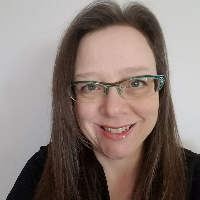
Stephanie Collins
LCSW
Wisconsin - 10 yrs exp




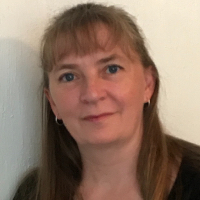
Rebekah Wolff
LPC
Wisconsin - 8 yrs exp


















How trauma and abuse therapy works for Wisconsin residents
If you are considering therapy for trauma or past abuse, it helps to know how the process usually unfolds. Therapy often begins with an initial assessment where you and a clinician discuss your history, current concerns, and immediate goals. From that foundation the therapist will recommend an approach that aligns with evidence-informed practices and your preferences. Sessions may focus on processing distressing memories, developing coping skills, improving emotional regulation, or addressing interpersonal impacts of abuse. Progress is typically gradual - many people notice shifts in symptoms and daily functioning over weeks to months rather than overnight.
Therapists in Wisconsin work in a range of settings including outpatient offices, community clinics, and telehealth. If you live in urban centers like Milwaukee or Madison you may find clinicians with specialized trauma training and experience addressing complex histories. In smaller communities or suburban areas people sometimes combine in-person sessions with online options to maintain continuity of care when schedules or travel make regular appointments difficult.
Finding specialized help for trauma and abuse in Wisconsin
Finding a therapist who understands trauma requires a combination of research and self-reflection. Start by looking for clinicians who list trauma-focused modalities in their profiles, such as trauma-focused cognitive behavioral therapy, EMDR, somatic therapies, or treatments that emphasize safety and grounding. You might also look for clinicians who have experience working with survivors of interpersonal violence, childhood abuse, or other specific types of trauma that match your background. Many therapists indicate populations they work with on their listings, which can help you narrow your search.
Another consideration is accessibility. If you live in Green Bay or other regional centers you may have access to in-person specialists, while residents in more rural parts of Wisconsin may rely more on online appointments. Licensure matters too - therapists licensed in Wisconsin are familiar with state regulations and local resources, including community supports for survivors. When you contact a clinician you can ask about their experience with trauma, the types of interventions they use, and how they coordinate care with other professionals when needed.
What to expect from online therapy for trauma and abuse
Online therapy can be a practical option if you prefer remote sessions or if local options are limited. When you choose online care you should expect the therapist to discuss privacy practices for sessions, offer guidance for creating a comfortable environment at home, and have a plan for moments when you need immediate support between sessions. Video sessions allow many of the same therapeutic techniques used in-person, including talk-based processing, skills training, and guided exercises. Some techniques that involve body-based awareness or experiential work may be adapted to an online format, and your therapist will explain how they modify exercises for your setting.
Technical considerations matter - a stable internet connection and a quiet, uninterrupted place to meet can help sessions feel more effective. If you live in busier households in Milwaukee or have limited options for a quiet room, you can discuss scheduling at times when interruptions are less likely. Online therapy also makes it easier to connect with specialists who are not geographically close, giving you access to clinicians in Madison, Green Bay, or other regions who have specific trauma training that might be hard to find locally.
Common signs you might benefit from trauma and abuse therapy
People seek trauma-focused therapy for many reasons, and symptoms can show up in emotional, physical, and relational ways. You might find that memories or reminders of past events cause intense emotional reactions that feel out of proportion to the present moment. You may notice avoidance - staying away from places, people, or conversations that trigger distress. Sleep difficulties, nightmares, and hypervigilance are common, as are sudden shifts in mood or difficulties concentrating at work or school. Relationship problems can emerge when trust is affected or when patterns formed in response to past abuse influence how you interact with others.
If symptoms interfere with your daily life, work, or relationships you may benefit from trauma-focused care. Even if you are not sure whether your experience qualifies as trauma, a clinician can help you explore how past events relate to current struggles and develop strategies to cope. Seeking help early can reduce the intensity of symptoms over time and provide tools to manage triggers and build resilience.
Tips for choosing the right therapist for this specialty in Wisconsin
Choosing a therapist is a personal decision that often comes down to the relationship you establish as much as the theoretical approach. When reviewing profiles pay attention to how clinicians describe their work with trauma and abuse survivors - look for clarity about methods, typical session structure, and what they prioritize in the therapeutic relationship. You may prefer someone who emphasizes stabilization and skills-building first, while others want a therapist who focuses on deeper memory processing techniques. Consider practical factors like location, availability, and whether they offer evening or weekend appointments if your schedule requires flexibility.
It can help to prepare questions for an initial phone call or consultation - ask about the therapist's experience with similar concerns, how they measure progress, and how they handle crises or referrals to additional supports. If you are considering online therapy ask how they adapt interventions to telehealth and what to do if you need immediate assistance during a session. Trust your impressions - a clinician who listens and responds with empathy and professionalism is more likely to be a good fit even if their stated approach uses unfamiliar terminology.
Working with local supports and resources
Therapy does not exist in isolation. In Wisconsin there are community organizations, advocacy groups, and medical providers that can complement therapeutic work. Your therapist can often help you connect with legal advocates, support groups, or medical practitioners when necessary. If you live near larger cities such as Milwaukee or Madison you may find a broader array of multiagency services, while residents in smaller communities might rely on networks formed through health centers and regional agencies. Asking a clinician about local resources is a practical step to ensure you have a coordinated plan for recovery.
Making the decision to begin
Deciding to start trauma and abuse therapy is an important step toward regaining stability and improving your quality of life. You do not need to have all the answers before you reach out - therapists expect questions and will help you map out next steps. Whether you choose an in-person clinician in your county or an online therapist with specialized training, the key is to find someone who respects your pace, validates your experiences, and partners with you on clear goals. Beginning therapy can feel daunting, but it can also open a path toward greater safety, improved relationships, and more predictable well-being in your daily life.
If you are ready to begin, use the listings above to compare clinician profiles, read about their approaches, and request a consultation. Taking that first step can help you find a therapist who understands trauma and abuse and who can support your recovery journey in Wisconsin.