Find an Emotionally-Focused Therapy (EFT) Therapist in Wisconsin
Emotionally-Focused Therapy (EFT) is an evidence-informed approach that helps individuals and couples explore emotions and attachment patterns to improve relationships and emotional wellbeing. Find trained EFT practitioners across Wisconsin, including Milwaukee, Madison and Green Bay, and browse the listings below to review profiles and contact options.

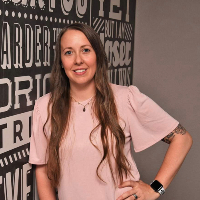
Rebekah Wolff
LPC
Wisconsin - 8 yrs exp


















What Emotionally-Focused Therapy (EFT) Is
Emotionally-Focused Therapy, often called EFT, centers on the idea that emotions and patterns of attachment shape how you relate to others and to yourself. Developed from research on adult attachment and emotion, EFT aims to make underlying feelings more accessible and understandable so that new, healthier interaction patterns can emerge. Rather than focusing only on thoughts or behaviors, EFT guides you through noticing, naming, and responding to emotional experience in ways that create greater connection and relief.
At the heart of EFT is the therapeutic relationship. A therapist trained in EFT works with you to create a supportive, empathic space where difficult feelings can be expressed and processed. The approach is experiential - you will be encouraged to stay with immediate emotional responses, explore their origins, and practice new ways of communicating those needs with partners, family members, or within yourself.
How EFT Is Practiced by Therapists in Wisconsin
In Wisconsin, EFT-trained clinicians work in a range of settings - private practices, community clinics, and counseling centers in urban and regional areas. You can find practitioners offering in-person sessions in cities like Milwaukee, Madison, and Green Bay, and many also provide remote sessions to reach people across the state. Therapists may combine EFT with complementary approaches when appropriate, such as trauma-informed care, family systems perspectives, or skills-based supports, while keeping emotions and attachment as the central focus.
Clinicians in Wisconsin often adapt EFT to local needs and cultural contexts. For example, couples in Milwaukee juggling work and family schedules may prioritize practical communication tools alongside emotion-focused work, while clients in university settings around Madison might pair EFT with campus counseling resources. Wherever you are in the state, a therapist trained in EFT can tailor the pace and focus of sessions to your situation, whether you are seeking to repair a romantic relationship, work through longstanding attachment wounds, or better understand recurring emotional cycles.
Common Issues Addressed with EFT
Emotionally-Focused Therapy is commonly used for relationship distress and recurring patterns of disconnection. Couples often seek EFT when they find themselves stuck in cycles of criticism, withdrawal, or blame, and want to rebuild trust and intimacy. Individual clients come to EFT to explore how early attachment experiences influence current relationships and emotional responses, and to learn new ways of responding when strong feelings arise.
Beyond romantic relationships, therapists use EFT techniques to support people coping with grief, persistent loneliness, and intense emotional reactions that interfere with daily life. While EFT is particularly known for couples work, it is also applied in family therapy and individual therapy when attachment concerns are central. The emphasis is on understanding the emotion beneath the problem and creating new relational experiences that lead to change.
What a Typical Online EFT Session Looks Like
Online EFT sessions follow many of the same steps as in-person work, but with the convenience of connecting from your home or another comfortable setting. A typical session begins with a brief check-in to see how you are feeling and to review any developments since the last meeting. The therapist then invites you to focus on an emotional moment that matters right now - that might be a recent argument, a memory, or a feeling that keeps arising. With gentle guidance, the clinician helps you slow down and notice the physical sensations, words, and images tied to that emotion.
In couples sessions, the therapist may guide an enactment - a structured conversation in which each partner practices expressing a vulnerable emotion while the other practices listening and responding in a validating way. The therapist helps shape the exchange to deepen understanding and shift negative cycles. In individual sessions, you may spend more time exploring internal dialogues and practicing new ways of naming and regulating emotions. Online technology allows many therapists to use screen sharing for resources, record themes for therapy homework, and follow up via text-based messaging as arranged, while encouraging you to be in a quiet, interruption-free spot for the session.
Who Is a Good Candidate for EFT
You may be a good candidate for EFT if you want to work directly with emotions and attachment patterns and are open to experiential techniques that ask you to express vulnerable feelings. Couples who are motivated to change negative interaction cycles, even when emotions feel intense, often find EFT helpful because its structure focuses on identifying and reshaping those cycles. Individuals seeking to better understand how past relationships influence current responses can also benefit from the approach.
EFT requires willingness to engage emotionally and to try new ways of relating, which can feel challenging at times. It is not a quick fix, but many people notice changes in how they relate after several months of focused work. If you are experiencing an immediate crisis or safety concerns, reach out to local emergency resources for immediate support before beginning therapy.
How to Find the Right EFT Therapist in Wisconsin
Start by looking for therapists who list EFT training or certification on their profiles. This indicates specific training in the model and familiarity with the experiential techniques that characterize the approach. Consider whether you need a clinician who specializes in couples work or one who focuses on individual attachment issues, and note practical details such as whether they offer in-person sessions in Milwaukee, Madison, or Green Bay, or provide teletherapy to accommodate travel and scheduling.
When you contact a therapist, ask about their experience with EFT, how they structure sessions, typical session length, and how they handle homework or between-session work. It is reasonable to inquire about fees, insurance participation, and sliding scale options if cost is a concern. Many therapists offer a brief consultation call - use that time to get a sense of the therapist's style and whether you feel heard. Fit matters; the best clinical approach can be less effective if you do not feel comfortable with the clinician's manner.
Consider practical logistics as well. If you prefer in-person sessions, look for practitioners near you so commuting time does not become a barrier. If scheduling is tight, prioritize clinicians who offer evening or weekend appointments or consistent remote sessions. Read practitioner bios to understand areas of expertise, any language offerings, and populations they commonly work with. Finally, trust your instincts. If a therapist feels like a good match in an initial session, that is a useful sign that you can start meaningful work together.
Finding Support Across Wisconsin
Whether you live in a dense urban neighborhood in Milwaukee, a college town near Madison, or a smaller community closer to Green Bay, you can find clinicians who practice EFT and adapt it to local life. Take time to explore profiles, reach out with questions, and arrange a consultation to see how a therapist’s approach aligns with your goals. With thoughtful searching and a willingness to engage in emotional work, EFT can open pathways to clearer communication and deeper connection in the relationships that matter most to you.