Find a Polyamory Therapist in Wisconsin
This page connects you with therapists in Wisconsin who specialize in polyamory and ethical non-monogamy, including clinicians serving urban and rural communities. Browse the listings below to compare approaches and find a clinician who meets your relationship needs.


Rebekah Wolff
LPC
Wisconsin - 8 yrs exp






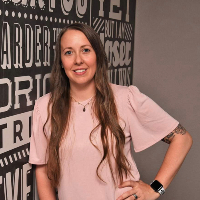



Jennafer Matthews
LPC
Wisconsin - 11 yrs exp












How polyamory therapy typically works for Wisconsin residents
If you are seeking support around non-monogamous relationships in Wisconsin, therapy often begins with an intake conversation that clarifies your goals, relationship structure, and the challenges you are facing. Therapists who work with polyamory come from a range of training backgrounds and may offer individual, couples, or multi-partner sessions depending on what you need. Initial sessions usually focus on building rapport, understanding each person’s perspective, and identifying immediate stressors such as communication breakdowns, jealousy, transitions between agreements, or the logistics of expanding relationships.
After the early sessions, a therapist will typically help you create practical tools for navigating agreements and boundaries, improve communication skills, and manage difficult emotions. You and your partners might practice language for negotiations, learn how to hold difficult conversations without escalating conflict, and explore how attachment styles or past experiences shape current reactions. Therapy can also address related areas like sexual health conversations, parenting within polyamorous networks, and managing the social impacts of non-monogamy in family or work contexts.
Finding specialized help for polyamory in Wisconsin
When looking for a clinician in Wisconsin, you will want to prioritize therapists who explicitly state experience with polyamory or ethical non-monogamy. Many clinicians in larger centers such as Milwaukee, Madison, and Green Bay list this specialty on their profiles, and those listings will often describe their orientation toward non-judgmental, affirming care. You can also look for therapists who mention training in relationship ethics, sex-positive practice, or work with consensual non-monogamy. If you live outside a major city, you still have options - many Wisconsin clinicians offer telehealth, and some travel between regional clinics or maintain flexible hours to serve suburban and rural clients.
Licensing is an important practical consideration. Make sure the therapist is licensed to practice in Wisconsin or is supervised in a way that meets state requirements. If insurance is part of your plan, check whether the clinician accepts your provider or offers a superbill you can submit for reimbursement. Many therapists also offer sliding scale options to improve affordability, so it is worth inquiring about fees and payment plans during initial contact.
What to expect from online therapy for polyamory
Online therapy is a common option for people across Wisconsin and can be particularly helpful when partners live in different cities or when you prefer the convenience of meeting from home. You can expect a typical online session to look much like an in-person one - the clinician will guide conversation, introduce exercises, and help you practice communication strategies. For multi-partner sessions, online meetings can allow participants to join from separate locations, which can reduce travel barriers and make scheduling easier.
Before starting teletherapy, discuss practical matters with your clinician such as how to handle interruptions, what to do if someone loses connection, and how to manage privacy in your physical environment. It is reasonable to ask about their approach to working with multiple partners in a single session, including how they ensure each voice is heard and how they handle conflicts in the moment. Some clinicians will use structured frameworks for multi-person sessions so that turn-taking and emotional regulation are supported.
Common signs you might benefit from polyamory therapy
You might consider seeking therapy if you and your partners are frequently stuck in the same arguments about boundaries, time allocation, or jealousy, or if new relationships are creating stress that interferes with daily life. If you feel persistent anxiety about a partner’s other relationships, or if negotiations about agreements repeatedly break down, therapy can provide tools to move forward. People also look for support when shifting from monogamy to polyamory and want guidance to set clear expectations and reduce harm during transition.
Other signs include difficulty communicating needs without blame, feeling isolated from community or family because of relationship choices, or experiencing sexual health concerns that you want to discuss with a clinician who understands non-monogamous contexts. If you are parenting within a polyamorous network and face practical or social challenges, or if you are encountering workplace or legal issues related to your relationships, a therapist with knowledge of these dynamics can help you strategize and advocate for yourself.
Tips for choosing the right therapist in Wisconsin
Start by reading therapist profiles to find clinicians who explicitly mention polyamory, ethical non-monogamy, or consensual non-monogamy. Profiles that describe specific skills - such as facilitation of multi-partner sessions, training in sex-positive practice, or experience with attachment-focused interventions - can give you a clearer sense of fit. You should feel comfortable asking direct questions when you reach out: inquire about the clinician’s experience with cases like yours, how they structure sessions with multiple partners, and what outcomes they typically focus on.
Consider practical fit as well. If you live in or near Milwaukee, Madison, Green Bay, Kenosha, or Racine, you may prefer someone who offers in-person sessions at least part of the time. If travel is difficult, prioritize clinicians who provide telehealth with flexible scheduling across evenings or weekends. Ask about fees, insurance, cancellation policies, and whether they provide resources between sessions, such as reading suggestions or short exercises to practice. It is also reasonable to ask about continuing education and whether the clinician consults with peers or supervisors on complex polyamory cases.
Pay attention to how you feel during an initial consultation. A good therapeutic fit involves mutual respect for your values and relationship choices, an ability to name power dynamics when they arise, and a non-judgmental stance toward varied relationship structures. If a clinician seems unfamiliar or dismissive of polyamory, it is okay to continue your search until you find someone who aligns with your needs and expectations.
Preparing for your first sessions and next steps
Before your first appointment, it can help to clarify what you hope to accomplish in therapy and to identify the relationships you want to include in sessions. You may decide to start with individual work to build personal coping skills, followed by joint sessions focused on agreements and communication. If you are including multiple partners, discuss logistics in advance - who will be present, how long sessions will be, and what each person wants from therapy. Bring any questions about personal nature of sessions and record keeping that are important to you, and discuss how notes are handled in the state of Wisconsin.
Therapy for polyamory is not a one-size-fits-all process; it adapts to your network of relationships and your goals. Over time you can expect to develop clearer agreements, stronger communication patterns, and greater resilience when bumps occur. Whether you live in a city like Madison or a small town in northern Wisconsin, there are clinicians who can help you navigate these relationship complexities with competence and respect. Use the listings above to read profiles, compare approaches, and reach out to a therapist who feels aligned with your values and needs.
Local considerations and ongoing community support
Communities in Wisconsin vary widely, and cultural norms around relationships can differ between urban centers and rural areas. In larger cities you may find a wider range of therapists with specialized group offerings, community meetups, or referral networks. In smaller communities, clinicians may take a broader role offering both individual and couple-focused care, or connecting you with online groups and educational resources. Engaging with local community resources in Milwaukee, Madison, Green Bay, or other regions can provide additional support alongside therapy, helping you build a network that reflects your values and relationship style.