Find a Paranoia Therapist in Wisconsin
Find therapists in Wisconsin who specialize in paranoia-related concerns, including clinicians offering in-person and online sessions. Browse the listings below to compare approaches, credentials, and availability across the state.


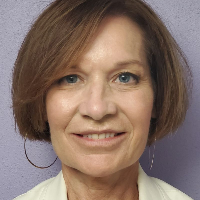
Janet Jacobs
LPC
Wisconsin - 28 yrs exp





















How paranoia therapy typically works for Wisconsin residents
If you are exploring therapy for paranoia, understanding the general process can help set expectations and reduce uncertainty. Most clinicians begin with an initial assessment to learn about your experiences, current challenges, and goals. That intake conversation often covers the history of symptoms, how they affect daily life, and any past treatments you may have tried. From there, a therapist and you will collaborate on a plan that fits your needs - this might include evidence-informed strategies, skills practice, and regular check-ins to monitor progress.
Therapy for paranoia may involve learning to identify patterns of thought and behavior that contribute to heightened suspicion or mistrust. You will work to build coping skills that reduce distress and improve functioning, and you may practice new ways of testing assumptions in real-world situations. In Wisconsin, many providers tailor their approach to local realities - for example by helping you manage stressors tied to work, family, or community dynamics in Milwaukee, Madison, or smaller towns across the state.
Finding specialized help for paranoia in Wisconsin
When seeking a clinician who focuses on paranoia, look for therapists who list anxiety, trauma, psychosis-related concerns, or paranoia in their specialties. Licensure and training are important, but so is experience working with people who have similar symptoms to yours. In larger cities like Milwaukee and Madison you may find a wider variety of clinicians and programs, including those affiliated with university clinics or community mental health centers. In Green Bay and other regions, clinicians may offer flexible scheduling or hybrid care to accommodate commuting distances or work hours.
You can use online directories to filter by areas of focus, therapy approaches, or whether a clinician offers remote sessions. Reading therapist bios will give you a sense of their orientation - whether they emphasize cognitive-behavioral approaches, trauma-informed care, or other methods. If you have specific needs - for example, working with a therapist who understands cultural background, veteran experiences, or LGBTQ+ concerns - prioritize that in your search. Many therapists include details about populations they serve and strategies they use, which helps you make an informed decision before reaching out.
What to expect from online therapy for paranoia
Online therapy is an increasingly common option in Wisconsin, and it can be especially helpful if you live outside major urban areas or prefer the convenience of connecting from home. If you choose remote sessions, you will typically meet with your therapist by video or phone on a scheduled basis. Sessions follow a similar structure to in-person care and focus on symptom management, skill-building, and reviewing progress. Online work can make it easier to access specialists who may be located in Milwaukee or Madison even if you live several hours away.
When starting online therapy, you should discuss practical details with your clinician - what technology platform will be used, how to handle scheduling and cancellations, and what to do in case of an urgent concern between sessions. Therapists will also review boundaries and expectations for the virtual setting so you know how to get support if things feel overwhelming. If you prefer a mix of remote and face-to-face appointments, ask providers in your area if they offer hybrid care; this flexibility can be useful when you need more direct support or in-person assessment.
Common signs someone in Wisconsin might benefit from paranoia therapy
Noticing persistent worry that others are out to harm you, ongoing mistrust of friends or colleagues without clear evidence, or frequent interpretations of neutral events as threatening are examples of signs that therapy might help. You might find these thoughts interfering with daily life - causing difficulty at work, straining relationships, or prompting avoidance of social situations. If you feel constantly on edge, have trouble trusting professional recommendations, or struggle to test your assumptions calmly, those experiences are valid reasons to seek out a therapist.
Other indicators include repeated arguments or confusion in relationships because of suspicious thinking, difficulty concentrating due to fear, or increased isolation to avoid perceived threats. If such patterns are present, a therapist can help you learn practical strategies to reduce distress and make decisions that align with your values. Early help often prevents issues from becoming more entrenched, and many people find that tailored therapy reduces the day-to-day burden of worry and mistrust.
Tips for choosing the right therapist for paranoia in Wisconsin
Choosing a clinician is a personal decision, and a few practical steps can make the search more effective. Start by clarifying your priorities - do you want someone with a particular approach, experience with specific life stages, or availability for evening or weekend appointments? Use those priorities to filter listings, and read therapist bios to find those whose language and focus feel like a fit. In cities such as Milwaukee and Madison you may have more options, but even in smaller communities you can often find skilled clinicians who provide tailored care or offer online appointments to broaden your choices.
When you contact a therapist, ask about their experience working with paranoia-related concerns, how they measure progress, and what a typical treatment timeline might look like. Pay attention to whether the clinician listens to your questions and explains their approach clearly. It is reasonable to schedule a brief consultation to see if the rapport feels right; feeling comfortable with the clinician is an important part of therapy effectiveness. If a particular provider does not seem like the right fit, it is okay to try another clinician - finding the right match can make a meaningful difference in your outcomes.
Practical considerations
Consider logistics such as whether a therapist accepts your insurance, offers a sliding scale, or provides session bundles. For many people, financial and scheduling factors are decisive, so clarify fees and payment methods early. If you live in or near larger centers like Green Bay, you may find community clinics with different payment structures. Also ask about cancellation policies and how to reach the clinician between sessions for urgent questions - knowing these details reduces uncertainty and helps you focus on the work of therapy.
Taking the next step
Starting therapy can feel daunting, but taking small steps - comparing a few profiles, reading clinician statements, and scheduling initial conversations - makes the process manageable. Keep in mind that progress often happens gradually; building new ways of thinking and responding takes time and practice. You do not need to have everything figured out before reaching out - therapists expect to help you clarify goals and will work with you to create a plan that fits your life in Wisconsin, whether you are in a city like Milwaukee or Madison or a smaller community.
Use the listings above to explore clinicians who focus on paranoia and related concerns, and reach out when you are ready to learn more. With the right match and a clear plan, therapy can provide practical tools to reduce distress and improve daily functioning, helping you move toward greater calm and clearer decision-making in your relationships and daily life.