Find an Older (45+) Therapist in Wisconsin
This page highlights therapists across Wisconsin who specialize in working with adults aged 45 and older. Use the listings below to review clinician backgrounds, focus areas, and availability across the state.



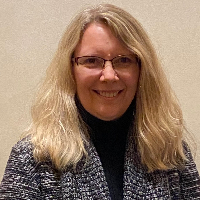
Janet Jacobs
LPC
Wisconsin - 28 yrs exp


















Christopher Gerou
LPC
Wisconsin - 30 yrs exp


How Older (45+) Therapy Works for Wisconsin Residents
If you are exploring therapy as an adult in midlife or beyond, you will find approaches tailored to the issues that often emerge after age 45. Therapy for older adults typically focuses on transitions such as career shifts, caregiving responsibilities, relationship changes, health adjustments, grief, and questions about purpose or retirement. Sessions can be structured and goal-oriented or more open and exploratory depending on what you want to address. Many clinicians blend evidence-informed methods with a life-course perspective that takes into account the accumulated experiences that shape how you think, feel, and relate.
In Wisconsin, therapy may take place in an office, a community clinic, or through online sessions that you can join from home. Where you live - whether in an urban center like Milwaukee or Madison or a rural county - will shape the logistics you consider. Some people prefer meeting in person to build a rapport, while others appreciate the convenience of connecting from home when travel or mobility is a concern. Either format aims to offer a reliable therapeutic relationship and practical tools you can use between sessions.
Finding Specialized Help for Older (45+) in Wisconsin
When you begin searching for a therapist who focuses on adults 45 and older, consider how clinicians describe their experience with age-related topics. Many therapists note work with transitions, caregiving, dementia family dynamics, retirement planning, chronic illness adjustment, or grief and loss. You can look for descriptions that mention an ability to integrate life-stage concerns into treatment, as well as training in therapeutic modalities that suit your needs.
Geography matters. In larger Wisconsin communities such as Milwaukee, Madison, and Green Bay you will often find a wider range of specializations and scheduling options. In smaller towns you may value a clinician who understands local values and community resources. Insurance networks and sliding scale options can differ by region, so checking practical details up front will help you narrow choices. Many therapists offer an initial phone or video consultation so you can ask about their work with older adults and get a sense of fit before committing to regular sessions.
What to Expect from Online Therapy for Older (45+)
If you choose online therapy, you can expect a format similar in structure to in-person work: scheduled sessions, goals you set together with your clinician, and therapeutic homework or strategies to practice between meetings. Online sessions can be especially helpful if you live far from a clinic, have caregiving duties that make travel difficult, or have mobility limitations. To get the most from virtual therapy, you should find a quiet area in your home where you will not be interrupted, test your internet connection and device beforehand, and agree with your therapist on how to handle technical disruptions or emergencies.
Some therapists offer a hybrid approach that combines occasional in-person meetings with remote sessions. That flexibility can be useful when you are managing busy family schedules or seasonal needs, such as helping relatives who live out of state. If you value in-person contact, look for clinicians in the Milwaukee or Madison areas who provide office hours and also maintain an online practice. In Green Bay and other regional centers, hybrid models are increasingly common and can make long-term care more sustainable.
Common Signs Someone in Wisconsin Might Benefit from Older (45+) Therapy
You might consider seeking a therapist if you notice persistent changes in mood, energy, sleep, or appetite that interfere with daily life. Relationship conflicts that feel unresolved, chronic worry about aging, difficulty adjusting to retirement or a new caregiving role, and prolonged grief after losing a partner or close friend are all reasons people pursue counseling. You may also look for help if you are coping with a chronic medical condition, recurring stress about finances or housing, or a sense of losing meaning and direction as life expectations shift.
Local stressors can contribute to these challenges. For example, long winters in Wisconsin can amplify feelings of isolation, and the demands of moving between homes or managing seasonal work can increase strain. If you are juggling care for aging parents while maintaining your own responsibilities, therapy can provide practical strategies for boundary setting and self-care. Therapy is not only for crisis moments; it can be a resource for planning changes, improving relationships, and enhancing day-to-day resilience.
Tips for Choosing the Right Therapist for This Specialty in Wisconsin
Start by clarifying what you hope to get from therapy. Are you looking for short-term problem solving, support while navigating a life transition, or longer-term exploration of patterns and relationships? Knowing your priorities will help you evaluate clinicians’ descriptions and decide which specialties matter most. Pay attention to a therapist's stated experience with midlife issues, bereavement, caregiving dynamics, health-related adjustment, or whatever matches your situation.
When you contact a therapist, ask about their approach to working with adults 45 and older. You might inquire how they combine practical strategies with emotional processing, what to expect in early sessions, and whether they have experience coordinating care with medical providers or community services. If insurance coverage is important, ask about plans accepted and whether the therapist offers sliding scale fees. If availability or mobility is a concern, discuss options for remote work and whether they can accommodate different scheduling needs.
It is also reasonable to consider personal fit. You may prefer a clinician who shares or understands cultural, religious, or community values important to you. In cities like Madison and Milwaukee, you may find therapists who specialize in specific cultural communities or who speak multiple languages. In smaller towns, you may prioritize a therapist who knows local resources and can provide hands-on referrals. Trust your impressions during an initial consultation - a good fit reduces the friction of starting therapy and helps you feel comfortable exploring sensitive topics.
Practical Considerations and Next Steps
Before your first session, think about immediate goals and a few topics you want to address. Gathering brief medical history or a list of important life events can help your therapist understand your context faster. If you are using online sessions, experiment with your device and internet connection ahead of time and choose a location where you can talk without interruptions. Keep in mind that building therapeutic progress takes time; consistent sessions and willingness to try new strategies often yield the best outcomes.
If cost is a concern, look for therapists who offer sliding scale fees or who can help you locate community mental health resources. Some clinics in Wisconsin partner with universities or nonprofit organizations to provide low-cost services. Libraries, senior centers, and community health organizations in Milwaukee, Madison, and Green Bay often maintain lists of local resources and support groups that complement therapy. Reaching out to a clinician for an initial consultation is a practical first step that will give you a clearer sense of fit and direction.
Wrapping Up
Finding a therapist who understands the unique challenges and opportunities that come after age 45 can make a meaningful difference in how you navigate this chapter of life. Whether you live near the lakes and neighborhoods of Milwaukee, the university town of Madison, the regional hub of Green Bay, or elsewhere in Wisconsin, there are clinicians who focus on midlife and later-life concerns and who can work with you in person or online. Use the listings above to compare backgrounds, ask practical questions about approach and logistics, and choose a professional who helps you move toward clearer goals and improved well-being.