Find an Isolation / Loneliness Therapist in Wisconsin
This page highlights therapists in Wisconsin who focus on Isolation and Loneliness, offering approaches to help you rebuild connections and reduce loneliness. Browse the listings below to compare specialties, therapy styles, and locations across the state.

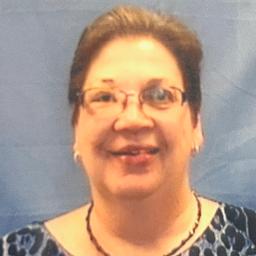
Stephanie Collins
LCSW
Wisconsin - 10 yrs exp



Rebekah Wolff
LPC
Wisconsin - 8 yrs exp



















How isolation and loneliness therapy works for Wisconsin residents
If you are feeling cut off from others or are struggling with persistent loneliness, therapy can give you a structured way to explore those feelings and develop practical skills. In sessions you will work with a trained professional to understand patterns that contribute to social withdrawal, learn techniques to manage distressing thoughts and feelings, and practice strategies that make it easier to reach out and form meaningful connections. Therapists often blend evidence-informed approaches with attention to your personal history, values, and current circumstances so that the work is relevant to your life in Wisconsin.
Your location can influence the focus of therapy. Someone living in a densely populated neighborhood in Milwaukee may face different social dynamics than someone in a small town or farming community. A therapist who understands local contexts - from campus life in Madison to the rhythms of life near Green Bay - can help you translate general strategies into steps that fit your daily routines and community opportunities.
Finding specialized help for isolation and loneliness in Wisconsin
Start by looking for therapists who list Isolation or Loneliness among their specialties and who describe specific approaches that feel like a good match. Some clinicians emphasize social skills training and behavioral activation - practical work to increase opportunities for interaction. Others focus on attachment-related issues and the ways early relationships shape your expectations of others. You may prefer a therapist with experience supporting adults through life transitions such as retirement, relocation, or grief, since these experiences can trigger or deepen feelings of isolation.
Geography matters when you consider logistics. Urban areas like Milwaukee and Madison offer larger networks of clinicians and more options for in-person meetings. Smaller communities may have fewer therapists nearby, but you can often find clinicians who offer evening hours or hybrid options that combine in-person and remote sessions. If you live farther from metropolitan centers such as Green Bay, it helps to check whether therapists list flexible scheduling or travel-related expertise in their profiles.
What to expect from online therapy for isolation and loneliness
Online therapy has become an accessible option for many people across Wisconsin. When you work remotely, you can connect with clinicians who understand your situation even if they are not in the same town. In the first few sessions, you will likely review what has contributed to your isolation, set goals, and agree on practical steps to try between meetings. Remote therapy sessions can focus on real-time role play to practice social interactions, cognitive techniques to address negative self-talk, and planning for community engagement that respects your preferences and safety.
Some people find online sessions easier to attend because they reduce travel time and make it simpler to fit therapy into a busy schedule. Others appreciate the ability to work with a clinician who has a particular expertise that may not be available locally. While remote work can be very effective, you should also consider how you want to apply what you practice in sessions - you will likely be encouraged to try small, real-world steps to build connections, whether that means attending a community event in Madison, volunteering in Green Bay, or reaching out to neighbors in your own town.
Common signs that someone in Wisconsin might benefit from isolation and loneliness therapy
You might consider seeking help if you notice prolonged changes in your social life or emotional well-being. This can include persistent feelings of emptiness despite having interactions, difficulty making or keeping friends, withdrawing from activities you used to enjoy, or regular thoughts about being alone even when others are available. You may also experience heightened anxiety about social situations, increased use of screens to replace face-to-face contact, or a sense that relationships are unsatisfying or superficial. These experiences can happen at any age and in any setting - from college campuses in Madison to older adult communities near Green Bay.
Sometimes loneliness shows up as physical symptoms such as sleep disruption, loss of appetite, or low energy. While these are not medical diagnoses in themselves, they are signals that the emotional experience of loneliness is affecting daily life. If you find the experience interferes with work, family responsibilities, or your ability to enjoy life, speaking with a therapist can help you address both the emotional and practical aspects of feeling alone.
Tips for choosing the right therapist for this specialty in Wisconsin
When you begin your search, look for clear descriptions of the therapist's approach, populations served, and experience with isolation or loneliness. Read profiles to learn whether they emphasize relational work, cognitive strategies, behavioral activation, or community reintegration. Consider practical factors such as location, availability, session length, and whether they offer remote appointments. If proximity matters, target therapists near larger hubs like Milwaukee or Madison where options are wider, or search for clinicians who explicitly note experience working with rural or small-town clients if you live outside those areas.
It is reasonable to reach out with a brief message to ask about fit - most therapists will tell you about their approach, typical session structure, and whether they have experience with issues similar to yours. Pay attention to how you feel after that first exchange. Do you feel heard and respected? Do their suggestions align with what you hope to address? A good match is not only about credentials but also about the working relationship and how supported you feel to try new steps between sessions.
Practical considerations for Wisconsin residents
If transportation or local availability is a concern, remote options can expand your choices. You should also check whether they offer evening or weekend hours if your schedule is busy. For students and older adults, there may be specialized services or community programs in cities such as Madison or Milwaukee that coordinate with clinicians. Some therapists are experienced in connecting clients with local groups, volunteer opportunities, or educational programs that create natural chances to meet people and practice new skills.
Remember that progress often comes through small, consistent steps rather than a single breakthrough. Your therapist can help you design manageable goals that reflect Wisconsin's seasonal shifts and community rhythms - for example, planning indoor social activities during colder months or using local festivals and farmers markets as low-pressure ways to be around others. Over time, those small actions can change your relationships with yourself and with others.
Moving forward
Reaching out for support is a practical step toward feeling more connected. Whether you prefer in-person care in Milwaukee or Madison, or the flexibility of online sessions that link you with someone across the state, there are approaches that can fit your needs. Use the profiles below to filter by approach, availability, and location, and consider contacting a few therapists to find the right fit. You do not have to manage persistent loneliness alone - therapy can offer tools, companionship, and a plan for rebuilding the relationships that matter to you.