Find an Infidelity Therapist in Wisconsin
This page connects you with therapists across Wisconsin who specialize in infidelity and relationship recovery. Browse the listings below to compare approaches, credentials, and availability in Milwaukee, Madison, Green Bay and other communities.



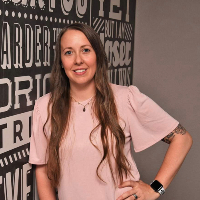
Rebekah Wolff
LPC
Wisconsin - 8 yrs exp


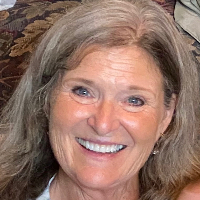
Janet Jacobs
LPC
Wisconsin - 28 yrs exp

















How infidelity therapy typically works for Wisconsin residents
If you are seeking help after an affair or betrayal, therapy often begins with an initial assessment to understand your history, current concerns, and what you hope to change. That assessment may occur in an individual session for one partner or in a joint session for both people in the relationship. Therapists who focus on infidelity usually balance attention to emotions - such as grief, anger, and confusion - with practical communication skills that help partners talk about what happened and what each person needs to move forward.
In Wisconsin, licensed clinicians may offer a combination of individual work, couples sessions, and sometimes family sessions if that is helpful. You can expect clinicians to discuss boundaries for sessions, personal nature of sessions practices and consent for joint work, and a plan for how many sessions might be needed to address immediate crises versus long term rebuilding. Clinicians working with infidelity often blend approaches that focus on emotional repair and concrete behavioral changes to reduce triggers and rebuild trust over time.
Initial steps and session structure
Your first few sessions are likely to be focused on creating a shared understanding of the situation and setting safety for conversation. A therapist will usually help you establish conversation guidelines so that both partners can express painful feelings without escalation. Sessions often include both men and women, couples of any orientation, and may include work on boundaries, parenting concerns, financial impacts, and strategies for repairing intimacy. If trauma symptoms are present - for example, persistent nightmares or intense avoidance - therapists may recommend a combination of couples work and individual sessions to address those reactions safely.
Finding specialized infidelity help in Wisconsin
When you search for a clinician in Wisconsin, look for professionals who list infidelity, relationship trauma, or betrayal recovery among their specialties. Licenses you will commonly see include Licensed Professional Counselor (LPC), Licensed Clinical Social Worker (LCSW), Licensed Marriage and Family Therapist (LMFT), and psychologists. These credentials indicate different training backgrounds and therapy emphases, so it is useful to review therapist profiles for experience with affairs, years in practice, and descriptions of their approaches.
Consider whether you need someone who has experience with specific circumstances - for example, long-term affairs, online infidelity, or relationships affected by substance use. Urban centers such as Milwaukee and Madison offer a wider pool of clinicians with diverse specialties and evening schedules, while therapists who serve Green Bay, Kenosha, Racine and smaller Wisconsin communities may offer more flexible hours or sliding scale fees. Many Wisconsin clinicians also describe cultural competence, language abilities, or faith-sensitive practice on their profiles - details that can matter when you are seeking someone who understands your context.
What to expect from online therapy for infidelity
Online therapy can be a practical option if you live outside a major city or have scheduling constraints. For many people in Wisconsin, telehealth removes travel time and allows partners in different locations to join a session more easily. Online sessions typically mirror in-person work in structure - introductions, check-ins, focused conversation, and practice of new skills between sessions. Clinicians will usually explain technical requirements, what to do if a session is interrupted, and how to create a calm environment for sensitive conversations.
There are distinct advantages and limitations to online work. You may find it easier to schedule an evening session after work, and some people feel less self-conscious opening up over video. At the same time, some therapeutic techniques - such as certain experiential exercises or intensive in-person interventions - may be harder to replicate online. If you and your partner prefer face-to-face contact, therapists in Milwaukee, Madison or Green Bay can often offer in-office options. Discuss preferences with potential clinicians so you can agree on a format that supports honest dialogue and emotional safety.
Common signs that someone in Wisconsin might benefit from infidelity therapy
You might consider infidelity-focused therapy if you or your partner are experiencing persistent mistrust, frequent arguments about fidelity, a breakdown in physical or emotional intimacy, or ongoing emotional pain that interferes with daily life. People often seek help when they notice secrecy around devices or accounts, repeated checking behaviors, or a pattern of avoiding meaningful conversations. Some couples come for therapy because one partner wants to understand why the betrayal happened and the other wants to repair the relationship. Others come because they need help deciding whether to separate or rebuild and want a structured process to make that choice.
Therapy is also commonly sought when infidelity intersects with other concerns such as parenting decisions, financial complications, or issues related to substance use or mental health. If you are experiencing intense anxiety, sleeplessness, or a decline in functioning after betrayal, a therapist can help you identify practical steps to stabilize daily routines while also addressing relationship needs.
Practical tips for choosing the right infidelity therapist in Wisconsin
Start by reading therapist profiles closely to learn about training, years of experience, and stated approaches. Look for clinicians who explicitly reference work with infidelity, betrayal trauma, or relationship repair. If a profile includes a description of approaches - such as emotion-focused therapy, trauma-informed care, or skills-based communication work - that can help you determine whether their style matches your needs. You may want someone who is comfortable holding difficult conversations in a way that keeps both partners engaged.
Ask about logistics before you commit. Confirm whether the therapist is licensed in Wisconsin and whether they offer in-person sessions in cities like Milwaukee or Madison, as well as telehealth across the state. Discuss fees and payment options, including whether they accept insurance or offer sliding scale rates. Many therapists offer a brief initial consultation at no charge or a reduced rate so you can assess fit. Use that opportunity to ask how they approach infidelity, whether they combine couples and individual work, and how they measure progress.
Factors that support a good match
Therapeutic fit often comes down to communication style and comfort. Choose a clinician who listens well, explains their approach clearly, and demonstrates sensitivity to your cultural and personal values. If faith or spirituality is important to you, consider a therapist who integrates or respects those beliefs. For bilingual households or immigrant communities, finding a therapist who speaks your language or understands cross-cultural dynamics can be particularly helpful. Finally, trust your instincts - if a therapist’s style feels dismissive or the pacing seems off, it is reasonable to try a different clinician until you find someone who feels like a good match.
Deciding between in-person and online care
If you prefer face-to-face connection and live near a major center such as Milwaukee, Madison or Green Bay, in-person therapy may provide the immediacy some couples find supportive. If you and your partner live in different parts of Wisconsin, work demanding schedules, or need flexible appointment times, online sessions can make ongoing care more practical. You can also combine both - meeting in person for some sessions and using video for check-ins when needed. Talk with potential therapists about what will work best for your circumstances and comfort level.
Finding the right therapist after infidelity is a process that combines practical considerations with emotional fit. Use profiles and introductory conversations to identify clinicians with relevant experience, clear communication styles, and a plan for both short-term stabilization and longer-term repair. Whether you search listings for providers in Milwaukee, Madison, Green Bay, or other Wisconsin communities, the therapists below can help you take the next step toward clarity, healing, and decision-making.