Find a Hospice and End-of-Life Counseling Therapist in Wisconsin
This page highlights hospice and end-of-life counseling therapists who work with individuals, families, and care teams across Wisconsin. Listings include clinicians offering in-person and online care so visitors can compare specialties and availability.
Browse the therapist profiles below to find a practitioner whose experience and approach match the needs of your situation.


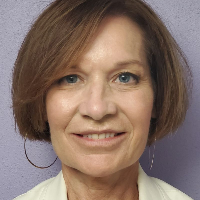
Janet Jacobs
LPC
Wisconsin - 28 yrs exp














Christopher Gerou
LPC
Wisconsin - 30 yrs exp







How hospice and end-of-life counseling works for Wisconsin residents
If you are facing a serious illness or supporting someone who is, hospice and end-of-life counseling is focused on emotional, relational, and practical coping. Therapists with this specialty work with patients, family members, and caregivers to address anticipatory grief, anxiety related to illness and loss, family communication, and the meaning questions that often arise during late-stage care. In Wisconsin, therapists may be part of a multidisciplinary hospice team, work independently, or provide services through hospitals, clinics, and community organizations. You can expect sessions to be driven by your concerns - whether that means talking through fears, planning conversations with loved ones, or building strategies for managing caregiving stress.
Therapy often includes short-term support around specific transitions as well as ongoing counseling when complex grief or emotional patterns need more time to process. In many cases therapists will coordinate with medical providers, social workers, chaplains, and home health staff to create a consistent approach that respects legal and medical plans while focusing on emotional well-being and relationships.
Who provides hospice and end-of-life counseling
You may find licensed clinical social workers, professional counselors, psychologists, and clinicians with additional training in grief, trauma, or palliative care offering these services. Some therapists have professional experience working directly with hospice agencies or in hospital palliative programs, while others bring a background in family therapy or spiritual care. When looking for a clinician in Wisconsin, consider both licensure and demonstrated experience with end-of-life concerns so that you get care aligned with the emotional and cultural needs of your household.
Finding specialized help in Wisconsin
Finding the right therapist starts with clarifying what kind of support you need and where you prefer to meet. In metropolitan areas like Milwaukee and Madison you may have access to clinicians who regularly visit hospice units, consult with medical teams, and run caregiver support groups. In places such as Green Bay and smaller communities, therapists may offer a blend of in-person visits and remote sessions to reach family members who live farther away. Searching listings by specialty, reading clinician bios, and noting any affiliations with hospice or palliative organizations will help you identify practitioners who are experienced with the unique needs of the end of life.
When geography is a factor, teletherapy expands options across Wisconsin - you can work with a therapist in another city who has a strong hospice practice and can include distant family members in sessions. If an in-person visit is important, ask about clinicians who provide home or hospital visits, or who partner closely with local hospice teams to join meetings on site when needed.
What to expect from online therapy for hospice and end-of-life counseling
Online therapy can be a practical and effective option when mobility, distance, or infection control are concerns. When you choose remote sessions, sessions typically take place via video or phone calls and are scheduled to fit around medical appointments and caregiving responsibilities. You should expect initial conversations to cover goals for therapy, any immediate emotional needs, and logistical details - such as technology preferences and how to handle urgent situations that arise between sessions. Therapists will explain how they protect your privacy and what to do in the event of an emergency, and they will discuss who else - family members, hospice staff, or medical providers - might be included in sessions.
One practical advantage of online care is that it allows you to include family members who live in different cities, such as relatives in Milwaukee joining a video session while you are at home in a smaller Wisconsin town. That shared connection can be helpful for family meetings, legacy conversations, and planning discussions.
Common signs someone in Wisconsin might benefit from hospice and end-of-life counseling
You might consider seeking this type of counseling if you or a loved one are feeling overwhelmed by strong emotions that are hard to manage alone. Persistent anxiety about symptom changes, intense sadness that interferes with daily life, difficulty making or communicating care preferences, or recurring conflicts among family members about decisions are common triggers for reaching out. Caregivers who feel burnt out, isolated, or unsure how to balance care responsibilities with personal needs often benefit from focused support. Grief that starts before a loss - sometimes called anticipatory grief - can also be eased through counseling, helping people process emotions while they still have time together. If you notice changes in mood that make it hard to connect with others, or if conversations about wishes and practical plans are becoming too stressful to navigate, a therapist who understands hospice and end-of-life issues can help guide the process.
Tips for choosing the right therapist for this specialty in Wisconsin
Begin by identifying the priorities for your care - whether that is emotional support, family mediation, bereavement planning, or help coordinating with a hospice team. Look for clinicians who describe experience with end-of-life work and who can articulate their approach to grief and coping. Ask about experience working with hospice agencies, hospitals, or palliative care teams, and whether they offer in-home, hospital, or virtual visits. Consider cultural, spiritual, and language needs - many people find it important that their therapist respects their beliefs and can incorporate spiritual or ritual considerations into counseling when appropriate. Practical questions about fees, insurance acceptance, sliding-scale options, and session length are important, and you should feel comfortable asking for an initial phone or video consultation to get a sense of rapport before committing to ongoing sessions.
If proximity matters, check whether clinicians regularly work in major centers like Milwaukee, Madison, or Green Bay, or whether they are set up to provide reliable teletherapy across Wisconsin. For caregivers who split time between locations, a therapist who can be flexible with appointment times and platforms may be especially useful.
Working with care teams and family members
Therapists in this area often play a collaborative role - helping translate emotional needs into practical plans and helping coordinate conversations among family members, medical professionals, and hospice staff. You can expect discussions that balance emotional processing with decision-making support. Family sessions can be structured to improve communication and set boundaries, while individual work can focus on coping skills and processing loss. After a death, many therapists provide bereavement work that helps you transition through the grief process and reestablish routines and meaning in daily life. You may also be guided to community support resources, caregiver groups, or bereavement programs offered by local hospices and hospitals.
Making the first contact and what comes next
When you reach out to a therapist, prepare a few questions about their experience with end-of-life care, whether they work directly with hospice staff, and how they handle urgent emotional needs between sessions. Ask about technological needs if you plan to meet online, and about whether home or hospital visits are available when in-person care is necessary. An initial meeting is often an exploration of fit - therapists will want to understand your goals and current stressors, and you should notice whether their style feels supportive and practical for your situation. If the match feels right, you can discuss a plan for frequency of sessions and any coordination with other care professionals.
For many people in Wisconsin, finding a therapist with hospice and end-of-life experience brings relief through clearer communication, better coping strategies, and a greater sense of control during a difficult time. Use the listings on this page to start conversations with clinicians who match your needs and are familiar with the communities and care systems where you live, whether that is in Milwaukee, Madison, Green Bay, or elsewhere in the state.
When you are ready, reach out to schedule an initial consultation and take the first step toward emotional support and practical guidance during a challenging moment.