Find a Family of Origin Issues Therapist in Wisconsin
This page highlights therapists across Wisconsin who focus on family of origin issues, including clinicians offering both in-person and online sessions. Browse the listings below to compare specialties, locations, and contact details to find a clinician who fits your needs.


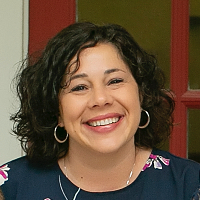
Rebekah Wolff
LPC
Wisconsin - 8 yrs exp



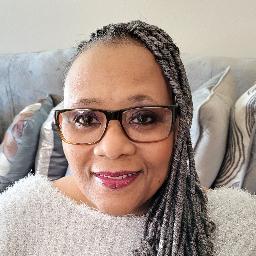
Janet Jacobs
LPC
Wisconsin - 28 yrs exp













How family of origin issues therapy works for Wisconsin residents
If you choose to pursue therapy for family of origin concerns in Wisconsin, you will find approaches that explore how early family experiences shape current patterns. Therapists typically help you connect past dynamics - such as parenting styles, sibling relationships, cultural expectations, and family roles - with how you relate to others now. The work often includes identifying recurring interactions, understanding emotional responses, and experimenting with new ways of setting boundaries and expressing needs. Sessions may focus on individual exploration, couples work, or family sessions where appropriate, all aimed at giving you tools to change unhelpful patterns while honoring what you want to keep.
Licensure and practice in Wisconsin
Therapists practicing in Wisconsin are licensed through state boards, and those who offer in-person care usually maintain an office in the state. If you seek online sessions, it is common to choose a therapist who holds a Wisconsin license so they can provide services to you legally and consistently. Many clinicians in larger centers such as Milwaukee and Madison also offer evening hours or hybrid schedules to accommodate working adults and students. Understanding a therapist's licensure and where they physically practice can help you anticipate logistics like availability, billing, and local referrals.
Finding specialized help for family of origin issues in Wisconsin
When you begin searching, look for clinicians who list family of origin issues, family systems, attachment, or generational trauma among their specialties. You can narrow your search by location if in-person care matters - for example, you might prioritize clinicians near Milwaukee for city-based services or near Madison if you live in or around the capital region. Communities around Green Bay and other parts of northeast Wisconsin may have clinicians who combine family systems training with cultural or faith-based expertise, which can be valuable if family expectations are tied to regional or cultural norms. If you need flexibility, many therapists across Wisconsin offer online appointments so you can access clinicians beyond your immediate city.
Training and modalities to consider
Family of origin work is not limited to one theoretical approach. Some therapists draw on family systems theory to map relationships and roles, while others integrate attachment-focused work to explore emotional bonds and regulation. You may also find clinicians using narrative techniques to reframe family stories or cognitive-behavioral strategies to change reactions tied to family patterns. When reviewing bios, consider whether a clinician mentions working with adults who grew up in complex family environments, parenting transitions, or blended family dynamics - those signals suggest experience relevant to family of origin concerns.
What to expect from online therapy for family of origin issues
Online therapy can provide a flexible way to address family of origin issues without the need to travel, which is helpful if you live outside major centers like Milwaukee, Madison, or Green Bay. In an online session, you can expect a similar focus on exploring family history, identifying patterns, and practicing new skills as you would in person. Therapists often adapt exercises for the virtual format, using guided reflections, role plays, or journaling prompts that you can do between sessions. personal nature of sessions practices and session structure are typically reviewed at intake so you know how clinicians handle notes, emergencies, and communication between sessions.
Practical considerations for online sessions
Before starting online therapy, confirm technical requirements and whether the clinician offers a platform or uses simple video calls. Consider your environment at home for privacy and minimal interruption so you can speak freely and focus on the work. If you anticipate involving family members in some sessions, discuss how to coordinate schedules and how the clinician will manage shared online sessions. Many Wisconsin therapists have experience balancing individual and family-focused online work, which can be especially useful if family members live in different parts of the state or out of state.
Common signs you might benefit from family of origin issues therapy
You might consider therapy when you notice patterns that feel stuck or harmful but are hard to change on your own. This can show up as repeated conflict in intimate relationships, chronic people-pleasing driven by early family roles, difficulty setting boundaries with parents or siblings, or a persistent feeling that you are repeating the same family patterns you vowed not to repeat. Other signs include managing intense shame or guilt tied to family expectations, carrying unresolved grief or anger from childhood experiences, or feeling overly responsible for others in ways that compromise your own wellbeing. Recognizing these signs is the first step; therapy offers a space to explore their origins and to practice alternative ways of relating.
When family involvement is part of the work
If you plan to involve family members, therapy can become a forum for creating new patterns of interaction and communication. Some people begin with individual sessions to build clarity and coping skills before inviting relatives into shared sessions. You will want to discuss goals in advance - whether the aim is to negotiate boundaries, process past hurts, or improve present communication - and ensure that all participants know what to expect. Therapists often guide these conversations with structure and clear turn-taking so everyone can be heard while minimizing reactivity.
Tips for choosing the right therapist for this specialty in Wisconsin
Start by identifying what matters most to you - clinical approach, experience with adult children of difficult family dynamics, cultural competence, availability for evenings or weekend sessions, or insurance acceptance. If location matters, focus on clinicians in or near your city, whether that is Milwaukee, Madison, Green Bay, or another Wisconsin community. When assessing a clinician's profile, pay attention to specific language about family systems, multigenerational patterns, and work with attachment or relational issues. Consider reaching out for a brief consultation call to get a feel for their style and how they describe goals and techniques.
Questions to ask during a consultation
It is reasonable to ask a clinician how they typically approach family of origin issues, what kinds of progress you might expect in the early months, and how they handle sessions that involve multiple family members. Ask about session length, cancellation policies, fees, and whether they offer sliding scale fees if cost is a concern. If cultural background or faith is important in your family story, ask about the clinician's experience working with clients from similar backgrounds. A good match often feels like a balance between clinical skill and personal rapport, so trust your sense of whether you feel understood and respected during an initial conversation.
Next steps for getting started in Wisconsin
Once you identify a few clinicians who seem like a fit, reach out to schedule an intake or consultation. Prepare a short summary of what brings you to therapy and any immediate goals you have, whether that is improving communication, setting boundaries, or understanding recurring feelings. Keep in mind that finding the right clinician can take time - it is acceptable to try a few sessions with someone and then switch if you do not feel the connection or progress you hoped for. Across Wisconsin, from urban centers to smaller towns, there are clinicians who specialize in family of origin work and can partner with you as you explore how the past influences your present and what you want to change moving forward.