Find a Chronic Illness Therapist in Wisconsin
This page connects you with therapists across Wisconsin who focus on supporting people living with chronic illness. Explore clinician profiles, specialties, and locations below to find a match that fits your needs.
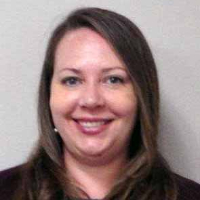

Rebekah Wolff
LPC
Wisconsin - 8 yrs exp



Janet Jacobs
LPC
Wisconsin - 28 yrs exp



















How chronic illness therapy works for Wisconsin residents
Therapy for chronic illness is designed to help you manage the emotional, behavioral, and practical challenges that can accompany long-term health conditions. In Wisconsin, therapists who focus on this specialty blend psychological approaches with strategies that acknowledge the day-to-day realities of living with ongoing symptoms, treatment routines, and changes in capacity. Your therapist will work with you to identify goals that matter to your life - whether those goals relate to mood, pain management, relationships, or adapting to shifts in work and family roles - and will tailor sessions to the pace and needs that you bring.
Many clinicians emphasize skills-based work, such as stress management, sleep habits, activity pacing, and communication techniques for talking with medical providers and loved ones. Therapy is often collaborative - you and your clinician review what helps and what does not, and adjust plans over time. Because Wisconsin includes both urban centers and rural communities, therapists commonly coordinate with local medical teams, community resources, and social services to make therapy more relevant to the environment where you live.
Therapeutic approaches you may encounter
Therapists use a range of approaches that support people living with chronic illness. Cognitive behavioral approaches can help you reframe unhelpful thoughts and develop practical coping tools. Acceptance-based methods encourage living in alignment with your values despite limitations. Health-focused counseling addresses adherence challenges, medication side effects, and the emotional impact of diagnosis and uncertainty. Your clinician may combine these approaches to fit what you find most useful.
Coordination with medical care
Because chronic illness often involves ongoing medical treatment, you may find it helpful when your therapist understands how to collaborate with doctors, nurses, and other care team members. In Wisconsin, clinicians frequently engage with local clinics, rehabilitation services, and community health programs to create integrated support. You can discuss with a prospective therapist how they handle coordination - for instance, whether they can communicate with your medical team or provide reports that help with disability documentation or care planning. Clear agreements about communication and shared goals help therapy blend with your overall care.
Finding specialized help for chronic illness in Wisconsin
When searching for a therapist, focus on clinicians who list chronic illness, pain, or medical-related mental health as a specialty. Many therapists will indicate experience with specific conditions, age groups, or life-stage concerns, which can help you find someone who speaks to your situation. Consider whether you prefer a clinician who regularly works with medical systems, or someone whose practice centers more on the emotional and lifestyle adjustments that come with long-term illness.
Geography matters in Wisconsin. If you live in Milwaukee or Madison, you may have access to a wider range of specialty clinicians and multidisciplinary clinics. In Green Bay and other smaller cities, therapists often develop strong community connections and experience adapting care for people who travel farther for appointments. If mobility, transportation, or weather make in-person visits difficult, telehealth can expand your options across the state.
What to expect from online therapy for chronic illness
Online therapy can be a practical option when physical symptoms, fatigue, or travel distances make in-person sessions challenging. With virtual sessions, you can meet with clinicians who are experienced in chronic illness care without leaving home. Expect many of the same therapeutic techniques to translate to an online format, including cognitive restructuring, activity planning, relaxation training, and problem-solving work. You may also use asynchronous tools such as text-based messaging or worksheets between sessions if the clinician offers them.
Before starting online therapy, check the clinician's policies on scheduling, cancellations, and how they handle emergencies. Ask how they create a safe setting for sessions conducted from your home, and whether they have experience addressing interruptions or technical issues. You should also confirm licensure - clinicians who provide telehealth to Wisconsin residents typically hold licensure that allows them to practice in the state. Discussing expectations up front helps you get the most from remote sessions.
Common signs you might benefit from chronic illness therapy
You might consider therapy if you find that your illness affects how you relate to others, your ability to work or enjoy activities, or your emotional well-being. Persistent feelings of sadness, anxiety about symptoms or the future, difficulty adhering to treatment plans, or frequent conflict with family members over care needs are all experiences that therapy can address. Therapy is also useful if you are struggling with identity shifts after a diagnosis, grief over losses related to health, or difficulty balancing self-care with responsibilities.
Practical challenges can also signal a helpful role for therapy. If you notice that pain, fatigue, or brain fog consistently prevent you from doing things you value, a clinician can help you develop pacing strategies, set realistic goals, and problem-solve barriers to care. Even if your main concern is to improve day-to-day quality of life rather than treat a diagnosable psychiatric condition, specialized counseling can provide tools and support tailored to living with a chronic medical condition.
Tips for choosing the right therapist for this specialty in Wisconsin
Begin by identifying what matters most to you in therapy - clinical approach, experience with certain conditions, cultural or language needs, and logistics such as office location or hours. If you live near Milwaukee or Madison, you may be able to schedule an in-person consultation more quickly. If you live farther from urban centers, prioritize clinicians who offer flexible remote options and who are experienced working with clients across different communities in Wisconsin.
When you contact a potential therapist, prepare a few brief questions that help you assess fit. You might ask about their experience with chronic illness, how they handle coordination with medical teams, and what a typical treatment plan looks like. You can also inquire about how they measure progress and how long they expect therapy to continue. Many clinicians offer a short initial call so you can get a sense of rapport before scheduling a first session.
Insurance and cost are practical factors to consider. Verify whether a clinician accepts your insurance or offers a sliding scale. If you need documentation for disability or workplace accommodations, ask whether the therapist has experience creating letters or reports. In Wisconsin, regional resources and community health centers can sometimes point you to clinicians who have experience with chronic illness and financial barriers to care.
Practical steps to get started
To begin, make a short list of clinicians whose profiles emphasize chronic illness support. Check their training, specialties, and whether they offer in-person or online sessions. Reach out with a concise message about your needs, and request an initial consultation if available. During that consultation, note how the clinician listens to your concerns, whether they explain their approach clearly, and whether the proposed plan feels realistic for your life. Trust your judgment about fit - the right therapist for you should help you feel heard, understood, and equipped with practical strategies.
Finding the right chronic illness therapist in Wisconsin is a process of exploring options, clarifying your goals, and testing the fit with a clinician who understands both the emotional impacts of long-term health conditions and the practical realities of living in your community. Whether you live in an urban center like Milwaukee or Madison, or in a smaller city such as Green Bay, taking a few focused steps can connect you with support that helps you manage daily challenges and align treatment with the life you want to lead.