Find a Blended Family Issues Therapist in Wisconsin
This page connects you with therapists who focus on blended family issues across Wisconsin. Browse practitioner profiles below to compare specialties, locations, and online availability.
Use the listings to find someone who fits your family's needs and to schedule a consultation or first session.


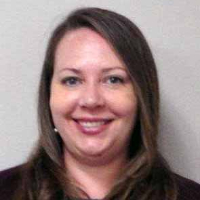


Rebekah Wolff
LPC
Wisconsin - 8 yrs exp

Janet Jacobs
LPC
Wisconsin - 28 yrs exp












Deia Lawrence
LPC
Wisconsin - 18 yrs exp





How blended family therapy works for Wisconsin residents
If you are part of a stepfamily, a newly merged household, or a long-standing blended family facing recurring tensions, therapy can help you build stronger relationships and clearer routines. In Wisconsin, blended family therapy often begins with an initial assessment where a therapist gathers background on family structure, parenting roles, living arrangements, and the major stressors you face. That assessment shapes an individualized plan that may include joint family sessions, couples work, and individual counseling for parents or children. Sessions focus on communication patterns, boundary-setting, co-parenting coordination, and practical strategies for blending different family cultures and expectations.
Therapists who practice in Wisconsin draw on approaches that are well-suited to blended family dynamics, such as systems-informed family therapy, emotionally focused methods, and practical problem-solving strategies. These approaches emphasize understanding interactions between family members rather than placing blame on any one person. Over time you and your therapist work toward clearer roles, predictable routines, and ways to manage conflict so day-to-day life in your home becomes more manageable and more connected.
What a typical course looks like
A typical course of blended family therapy begins with weekly or biweekly sessions, then moves toward less frequent check-ins as progress is made. Early sessions may center on creating safety for honest discussion and mapping the family’s history. As trust grows, you will practice communication exercises, role clarifications, and problem-solving techniques in session and at home. Homework may include practicing new ways to give feedback, establishing family meetings, or trying out new parenting agreements. Progress is measured by how conflicts are resolved with less escalation, how routines become more consistent, and how family members report feeling more understood and connected.
Finding specialized help for blended family issues in Wisconsin
When you search for blended family help in Wisconsin, you will find therapists who list specific experience with stepfamilies, remarriage, co-parenting after divorce, and transitions when children move between households. Look for clinicians who describe experience working with the age ranges present in your home and who identify the therapeutic models they use. Some may emphasize family systems work and include sessions with the whole household, while others may focus on couples work to strengthen the parental partnership that anchors the home.
Geographic considerations matter in Wisconsin. If you live in a larger metro area such as Milwaukee or Madison, you will likely find more in-person options with varied specialties. In smaller communities or rural counties, local therapists may still offer strong blended family experience but with fewer available slots, so online sessions can expand your choices. Green Bay residents often combine local in-person sessions with occasional virtual check-ins to address busy schedules and travel time.
Credential questions to consider
You can ask about a clinician’s licensure in Wisconsin, years of experience with blended families, and whether they have training in specific approaches such as family systems therapy, parenting coordination, or child-focused methods for blended households. It is reasonable to request a brief phone consultation to get a feel for their style and to ask how they typically structure blended family work. These conversations help you judge whether a therapist’s approach aligns with your expectations for communication and problem resolution.
What to expect from online therapy for blended family issues
Online therapy can be an effective option if you need greater scheduling flexibility or if local in-person options are limited. With virtual sessions you can include family members who live in different households, which is often useful for co-parenting conversations where parents live apart. Before starting online work, confirm the therapist’s technology requirements and how they protect session notes and communications. Expect a short orientation to the video platform and recommendations for how to set up a calm, uninterrupted space at home for the session.
During online family sessions you will still practice the same relational skills as in person - active listening, turn-taking, and structured problem-solving. Therapists may use screen-sharing to review agreements, display worksheets, or guide role-play exercises. Online work is particularly helpful when coordinating between schedules in different parts of the state, or when a family member travels frequently for school or work. If you prefer a mix, many Wisconsin clinicians offer a hybrid model of alternating in-person meetings with virtual check-ins.
Common signs you might benefit from blended family issues therapy
You might consider seeking blended family therapy if you notice ongoing patterns that interfere with daily life, such as repeated conflicts over parenting rules, persistent hostility between stepparents and stepchildren, or chronic role confusion where responsibilities are unclear. Other signs include communication breakdowns that lead to frequent arguments, children acting out as they adjust to new household members, or difficulty forming a trusting bond between new partners and children. Even when problems feel small, early support can prevent patterns from becoming more entrenched.
Therapy can also be helpful during transitions that trigger stress - remarriage, moving to a new home, high school transitions, or when a blended family gains new members through birth or adoption. In these moments you may need help designing practical routines and negotiated boundaries that respect different parenting styles and family traditions. If co-parenting across households is part of your dynamic, therapy can offer structured ways to coordinate expectations and reduce conflict when children move between homes.
Tips for choosing the right therapist for this specialty in Wisconsin
When choosing a therapist, trust your sense of fit as much as professional credentials. You should feel heard in an initial consultation and have a sense that the clinician understands the particular dynamics of blended families. Ask about their experience with the ages and configurations present in your household, and whether they include children in sessions or recommend separate work for parents and kids. In urban centers like Milwaukee and Madison you can often find clinicians with niche specialties such as parenting coordination or attachment-focused work, so use that to your advantage.
Consider practical factors such as session length, availability for evenings or weekends if you have busy schedules, and whether the therapist accepts your insurance or offers a sliding scale. If travel is a concern, inquire about hybrid models or fully online options. You might also ask how they handle disagreements during therapy and how they help families create sustainable plans after active treatment ends. A clear plan for follow-up and relapse prevention helps ensure gains hold up when stressors arise in daily life.
Local considerations and resources
Wisconsin families benefit from regional resources like parenting workshops, community family centers, and support groups that can complement therapy. Cities such as Milwaukee and Madison often host workshops focused on co-parenting, communication skills, and family transitions, which can provide practical tools between therapy sessions. If you live outside major cities, local clinics or university training centers may offer affordable options and a range of clinician backgrounds. Combining therapy with community resources can reinforce the skills you practice in session.
Choosing a therapist is an important step, and it may take meeting with a few clinicians to find the right match. When you connect with someone who understands the pace of life in Wisconsin and the particular stresses of blended households, you will be better positioned to make meaningful changes. Therapy is a process that supports communication, role clarity, and emotional connection - and with the right approach it can help your blended family build a more cooperative and resilient home life.