Find an Autism Therapist in Wisconsin
This page features therapists in Wisconsin who focus on autism assessment, intervention, and ongoing support for children, teens, and adults. Use the directory below to review specialties, locations, and service formats. Browse listings to find clinicians who match your needs and request a consultation.









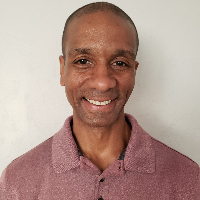
Jennafer Matthews
LPC
Wisconsin - 11 yrs exp














How autism therapy works for Wisconsin residents
When you start looking for autism therapy in Wisconsin, the process typically begins with an evaluation to understand strengths, challenges, and priorities. That evaluation may come from a psychologist, licensed clinician, speech-language pathologist, or developmental specialist. From there, a personalized plan is developed to address communication, social skills, behavior, sensory needs, or other areas identified during assessment. Therapy can be short-term and focused on a particular skill or longer-term to support developmental goals across home, school, and community settings.
Therapists in Wisconsin often work in collaboration with families, schools, and medical providers to create consistent supports. If you have a child in the public school system, the educational team may also conduct evaluations and develop an individualized education plan that complements clinical therapy. For adults, goals may center on improving daily living skills, employment supports, friendships, or mental health. No matter your age, the aim of therapy is to give you practical tools that fit your life in Wisconsin - whether you live in a city neighborhood or a more rural town.
Finding specialized help for autism in Wisconsin
Where specialists are commonly located
Major population centers like Milwaukee and Madison tend to have a greater concentration of clinicians with specialized training in autism, including providers who work with complex presentations or co-occurring conditions. Green Bay and other regional hubs also host experienced teams, while telehealth has expanded access across smaller communities. When you search for a therapist, you can look for clinicians who list autism-related experience, certifications, or training in applied behavior analysis, speech therapy, or developmental therapies.
What to look for in a specialist
As you evaluate potential providers, consider their experience working with your specific age group and with the kinds of challenges you want to address. Some clinicians focus on early childhood development, others on adolescent transitions, and others on adult supports. Training and ongoing professional development in autism-informed interventions can be helpful, as can a demonstrated ability to coordinate with schools, occupational therapists, and other professionals. You may also want to ask about cultural competence and whether the therapist has experience serving families from diverse backgrounds across Wisconsin.
What to expect from online therapy for autism
How telehealth sessions typically run
Online therapy for autism can take several forms depending on the goals. Sessions may involve direct interaction with you or your child, coaching for caregivers, or joint sessions that include school staff. You should expect a structured plan and clear objectives for each session, with activities adapted to an online format when appropriate. For young children, clinicians often coach parents to implement strategies during everyday routines. For adolescents and adults, online sessions can support social skills practice, emotional regulation strategies, and problem solving related to work and relationships.
Technology and practical considerations
To get the most from online sessions, choose a quiet, comfortable environment with a reliable internet connection and minimal distractions. Therapists will typically use platforms that protect health information and will describe how they manage records and communications. You should discuss session length, homework or between-session practice, and how progress will be measured. Many providers offer a mix of in-person and online appointments, which can be especially helpful if you need hands-on assessments or direct services in addition to coaching and therapy delivered remotely.
Common signs that someone in Wisconsin might benefit from autism therapy
People seek autism therapy for a wide range of reasons. Early signs in young children can include limited eye contact, delayed speech or language development, repetitive behaviors, and challenges with changes in routine. School-aged children may struggle with social interactions, have difficulty understanding nonverbal cues, or experience sensory sensitivities that interfere with learning. Teens and adults might seek support for social relationships, employment challenges, anxiety, or navigating transitions such as moving out or entering college.
If you notice ongoing differences in communication, social connection, or behavior that affect daily life, a screening or assessment can clarify whether autism-related supports would be helpful. In Wisconsin, assessments may be available through pediatricians, community clinics, university programs, or private practitioners. Seeking an evaluation does not commit you to a particular path - it simply gives you information to make choices about supports and services that align with your goals.
Tips for choosing the right therapist for this specialty in Wisconsin
Ask about experience and approach
When you contact a therapist, ask about their specific experience with autism and the populations they serve. Inquire how they measure progress and how they tailor interventions to individual needs. It is reasonable to ask for examples of the kinds of strategies they use and how they involve families or other supports. A clear explanation of their approach will help you decide whether their style fits your preferences and priorities.
Consider coordination with schools and community services
Many people benefit from a team approach that includes educational resources, community programs, and clinical services. If your child attends school in Wisconsin, ask how the therapist collaborates with teachers and special education staff to align goals and strategies. For adults, discuss potential referrals to vocational supports or community groups. Choosing a therapist who understands local resources in Milwaukee, Madison, Green Bay, or other areas can make it easier to link therapeutic goals to real-world opportunities.
Practical matters - access, payment, and fit
Practical factors often shape the decision. Confirm whether the clinician is licensed to practice in Wisconsin and whether they offer sessions in person, online, or a combination. Ask about fees, insurance billing, and the availability of sliding-scale options if cost is a concern. Finally, trust your sense of fit - the relationship between you and your therapist matters. If you do not feel heard or understood during initial sessions, it is okay to look for another clinician whose style and communication suit you better.
Making the first appointment and next steps
To begin, collect any relevant records such as school evaluations, previous assessments, or medical notes and share them with the clinician. Set realistic short-term goals for the first few months and plan regular check-ins to review progress and adjust strategies. If you live in a region with fewer in-person options, telehealth can broaden your choices and allow you to work with specialists based in larger cities. Over time, you may layer supports such as speech therapy, occupational therapy, behavioral consultation, or social skills groups as needs become clearer.
Finding the right autism therapist in Wisconsin is a process that combines practical considerations, clinical expertise, and personal fit. By asking informed questions, using the directory to compare profiles, and considering both local and online options, you can identify a clinician who helps you move toward the daily improvements and goals that matter most to you and your family.