Find a Grief Therapist in West Virginia
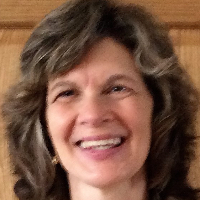
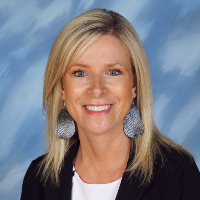
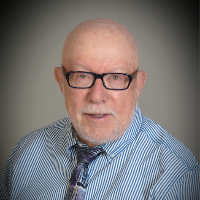
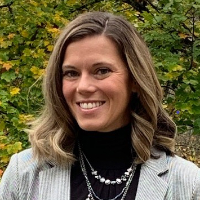
This page lists therapists who focus on grief and bereavement in West Virginia. You can review therapist profiles, read about their approaches, and browse providers serving both urban centers and rural communities.
Use the listings below to find grief-focused care in locations that work for you and reach out to schedule an introductory appointment.




















How grief therapy works for West Virginia residents
Grief therapy helps you process loss in a way that fits your life and your story. In West Virginia, therapists blend evidence-based methods with an awareness of local culture and community values, guiding you through mourning, meaning-making, and rebuilding a day-to-day routine. Sessions typically focus on understanding your relationship with the person or situation you lost, learning coping strategies for intense emotions, and creating goals for moving forward at a pace you choose. Some therapists emphasize narrative and meaning-centered work, helping you integrate memories and new roles into your life. Others use cognitive-behavioral approaches to address unhelpful thoughts and patterns that make daily functioning harder.
Therapeutic formats and settings
You can expect grief therapy to be offered in several formats across West Virginia. Many clinicians provide individual work, which lets you explore personal feelings in depth. Group grief therapy is also common, bringing together others who are navigating loss so you can exchange support and perspectives. Family or couples sessions may be available when a loss has affected household dynamics or parenting. In cities such as Charleston, Huntington, and Morgantown you will find clinics that offer both traditional office appointments and teletherapy options, while in smaller towns some therapists work from community health centers or collaborate with local hospices.
Finding specialized help for grief in West Virginia
When you look for a grief specialist, consider clinicians who list bereavement, loss, or complicated grief in their areas of focus. In West Virginia, specialization can mean experience with losses common to the region - for example losses related to chronic illness, overdose, accidents, or the effects of long-term caregiving. Therapists often describe their training and experience on their profiles, including certifications, continuing education in bereavement care, and familiarity with community resources like hospice programs and support networks.
Because some parts of the state are rural, you may find it helpful to search for providers who offer flexible appointment times or hybrid care models. If you live near larger population centers, you will have more options for in-person care, while residents in outlying areas may prefer clinicians who provide remote sessions. Local faith communities and nonclinical support groups can also complement therapy if you want social or spiritual outlets alongside clinical work.
What to expect from online therapy for grief
Online therapy can make grief care more accessible, especially if traveling to an office would be difficult. In teletherapy sessions you will meet with a therapist using video or phone calls, and some clinicians offer messaging between sessions for brief check-ins. You can expect an initial session to focus on your story and needs - you and the therapist will discuss goals, session frequency, and how to handle moments of strong emotion during remote work. Therapists often provide tools you can use between sessions, such as grounding exercises, journaling prompts, or structured memory work.
Technology and connectivity vary across West Virginia, so you may want to confirm the platform the therapist uses and whether they can accommodate phone-only sessions if internet service is unreliable. Many therapists are experienced in adapting techniques for remote delivery so that the work remains personal and practical even when you are not in the same room.
Common signs that someone in West Virginia might benefit from grief therapy
You might consider grief therapy if loss is affecting your ability to handle daily responsibilities, maintain relationships, or enjoy things you used to. You may experience persistent sadness that does not lessen over time, recurring intrusive memories, or feelings of numbness that make it hard to connect with others. Some people notice changes in sleep, appetite, or energy levels, while others turn to increased alcohol or substance use to manage intense emotions. Avoiding reminders of the person who died or withdrawing from social activities can also be signs that extra support would help.
Grief looks different for everyone, and you do not need to meet a particular threshold to seek help. If you are finding it difficult to function, feel overwhelmed by emotions, or worry that your grieving process is moving in a direction you did not expect, talking with a therapist experienced in bereavement can provide perspective, coping skills, and a plan for healing that respects your pace and values.
Tips for choosing the right grief therapist in West Virginia
Start by identifying what matters most to you in therapy. You might prioritize a therapist who has specific training in bereavement, someone who shares a similar cultural or faith background, or a clinician with experience helping people through the type of loss you faced. Read therapist profiles to learn about therapeutic approaches, typical session length, and whether they meet in person or online. When you contact a provider, ask about their experience with grief that feels like yours and how they structure the first few sessions - many therapists will offer a brief phone consultation so you can see if it feels like a good fit.
Practical considerations are important too. Check whether a therapist accepts your insurance or offers a sliding scale if cost is a concern. If you live near Charleston, Huntington, or Morgantown you may have more options for evening or weekend appointments, while in smaller communities you might prioritize clinicians who offer remote sessions or flexible scheduling. Trust your instincts about rapport - feeling understood and heard in the first few encounters is often the best indicator that a therapist will be helpful.
Local considerations in West Virginia
West Virginia's close-knit communities can be a source of strength and also influence how you navigate grief. You may find comfort in local rituals, community remembrance events, or support groups offered through hospices and churches. Therapists familiar with the region can help you connect these community resources with clinical care. If your loss is tied to complicated local issues - such as the impact of chronic illness, accident, or addiction - seek a clinician who understands those contexts and the additional challenges they can bring to grieving.
For students and younger adults in college towns like Morgantown, campus counseling centers can provide immediate access while you explore longer-term options. For families in more rural counties, therapists who collaborate with local health clinics and social services can provide coordinated support that fits your daily life. Wherever you are in the state, you have options for combining therapeutic approaches, community support, and practical assistance to help you through a difficult season.
Next steps and what to expect when you reach out
When you are ready to take the next step, use the listings on this page to compare therapists' approaches, availability, and service areas. Reach out to set up an introductory call or session to ask about their experience with grief, their approach to goals and treatment length, and what they recommend for early coping. You can expect the first few sessions to be assessment-focused as you and the therapist determine the best path forward. Over time, therapy can help you make sense of loss, rebuild routines, and find ways to honor what was lost while moving forward with intention.
Remember that asking for help is a sign of strength and that grief is a process rather than a problem to be fixed instantly. Whether you prefer in-person care in Charleston, Huntington, or Morgantown, or a therapist who works with you online from a distance, finding the right match can make a meaningful difference in how you live with loss and continue toward healing.