Find a Trauma and Abuse Therapist in Washington
This page highlights therapists across Washington who focus on trauma and abuse, including practitioners offering in-person and online sessions. Explore listings below to compare specialties, approaches, and locations to find a clinician who fits your needs.



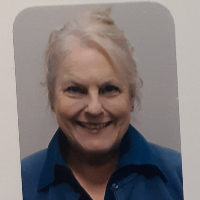




Patricia Sumlin
LMFT
Washington - 25 yrs exp












How trauma and abuse therapy works for Washington residents
If you are looking for help after experiencing trauma or abuse, therapy is a process that centers on your safety, pacing, and goals. In Washington, clinicians who specialize in trauma draw on a range of evidence-informed approaches to support recovery and resilience. You will typically begin with an initial assessment where the therapist learns about what happened, how it affects your daily life, and what you hope to change. From there, a treatment plan is developed that may include techniques to help you manage symptoms, process difficult memories at a pace that feels manageable, and rebuild a sense of control and self-worth.
Therapy is collaborative - you and your therapist will check in on progress and adjust the approach as needed. For many people, early work focuses on stabilization - learning tools to reduce overwhelming feelings and improve functioning - before moving into deeper therapeutic work that addresses the impact of traumatic experiences on relationships, identity, and daily routines.
Finding specialized help for trauma and abuse in Washington
When searching for a therapist in Washington, look for clinicians who list trauma, abuse, or related specialties in their profiles. You may find professionals trained in trauma-focused cognitive behavioral therapy, eye movement based methods, somatic approaches that work with the body, attachment-informed therapies, or integrative modalities that combine talk work with skills training. Experience with specific types of abuse - such as childhood abuse, intimate partner violence, or community violence - can be relevant, especially if you want someone who understands the dynamics involved.
Location matters for access and convenience. If you live near Seattle, Spokane, Tacoma, Bellevue, or Vancouver, you will likely find a range of local practitioners offering in-person sessions. In more rural parts of the state, many therapists offer telehealth to expand access. It can be helpful to read therapist bios to learn about their training, populations they serve, and how they describe their approach to trauma work. You can also consider contacting local community centers or advocacy organizations for recommendations and resources that align with your needs.
What to expect from online therapy for trauma and abuse
Online therapy has become a common option for people in Washington seeking trauma-informed care. If you choose remote sessions, expect many of the same elements as in-person therapy - assessment, goal setting, skills-building, and compassionate processing - but delivered through video or phone. Online work can be especially useful if transportation, scheduling, or geographic distance make in-person visits difficult, and it allows you to connect with specialists who may not be nearby.
Before you begin online therapy, verify that the therapist is licensed to practice in Washington. Ask about how they manage privacy during virtual sessions and what platforms they use for communication. Discuss safety planning with your clinician, especially if you are processing recent abuse or feel at risk. You may find that some therapists combine online and occasional in-person sessions if that supports your healing. Online therapy can be a flexible option, but it works best when you have a quiet, private place for sessions and a reliable internet connection.
Common signs you might benefit from trauma and abuse therapy
Trauma affects people in different ways. You might consider seeking trauma-focused therapy if you notice persistent patterns that interfere with your well-being. These can include intrusive memories or flashbacks that pop up unexpectedly, nightmares that disturb your sleep, or intense emotional reactions to situations that others might not find provoking. Avoidant behaviors - such as withdrawing from loved ones or avoiding places that remind you of the event - can also be a sign that processing the experience would be helpful.
Other indicators include chronic anxiety or hypervigilance, feeling numb or disconnected from your emotions, sudden bursts of anger, or difficulties with trust and intimacy. Physical symptoms like persistent tension, headaches, or gastrointestinal issues can accompany traumatic stress. If past abuse affects your relationships, self-image, or ability to work and engage in daily life, therapy can provide support and strategies to rebuild functioning and meaning.
Tips for choosing the right trauma and abuse therapist in Washington
Choosing a therapist is a personal decision and it helps to consider both professional qualifications and personal fit. Look for clinicians who have specific training in trauma-related therapies and who describe a trauma-informed approach that emphasizes safety and respect. Pay attention to how they talk about pacing and consent - effective trauma work gives you agency over what to address and when. You may prefer a therapist who offers a strengths-based approach or one who integrates body-focused techniques, depending on what feels most comfortable to you.
Practical factors matter as well. Consider location and availability if you prefer in-person sessions, and inquire about sliding-scale fees or insurance coverage if cost is a concern. If you live in a city like Seattle or Tacoma, you might have more options for specialized care; if you are farther from urban centers, telehealth can open access to experienced therapists. It is reasonable to request a brief consultation call to get a sense of a therapist's style and to ask about their experience with trauma and abuse. Trust your instincts - feeling heard and respected in that first interaction is an important sign.
Working with specific populations and cultural considerations
Washington is diverse, and trauma experiences are shaped by culture, identity, and community. You may want a therapist who understands how race, gender, sexuality, immigration status, disability, and other identities influence the impact of trauma and the healing process. Clinicians who advertise cultural competence or who have experience working with specific populations can offer more nuanced support. If you are part of a community that values certain healing traditions, discuss how those practices might be integrated into therapy.
Safety planning and community resources
If you are dealing with recent abuse, a therapist can help you create a safety plan and connect you with local resources. Washington has community organizations, hotlines, and advocacy programs that offer support for survivors of domestic violence and sexual assault. You do not need to navigate these options alone - a skilled therapist can help you identify immediate resources, legal supports, or shelter services if needed. Even when abuse occurred long ago, linking with local survivor networks can reduce isolation and provide practical assistance.
Taking the next step
Searching for trauma and abuse therapy can feel overwhelming, but taking a first step - whether that is reaching out for an initial consultation or exploring online options - can begin a path toward relief and growth. If you are in Seattle, Spokane, Tacoma, Bellevue, Vancouver, or elsewhere in Washington, use listings to compare therapists' specialties, approaches, and availability. Remember that the fit between you and your therapist matters as much as credentials, and it is acceptable to try a session or two and then reassess. With the right support, you can find ways to manage symptoms, process painful experiences, and build greater safety and well-being in your everyday life.