Find a Narrative Therapy Therapist in Washington
Narrative Therapy helps people separate problems from their identity by exploring the stories they live by and creating alternative, more empowering narratives. You can find Narrative Therapy practitioners throughout Washington - from Seattle and Bellevue to Spokane and Tacoma - and browse the listings below to connect with a therapist who fits your needs.




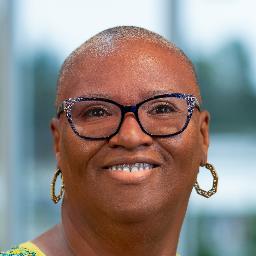
Patricia Sumlin
LMFT
Washington - 25 yrs exp











What Narrative Therapy Is
Narrative Therapy is an approach that centers on the stories people tell about their lives. Rather than seeing difficulties as fixed traits, Narrative Therapy invites you to look at how problems become woven into your sense of self and to identify moments when those problems did not have the power they seem to have today. Practitioners work with you to externalize issues - in other words, to talk about a problem as something distinct from who you are - and to explore the cultural, relational, and personal influences that shape the story you are living.
Key principles behind the approach
At its heart, Narrative Therapy emphasizes collaboration, curiosity, and respect for your expertise in your own life. Therapists help you map the influence of dominant stories and identify exceptions - times when the problem did not dominate your actions or choices. This process creates room for alternative stories that reflect your values, strengths, and preferred ways of relating. The approach is strengths-based and tends to be adaptable across age groups and life situations.
How Narrative Therapy Is Used by Therapists in Washington
Therapists across Washington apply Narrative Therapy in a range of settings, from community clinics to private practice and online sessions. In urban centers like Seattle and Bellevue, clinicians may combine Narrative Therapy with other approaches to address the complexity of work, family, and cultural identity. In Spokane and Tacoma, you may find therapists who emphasize narrative techniques within family work or community-focused practices. Across the state, practitioners often tailor narrative interventions to the local context - for example, attending to cultural stories, regional stressors, and the social systems that influence your life.
Integration with other methods
Narrative Therapy is commonly integrated with other therapeutic perspectives to support your goals. A therapist might use narrative conversations to reframe an issue and then draw on skills-based strategies to support day-to-day coping. When you explore your story, it becomes easier to identify specific steps you want to take, and therapists can guide you in creating practical plans that align with the narratives you wish to strengthen.
What Issues Narrative Therapy Is Commonly Used For
You will find Narrative Therapy used for many concerns where the stories you tell affect how you feel and act. People often use it to address relationship patterns, identity questions, feelings of shame or self-criticism, life transitions, and recurring problems that seem tied to a long-standing narrative. Narrative approaches are also helpful when cultural narratives - such as expectations about gender, family roles, or work success - shape the choices available to you. Because it focuses on meaning and identity, Narrative Therapy can be a good fit if you want to change how you interpret your experiences rather than only managing immediate symptoms.
What a Typical Narrative Therapy Session Looks Like Online
When you book an online Narrative Therapy session in Washington, you can expect a conversational, reflective experience. Sessions usually begin with a check-in where the therapist invites you to describe what brought you to therapy and what you hope to change. The therapist will listen closely to the language and metaphors you use, because those words often reveal the stories that are guiding your life.
In an online session, the therapist may encourage you to externalize the problem by giving it a name or metaphor, which creates distance and makes it easier to examine how the issue operates. You might be asked to describe times when the problem was less present, or to tell a story about a moment when you acted in line with your values. The therapist will use questions that help you notice exceptions to the dominant story and will gently explore the effects of social and cultural influences.
Practically speaking, online Narrative Therapy uses secure video or phone tools chosen by the therapist, and sessions typically last 45 to 60 minutes. You will want to choose a quiet, comfortable environment for your session where you can speak freely. Many Washington therapists will offer a mix of online and in-person appointments depending on local practice and your needs. Online sessions make it easier to connect with clinicians across the state, so you can work with someone in Seattle or a practitioner based in Spokane without geographical constraints.
Who Is a Good Candidate for Narrative Therapy
Narrative Therapy tends to suit people who are curious about how stories shape their lives and who are motivated to explore meaning and identity. If you feel stuck in a recurring pattern, struggle with self-critical narratives, or want to reframe how you relate to a problem, Narrative Therapy may be a helpful approach. It can be used with individuals, couples, families, and groups, and therapists adapt the process to meet developmental and cultural needs. Narrative work is often collaborative, so you should expect to be an active participant in shaping the direction of therapy.
How to Find the Right Narrative Therapy Therapist in Washington
Finding a therapist who fits your needs involves more than choosing an approach - it includes practical considerations like location, availability, and the therapist's areas of experience. Start by reading profiles to learn how therapists describe their work and their populations of focus. Look for clinicians who explicitly mention Narrative Therapy or narrative-informed practices, and pay attention to whether they highlight work with issues similar to yours, such as relationship dynamics, identity exploration, or cultural narratives.
You should also consider logistics that matter to you. If you prefer in-person work, search for practitioners in cities like Seattle, Tacoma, Bellevue, Spokane, or Vancouver. If scheduling is a concern, online sessions can expand your options and help you connect with therapists whose hours match your life. Ask about session length, fees, sliding scale options, and whether they work with your insurance if that is important to you. When you reach out, a brief phone or email conversation can give you a sense of the therapist's communication style and whether you feel comfortable with their approach.
Questions to guide your search
When you contact a potential therapist, you might ask how they use Narrative Therapy in practice and what a typical course of work might look like for someone with your concerns. Inquire about cultural competence if identity or cultural stories are central to your situation. You might also ask how they measure progress and what collaborative steps they take to ensure the work aligns with your goals. These conversations help you assess whether a therapist's style and experience match what you are seeking.
What to Expect Over Time
Progress in Narrative Therapy often looks like small but meaningful shifts in how you describe yourself and your choices. You may notice that you start to speak differently about a problem, identify times when you acted against an unhelpful narrative, and gradually make decisions that reflect a preferred story. Therapy may be brief for focused goals or longer term when identity questions run deep. You and your therapist will check in about goals and adjust the work as your needs evolve.
If you are ready to explore Narrative Therapy, take time to review practitioner profiles and consider a short introductory session to see if the fit feels right. With thoughtful selection and collaborative work, Narrative Therapy can open new possibilities for how you understand your life and move forward with intention in Washington's diverse communities.