Find a Cognitive Behavioral Therapy (CBT) Therapist in Washington
Cognitive Behavioral Therapy (CBT) is a structured, evidence-informed approach that helps people identify and shift unhelpful thoughts and behaviors. Find qualified CBT practitioners across Washington listed below and browse profiles to learn about their methods and availability.
Use the listings to compare clinicians, review specialties, and contact therapists who offer the style of care you prefer.



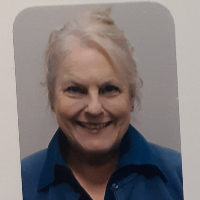






Patricia Sumlin
LMFT
Washington - 25 yrs exp














What is Cognitive Behavioral Therapy (CBT)?
Cognitive Behavioral Therapy is a goal-oriented form of talk therapy that focuses on the connection between thoughts, feelings, and behaviors. The approach is based on the idea that patterns of thinking influence how you respond to events and relationships. Instead of focusing solely on past events, CBT emphasizes present-day thinking and behavior, helping you develop practical skills to manage distressing symptoms and respond to life challenges in healthier ways.
Principles Behind the Approach
At the heart of CBT are a few core principles. First, your thoughts influence your emotions and actions. Second, many unhelpful patterns are learned and therefore can be changed. Third, therapy is collaborative - you and your therapist work together to identify specific goals and practice new strategies. Sessions are often structured and include skill-building exercises, practice assignments between sessions, and regular review of progress. The result is a pragmatic set of tools you can apply outside the therapy room to handle everyday stressors and recurring difficulties.
How CBT is Practiced by Therapists in Washington
Therapists in Washington use CBT in a variety of settings, including private practices, community mental health centers, and clinics affiliated with larger health systems. In urban areas like Seattle and Bellevue, clinicians may offer a wide range of CBT-informed programs for adults, adolescents, and families. In cities such as Spokane, Tacoma, and Vancouver, you can also find experienced practitioners who adapt CBT to the needs of local communities. Many therapists combine CBT with other evidence-based techniques to address specific concerns, while maintaining the core focus on thought processes and behavioral change.
In Washington, clinicians typically list their training and credentials in their profiles, which helps you evaluate who uses CBT as a primary modality and who integrates it into broader treatment plans. Because CBT is adaptable, therapists often tailor exercises to your situation - for example, combining exposure practices with cognitive restructuring for anxiety, or behavioral activation with problem-solving for depressive symptoms.
Issues Commonly Addressed with CBT
CBT is commonly used to address a wide range of concerns that people seek help for. Anxiety-related problems, including generalized anxiety, social anxiety, panic, and specific phobias, are frequent reasons people pursue CBT. Mood-related concerns such as low mood and loss of motivation are also commonly treated with CBT techniques that focus on activity scheduling and identifying unhelpful thought patterns. Other areas where CBT is frequently applied include stress management, obsessive-compulsive symptoms, insomnia, relationship distress, and certain eating-related behaviors. Therapists also adapt CBT strategies to support coping with chronic health conditions or work-related stress.
While CBT has broad applicability, the specific techniques used can vary depending on your goals. Some therapists emphasize exposure and response prevention for anxiety, while others focus on cognitive restructuring and behavioral experiments to test beliefs. Discussing a therapist's approach during an initial conversation can clarify how their version of CBT aligns with what you want to accomplish.
What a Typical CBT Session Looks Like Online
An online CBT session often follows a predictable, efficient structure that aims to make the most of the time together. Sessions commonly last between 45 and 60 minutes and begin with a brief check-in about how you've been since the last meeting. You and the therapist will review any homework or practice exercises, discuss what went well and what was difficult, and then introduce new skills or strategies relevant to your current goals. The therapist may ask you to complete thought records, run a behavioral experiment, or role-play a difficult conversation during the session. You will leave with clear practice tasks to try between sessions so that learning continues in real-life situations.
Online sessions in Washington are convenient for people in both urban and rural communities. Many clinicians in Seattle and Tacoma provide teletherapy options that reduce travel time and increase access. When choosing online care, it is helpful to confirm how the clinician manages scheduling, missed sessions, and follow-up support so expectations are clear from the start.
Who Is a Good Candidate for CBT?
CBT tends to be a good fit for people who prefer a practical, skills-based approach and those who are willing to engage in exercises between sessions. If you value clear goals, measurable progress, and learning strategies you can use independently, CBT can be a strong option. It is often recommended for people experiencing anxiety, mood difficulties, and stress-related problems, but many people with other concerns also find the structured nature of CBT helpful.
That said, CBT is not the only approach and may not match everyone's preferences. If you prefer a less structured format or want to focus extensively on past experiences and relational dynamics, you might explore therapists who integrate other methods. A brief consultation with a clinician can help determine if their CBT approach aligns with your expectations and needs.
How to Find the Right CBT Therapist in Washington
Begin by reading therapist profiles to learn about training, areas of specialty, and stated approaches. Look for clinicians who explicitly mention CBT or cognitive behavioral techniques, and note whether they have experience with your particular concern - for example, anxiety, trauma-informed work, or adolescent therapy. Pay attention to credentials and licensure, and confirm that the clinician is licensed to practice in Washington if you plan to receive ongoing in-person or telehealth care. This is an important step to ensure that the provider meets state regulatory requirements.
Consider practical factors such as location if you plan to meet in person - Seattle and Bellevue offer many choices, while communities in Eastern Washington may have fewer local options. If scheduling is a priority, check availability for evening or weekend sessions. Cost and insurance coverage are also significant; many therapists list accepted insurance plans or sliding-scale options in their profiles. You may want to meet with one or two clinicians for an initial consultation to assess fit - notice how comfortable you feel discussing goals, whether the therapist explains their approach clearly, and whether they offer a plan that feels realistic for your life.
Cultural fit and therapist style also matter. Some clinicians emphasize structured homework and measurable goals, while others blend CBT with more relational work. If belonging to a particular community or facing identity-related concerns is important to you, search for clinicians who highlight experience working with similar backgrounds. In cities like Spokane and Tacoma, local therapists might have a nuanced understanding of regional stressors and community resources that can inform treatment.
Starting Therapy and Next Steps
Once you identify a potential therapist, reach out to ask a few specific questions about their CBT experience, typical session structure, and approach to progress tracking. Many therapists offer brief phone or video consultations to help you determine whether to proceed. Preparing a short list of goals or examples of the situations you want to change can make the initial sessions more productive. Whether you connect with a clinician in Seattle, Spokane, Tacoma, Bellevue, or Vancouver, taking the first step to explore CBT options can help you find an approach that fits your needs and lifestyle.
Cognitive Behavioral Therapy offers a practical framework for understanding and changing unhelpful patterns. With the variety of practitioners listed for Washington on this site, you can compare styles, availability, and specialties to choose a therapist who aligns with your goals and preferences. When you feel ready, reach out and begin the conversation about the changes you want to make.