Find an HIV / AIDS Therapist in Washington
This page highlights therapists in Washington who focus on HIV / AIDS related emotional and psychosocial care. Browse the listings below to compare clinicians serving Seattle, Spokane, Tacoma and other local communities.

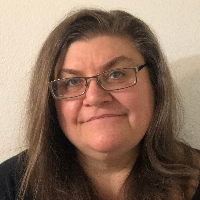
Patricia Sumlin
LMFT
Washington - 25 yrs exp














How HIV / AIDS Therapy Works for Washington Residents
Therapy for people living with HIV or coping with an AIDS diagnosis is focused on emotional wellbeing, practical coping strategies, and strengthening relationships. In Washington, therapists work with clients across stages of care - from initial diagnosis adjustment to long-term management of stress, grief, or relationship concerns. You will likely discuss how HIV intersects with your daily life, such as medication routines, disclosure decisions, sexual health, and the social implications of living with a stigmatized condition. A therapist helps you develop tools to manage anxiety, depression, trauma symptoms, and the ongoing stress that can arise when navigating healthcare systems and social networks.
Sessions can include talk therapy, skills training, and coordination with other providers when appropriate. Therapists often use evidence-informed approaches such as cognitive behavioral therapy to address patterns of negative thinking, trauma-informed care to work gently through painful experiences, and acceptance-based methods to help you live in line with your values despite difficult circumstances. The goal is to support your resilience and ability to function well in the settings that matter most to you - at work, in relationships, and in the community.
Finding Specialized Help for HIV / AIDS in Washington
Finding a therapist with experience in HIV / AIDS care can make a meaningful difference. In urban centers like Seattle and Bellevue, you are likely to find clinicians with focused training in sexual health, medication adherence support, and queer-affirming care. In Spokane, Tacoma, Vancouver and other parts of the state, clinicians may have strong experience working with rural or suburban populations and can help with access challenges that arise outside major metropolitan areas. When you search listings, look for clinicians who mention experience with chronic health conditions, sexual health counseling, trauma, or LGBTQ+ care.
Consider contacting local clinics, community health centers, or advocacy organizations to ask for referrals if you prefer a therapist who is familiar with regional services and resources. Some therapists also have experience collaborating with HIV case managers, infectious disease clinics, and social service agencies, which can be helpful if you want coordinated support across medical and psychosocial needs. If language access matters to you, search for clinicians who offer sessions in the language you speak or who use interpreters as part of care.
What to Expect from Online Therapy for HIV / AIDS
Online therapy is widely used in Washington and can expand access to specialized clinicians who may not be nearby. If you live outside Seattle or another major city, teletherapy can connect you with providers who have specific expertise in HIV / AIDS therapy without requiring a long commute. When you choose online sessions, you can expect similar therapeutic approaches to in-person work - the main difference is the technology and the environment. Many therapists offer flexible scheduling, which can help if you have medical appointments, work commitments, or caregiving responsibilities.
During an online session, your therapist will enquire about your current challenges, supports, and goals, much like in-person care. They will work with you to create strategies that fit your life, including communication plans for disclosure, coping strategies for stigma and isolation, and routines that support overall wellbeing. It is important that you choose a setting at home or elsewhere where you feel comfortable talking honestly - a quiet room or another location where interruptions are minimized. If technology or broadband access is a concern where you live, discuss alternatives such as phone sessions or hybrid models with the therapist.
Licensure and Legal Considerations
Therapists must be licensed to provide mental health care in Washington. If you are using teletherapy and your therapist is located out of state, confirm that they are authorized to provide services to clients in Washington. Ask about how records are stored and how your clinical needs will be handled between virtual and in-person services. These practical details help ensure continuity of care and clear expectations for sessions.
Common Signs You Might Benefit from HIV / AIDS Therapy
People pursue therapy for a variety of reasons, and you may find it helpful whether you were recently diagnosed or have been managing HIV for years. If you notice persistent low mood, anxiety about disclosure, trouble adhering to medication routines, or difficulty sleeping, these are common entry points for therapy. You might also seek support after a recent health crisis, changes in relationships, or experiences of stigma and discrimination that have left you feeling less connected to others.
Therapy can also be valuable if you want help navigating sexual health conversations, managing the emotional impact of medical news, or strengthening communication with partners and family members. If you experience symptoms of trauma, find yourself avoiding certain places or people, or notice that stress is affecting your work or social life, a clinician experienced with HIV-related issues can tailor an approach to your needs. Even if your concerns feel primarily practical - for example, how to tell a new partner about your status - a therapist can help you develop a plan that feels manageable and aligned with your values.
Tips for Choosing the Right Therapist in Washington
Choosing a therapist is a personal process, and it helps to be clear about what matters most to you. Consider whether you want someone who identifies with the LGBTQ+ community, has experience with people of color, or understands the cultural context of your community in Seattle, Spokane, Tacoma or elsewhere in the state. You may prioritize a clinician who has experience with medical care coordination, couples therapy, or trauma-informed approaches. It is reasonable to ask potential therapists about their experience working with HIV / AIDS, typical therapeutic approaches, and how they measure progress in therapy.
Practical matters are important as well. Check whether a therapist accepts your insurance or offers a sliding scale fee, what their cancellation policy is, and whether they offer evening or weekend appointments if you need them. For online care, confirm the technology they use and whether they can accommodate phone sessions if internet access is unreliable. Many therapists offer an initial consultation - often brief and low-cost or free - which gives you an opportunity to sense whether the clinician feels like a good fit.
Trust and Cultural Fit
Trust grows over time, but first impressions matter. You should feel listened to and respected from the first session. If you notice a lack of understanding around issues that are important to you - such as sexual orientation, cultural background, or the lived realities of people with HIV - it is appropriate to bring this up or to continue your search. The right therapeutic relationship is one where you feel supported in exploring difficult topics and empowered to set goals for your wellbeing.
Living Well in Washington with HIV / AIDS
Therapy is one part of a broader approach to living well with HIV. In Washington you have access to a variety of medical, social, and community resources. Therapists can help you connect with support groups, case management, legal resources, and community organizations that specialize in HIV-related services. Whether you live in an urban neighborhood near Seattle or a smaller community around Vancouver or Spokane, there are ways to weave clinical care into a broader network of support.
If you are ready to begin, use the listings on this page to compare clinician profiles, read about their specialties, and reach out for an initial consultation. Finding a therapist who understands the intersection of HIV / AIDS and your unique life context can improve your coping skills, strengthen your relationships, and help you make choices that support your overall health and wellbeing. You do not have to manage this alone - there are providers across Washington prepared to listen and assist you in the next steps.