Find a Body Image Therapist in Washington
This page lists therapists across Washington who focus on body image concerns, offering both in-person and online options. You will find clinician profiles that describe approaches, specialties, and the communities they serve. Browse the listings below to compare therapists and request a consultation.















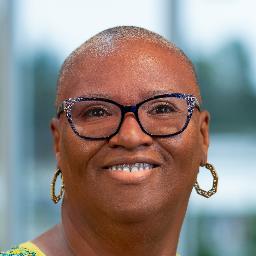




How body image therapy works for Washington residents
If you are struggling with negative thoughts about your appearance or patterns of avoidance and comparison, body image therapy offers space to explore those experiences and develop more helpful ways of relating to your body. Therapy typically begins with an assessment of your history, current concerns, and goals. From there your therapist will work with you to design a plan that fits your needs - this may include cognitive techniques to shift unhelpful beliefs, behavioral experiments to test new ways of behaving, mindfulness practices to change how you relate to sensations and thoughts, and skills to increase self-compassion.
Because Washington includes both dense urban centers and more rural communities, you can find clinicians who offer in-person appointments in places like Seattle, Spokane, and Tacoma, as well as therapists who provide care online across the state. Therapy is collaborative, so you and your provider will revisit goals and strategies as progress unfolds. If other health care providers are involved in your care, a therapist can often coordinate with them when appropriate to support your overall wellbeing.
Common approaches and techniques
Therapists who specialize in body image often draw on a range of evidence-informed approaches. Cognitive behavioral techniques can help you notice and challenge recurring negative thoughts about your body. Acceptance and commitment strategies can support living in alignment with your values even when uncomfortable body-related thoughts arise. Mindfulness and somatic practices can teach you to observe bodily sensations without immediate reaction. For those whose concerns intersect with disordered eating or trauma, therapists trained in those areas will tailor interventions to address both the distress about appearance and the related behaviors or histories. Many therapists also integrate media literacy and cultural exploration to examine how social messages about bodies shape your self-view.
Finding specialized help for body image in Washington
When searching for a therapist in Washington, consider where you want to attend sessions and what kind of clinician best fits your needs. In larger cities such as Seattle, Tacoma, and Spokane you may find a wider range of specialists, including those experienced with eating concerns, gender-affirming care, or trauma-informed body work. Smaller communities may have fewer specialty providers on-site, but online options make it possible for you to work with a clinician across the state. Look for therapists who list body image, self-esteem, or related specialties in their profiles and who describe the kinds of interventions they use.
Think about cultural fit as well. Your identity, cultural background, and life experiences influence how you relate to your body. Seek therapists who demonstrate cultural sensitivity and an understanding of factors like race, ethnicity, gender identity, age, and disability. If you want support that affirms your gender or sexual orientation, or that understands specific cultural norms in the Pacific Northwest, ask prospective providers about their experience in these areas.
In-person options across Washington
If you prefer face-to-face care, check for clinicians practicing in convenient locations. Seattle often offers diverse specialty practices and clinics that focus on body image and related concerns. In Spokane and Tacoma you can look for licensed clinicians who provide comprehensive care in outpatient settings. Bellevue and Vancouver also have therapists who may offer evening or weekend appointments to fit your schedule. Keep in mind that commuting times and parking can vary, so ask about office location and accessibility when you contact a provider.
What to expect from online therapy for body image
Online therapy has become an accessible option for many people in Washington, particularly if you live outside major metropolitan areas or need flexible scheduling. During online sessions you will typically meet via video or phone. Therapists may share worksheets, guided exercises, or recordings between sessions to support skill practice. The first session usually focuses on getting to know your history, identifying immediate concerns, and setting goals. Subsequent sessions often include a mix of talk work, experiential exercises, and homework tailored to your priorities.
When choosing online care, ask about technological requirements and privacy practices so you feel comfortable with the platform and procedures. Confirm whether the therapist is licensed to practice in Washington and whether they have experience delivering therapy remotely. Many providers will offer a brief initial consultation so you can see whether the online format and their therapeutic style suit you before committing to ongoing sessions.
Common signs you might benefit from body image therapy
You might consider seeking therapy if concerns about your body take up a lot of time, affect your mood, or interfere with daily activities. Signs that therapy could help include persistent negative self-talk about your appearance, frequent mirror checking or avoidance of mirrors, social withdrawal due to body concerns, or distressing comparisons to others. If you find yourself avoiding certain clothing, activities, or social situations because of how you feel about your body, or if eating or exercise feel driven more by shame or punishment than by health, these are important signals to explore with a professional.
Body image issues often coexist with anxiety, low mood, or difficulties with relationships. If you are noticing that your preoccupation with appearance is affecting your work, school, or connections with others, therapy can provide tools to reduce distress and improve the quality of your daily life. Therapy is not about forcing change quickly, but about helping you develop a more sustainable and gentle relationship with your body over time.
Tips for choosing the right therapist for this specialty in Washington
Start by reviewing profiles to identify clinicians who explicitly mention body image, eating concerns, or related specialties. Read provider bios to understand their training, theoretical approach, and the populations they serve. You may want to prioritize therapists who describe experience with issues similar to yours, whether that involves disordered eating patterns, body dysmorphia-like concerns, gender and body alignment issues, or recovery from trauma. Consider practical factors too - whether the clinician accepts your insurance, offers a sliding scale, or has session times that work with your schedule.
When you contact a therapist, use the initial consultation to ask about their approach to body image work, what a typical session looks like, and how they measure progress. Ask about their experience working with people in similar life stages or identities. If cultural competency or gender affirmation matters to you, bring that up directly. It is also reasonable to ask about logistics such as cancellation policies, fees, and whether they provide documentation for insurance reimbursement. Trust your instincts - a therapist's style should feel like a good match for you, and a comfortable working relationship is often the strongest predictor of helpful outcomes.
Making the first contact
Reaching out can feel daunting, but many therapists expect questions and invite prospective clients to schedule brief phone or video consultations. Use those conversations to assess whether you feel heard and respected. If the first match does not feel right, it is okay to try another clinician. Because body image work is personal, finding someone you can be candid with will support the depth of the work you want to do.
Whether you live in the heart of Seattle, in a suburban neighborhood near Tacoma, or in a more rural part of Washington, there are ways to find a clinician whose expertise and approach fit your needs. Use the listings above to review profiles, read about approaches, and reach out for a consultation. Taking the first step can help you move toward a more compassionate relationship with your body and greater ease in daily life.