Find an Aging and Geriatric Issues Therapist in Washington
This page lists therapists in Washington who specialize in Aging and Geriatric Issues, offering support for memory changes, caregiving challenges, and later-life transitions. Browse the listings below to compare expertise, areas served in Seattle, Spokane, Tacoma, and scheduling options to find a good match.




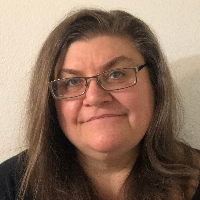
Patricia Sumlin
LMFT
Washington - 25 yrs exp






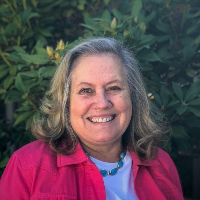
Robyn Young
LICSW
Washington - 8 yrs exp












How aging and geriatric therapy works for Washington residents
Therapy for aging-related concerns is designed to address the emotional, cognitive, and practical aspects of later life. Whether you are navigating a new diagnosis, adjusting to changes in mobility, coping with grief after the loss of a partner, or seeking strategies to support a loved one, a therapist who focuses on geriatric issues can provide structured support. In Washington you will find clinicians who combine knowledge of age-related conditions with approaches that emphasize functional goals, family involvement, and quality of life. Sessions may address mood, anxiety, memory-related stress, caregiver strain, end-of-life planning conversations, or social isolation. The work is often collaborative - you and your therapist will identify priorities, try practical strategies, and reevaluate progress over time.
Finding specialized help in Washington
When you search for a specialist in Aging and Geriatric Issues in Washington, consider where and how you want to meet with a therapist. Larger urban areas like Seattle and Bellevue tend to offer a wider range of specialists who work with older adults and their families, including clinicians experienced with dementia-related behavioral challenges and interdisciplinary care teams. In Spokane and Tacoma you can often find experienced clinicians who understand regional resources and local systems for aging services. If you live near Vancouver or in a more rural part of the state, look for therapists who offer flexible scheduling or hybrid options that combine in-person sessions with virtual visits. You can also check therapist profiles for mentions of experience with older adults, training in gerontology or neuropsychology-informed methods, and examples of work with caregivers. Referrals from primary care providers, social workers at community aging agencies, or local senior centers can help you identify clinicians who are a good local fit.
What to expect from online therapy for aging and geriatric issues
Online therapy can expand your options, especially if mobility, transportation, or regional availability limit in-person access. If you choose virtual sessions, expect an initial intake that covers your goals, medical background, and any sensory or technology needs. Many therapists will work with caregivers to set up a comfortable environment for sessions and to coordinate follow-up communication as needed. Sessions conducted online are typically conversational and goal-oriented, and can include problem-solving for daily routines, strategies to manage memory-related frustration, grief counseling, and caregiver coaching. You should discuss with your clinician how they handle brief check-ins, crisis planning, and coordination with other professionals such as primary care providers or home health services. Some therapists offer home-bound visits or community-based appointments in addition to online work, which can be helpful if you prefer face-to-face contact.
Practical considerations for virtual care
Before starting, check that your internet connection and device support video calls and that you are comfortable with the platform your therapist uses. If you have hearing or vision differences, let the therapist know so they can adapt session pacing and materials. If a family member or caregiver will join sessions, plan how they will participate and whether you want separate or joint meetings. In Washington, therapists licensed in the state are prepared to work with the legal and regulatory context that affects care delivery and referrals. Make sure you understand scheduling, cancellation policies, and how documentation or referrals are handled.
Common signs someone in Washington might benefit from geriatric therapy
There are many reasons to seek support, and you do not need to wait for a crisis to reach out. You might benefit from therapy if you notice persistent sadness, worry, or withdrawal from activities you used to enjoy. Increasing confusion, repeated questions, or changes in daily functioning that cause distress for you or for family members are valid reasons to consult a clinician. Caregivers often seek therapy when they experience burnout, resentment, or difficulty balancing caregiving with other responsibilities. Major life transitions - such as the move to an assisted living setting, the loss of driving ability, or bereavement - commonly create emotional strain that therapy can help you process. Therapy can also help when physical health changes lead to a sense of loss of independence or identity, as well as when communication within families about care decisions becomes tense or stalled.
Tips for choosing the right therapist for this specialty in Washington
Start by clarifying what you want from therapy - symptom relief, coping strategies, family communication, or planning for long-term care - and look for clinicians whose profiles mention those areas. Training and experience with older adults, dementia-informed care, palliative conversations, or caregiver support are useful indicators. You may prefer a therapist who has experience coordinating with medical teams or community aging resources in Washington, especially if you anticipate needing referrals to local services. Consider practical factors such as whether the therapist is located near you in Seattle, Spokane, Tacoma, or offers telehealth to your area, their availability for daytime or evening appointments, and whether you will work with the same clinician consistently. Language preferences, cultural background, and familiarity with issues that affect older adults in your community can make therapy more effective and comfortable.
Working with family and caregivers
Therapy for aging-related issues often involves family members or caregivers in some capacity. You can choose to have sessions focused on your needs only, joint sessions with a caregiver to improve communication and planning, or separate caregiver sessions to address stress and coping. A skilled therapist will help set boundaries, clarify roles, and create a plan to manage care needs while respecting the autonomy of the older adult. In multi-generational households across Washington, balancing differing perspectives about care and independence is a common theme that therapy can guide you through.
Paying for care and practical logistics
Payment and coverage vary. Many therapists accept private insurance, and some offer sliding-scale fees or accept Medicare supplemental plans. If cost is a concern, ask about reduced-fee options or community mental health resources in your area. You should also ask whether the therapist provides documentation for medical visits or can collaborate with your healthcare providers when coordination is needed. Transportation, parking, and accessibility may be important when you prefer in-person visits, so check office details before booking. For residents in more remote parts of Washington, online options may reduce travel burden and increase continuity of care.
Making the most of therapy
Therapy is most effective when you set realistic goals and communicate openly with your clinician. Keep notes between sessions about what strategies helped, any changes in symptoms, and questions you want to address. If a particular approach does not feel like a fit, it is reasonable to discuss alternatives or consider a different clinician whose style matches your needs. Over time you may focus on symptom management, strengthening daily routines, improving relationships, and planning for future needs, all while maintaining a focus on dignity and quality of life. Whether you live near Seattle, Spokane, Tacoma, Bellevue, Vancouver, or elsewhere in Washington, a therapist with geriatric expertise can be a partner in navigating the emotional and practical aspects of aging.
When you are ready, review the profiles below to compare areas of focus, clinical approaches, availability, and locations. A short introductory call or message can help you assess whether a therapist feels like a good fit before you schedule a first session.