Find an Addictions Therapist in Washington
This page lists licensed therapists who focus on addictions in Washington state, including listings for Seattle, Spokane, Tacoma and surrounding areas. Browse the profiles below to compare specialties, credentials, and contact options to begin your search.





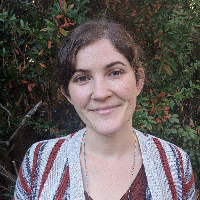
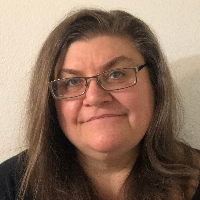
Patricia Sumlin
LMFT
Washington - 25 yrs exp













Understanding how addictions therapy works for Washington residents
If you are exploring addictions therapy in Washington, you will find that the process is focused on understanding your patterns, goals, and the practical barriers you face. Therapy often begins with an assessment that covers substance use history, the role of addictive behaviors in your life, and any co-occurring concerns such as anxiety, depression, or stress related to work and relationships. From there, a therapist will collaborate with you to develop a treatment plan that aligns with your needs - whether you are seeking short-term coping strategies or longer-term support for lifestyle changes.
Your therapist may blend counseling methods with skills training and relapse prevention planning. In many cases you will work on managing triggers, building healthier routines, and strengthening relationships that support recovery. Treatment in Washington takes place across a range of settings - private practice clinics, community mental health centers, outpatient programs, and online sessions - so you can choose an approach that fits your schedule and comfort level.
What an initial session typically covers
During a first appointment you should expect a thorough conversation about your goals and current situation. A clinician will ask about your use patterns, any previous attempts to change, your daily stressors, and supports you already have in place. This is also an opportunity for you to ask about methods the therapist uses, their experience with addictions, and how they coordinate care with other professionals if needed. The initial meeting is meant to give both you and the clinician a clear sense of whether you will work well together and how to structure future sessions.
Finding specialized help for addictions in Washington
When you look for specialized care in Washington, prioritize therapists who list addictions as a clear focus of their practice. Many clinicians have additional training in evidence-based approaches such as cognitive behavioral therapy, motivational interviewing, and contingency management. You can also look for professionals with experience addressing specific substances or behaviors, and those who have worked with populations similar to yours - for example young adults, veterans, or people balancing recovery with family responsibilities.
Geography matters for in-person care. In Seattle or Bellevue you may find more clinicians who offer evening or weekend hours, whereas communities like Spokane and Vancouver may have a different mix of outpatient services and community programs. If you need flexible scheduling because of work or transportation, consider clinicians who provide both in-person and online options so you can maintain continuity of care when life changes.
What to expect from online therapy for addictions
Online therapy can be an effective way to access addictions treatment when in-person options are limited or inconvenient. Virtual sessions typically use video or messaging formats to recreate the core elements of face-to-face therapy - assessment, counseling, skill-building, and progress review. You can expect many of the same therapeutic techniques to be adapted for an online setting, and some clinicians combine virtual sessions with in-person meetings when that is helpful.
When you try online therapy, make sure you have a quiet, comfortable environment for sessions and consider how you will manage follow-up tasks between appointments. Therapists often provide worksheets, readings, and structured exercises that you can work on independently. If you live in a rural part of Washington or have limited local options, teletherapy can connect you with specialists who have experience with the exact concerns you bring.
Common signs that someone in Washington might benefit from addictions therapy
You might consider reaching out for help if substance use or addictive behaviors are affecting your daily life, relationships, job performance, or physical health. Many people notice patterns such as increased tolerance, difficulty cutting back despite wanting to, or spending significant time obtaining and recovering from use. Changes in mood, withdrawal from social activities, or repeated legal or financial problems related to use are also common indicators that a therapeutic conversation could be useful.
It is not necessary to wait until a situation becomes severe to get support. Early intervention can help you build coping skills and make changes before problems escalate. If you are worried about someone else, look for signs like mood swings, secrecy, or neglect of responsibilities, and consider reaching out to a professional for guidance on how to approach the situation constructively.
Tips for choosing the right addictions therapist in Washington
Selecting a therapist is both practical and personal. Start by reviewing clinician profiles to confirm licensure and relevant training in addictions. Look for descriptions of therapeutic approaches that resonate with you - some people prefer structured skill-based work while others want insight-oriented therapy that explores underlying issues. You should also consider logistical factors - whether the therapist offers evening appointments, accepts your insurance, or provides telehealth sessions to accommodate your routine.
Ask potential therapists about their experience with specific concerns and populations, and whether they coordinate care with medical providers or support groups when appropriate. Many clinicians offer an initial consultation - often brief - so you can get a sense of their style and ask about outcome expectations. Trust your instincts about the therapeutic relationship; feeling understood and respected is a critical part of effective care.
Considering cost, insurance, and accessibility
Cost and insurance coverage vary widely across Washington. When you search listings, check whether clinicians accept your insurance or offer sliding-scale fees. Some community programs and clinics provide more affordable options or payment programs for people with limited resources. If transportation is a barrier, explore therapists who offer teletherapy or who are located near transit lines in larger cities like Seattle, Tacoma, or Bellevue.
Accessibility also includes cultural fit and language needs. You may prefer a therapist who shares or understands your cultural background, speaks your language, or has experience working with your community. Many profiles include this information so you can find a match that feels right.
Next steps and what to expect as you begin care
Once you choose a therapist, expect a period of adjustment as you and your clinician establish goals and routines. Progress may come in small steps - reducing use, managing cravings, repairing relationships, and building a healthier daily structure. Your therapist will help you measure progress and adapt your plan when life circumstances change. If you live in Seattle, Spokane, Tacoma, Bellevue, or Vancouver, you have a mix of urban and regional resources available; combining a local clinician with online follow-up can be a practical way to maintain continuity.
Reaching out for addictions support is a proactive step toward regaining control and improving overall wellbeing. Use this directory to compare profiles, read clinician descriptions, and contact therapists to arrange initial conversations. That first step often opens the door to sustainable change and a more balanced life.