Find a Young Adult Issues Therapist in Virginia
This page connects you with therapists in Virginia who specialize in young adult issues, from navigating life transitions to managing relationship and identity concerns. Browse the listings below to compare practitioners in Richmond, Virginia Beach, Arlington, and surrounding communities.











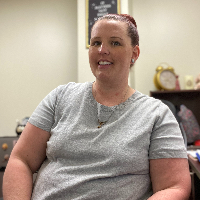









Johne Mitchell
LPC
Virginia - 11 yrs exp



How young adult issues therapy typically works for Virginia residents
When you begin therapy for young adult issues in Virginia, the process usually starts with an initial intake session where a therapist will ask about what brought you in, your history, and what you hope to get out of counseling. That first conversation helps both of you decide whether the therapist’s approach, availability, and fees match your needs. In subsequent sessions you and your clinician will set goals together and try strategies that fit your situation - whether those goals relate to college transitions, career planning, identity exploration, anxiety, or relationship skills. Therapy is a collaborative process, and over time you should notice clearer thinking about next steps and practical ways to manage stressors.
Therapists who focus on young adult issues often combine talk therapy with skill-building exercises tailored to your stage of life. They may help you map out routines, practice communication techniques, or experiment with small behavior changes to build confidence. Many providers also include resources for family communication or school and workplace accommodations when those systems play a role in your challenges.
Assessment and goal setting
The early phase of therapy emphasizes assessment and goal setting. You can expect questions about relationships, education, work, mood patterns, and substance use if relevant. A thoughtful clinician will make space for your priorities and collaborate with you on measurable, realistic goals. These goals can change as you progress - flexibility is part of the therapeutic process and helps you stay engaged.
Finding specialized help for young adult issues in Virginia
There are many ways to find a therapist who specializes in young adult concerns. If you live in or near a metropolitan area like Richmond, Arlington, or Virginia Beach, you may find clinicians with experience working at university counseling centers, community clinics, or private practices that focus on emerging adult development. Therapists who advertise specialization in young adult issues often highlight experience with transitions - such as moving out, starting a first job, or navigating romantic relationships - and they may have training in approaches like cognitive-behavioral therapy, acceptance and commitment therapy, or emotion-focused work.
Local resources can help you identify options. College town communities frequently have professionals familiar with student life, while urban centers may offer providers with experience supporting young adults in diverse workplaces and neighborhoods. If you have a preference for a clinician who understands the culture of a specific city - for instance the military-adjacent communities near Virginia Beach or the federal workforce common in Arlington - look for profiles that mention relevant experience.
Professional credentials and what they mean
Therapists in Virginia hold different credentials, such as licensed professional counselors, social workers, or psychologists. Those distinctions reflect differences in training and scope of practice. When you read a profile, you can look for information about education, licensure, and years of experience with young adult populations. If you want more clarity, you can ask a prospective therapist about their supervision, continuing education, and how frequently they work with people in your age group.
What to expect from online therapy for young adult issues
Online therapy can be a flexible option when you are balancing school, work, or variable schedules. If you choose remote sessions, you can expect a format similar to in-person work - conversations, goal setting, and practical exercises - but delivered through video or audio. Online sessions make it easier to keep continuity when you move within Virginia for school or a job, and they can expand your options beyond providers in your immediate neighborhood.
Before starting online therapy, ask about appointment length, how to handle scheduling conflicts, and how the therapist manages documentation and privacy protections. You should also confirm whether they are licensed to practice in Virginia, since that determines their legal ability to provide care across the state. If you live in a city like Richmond or Arlington, you may have the choice between in-person and online sessions; in more rural areas, remote options can be particularly helpful for access.
Common signs that someone in Virginia might benefit from young adult issues therapy
Young adulthood is a time of change, and you might consider therapy if you are feeling persistently overwhelmed by transitions, if relationships are repeatedly causing stress, or if decisions about school or career feel paralyzing. Other signs include difficulty sleeping, trouble concentrating on tasks, avoidance of social situations you once enjoyed, or a sense that small setbacks spiral into larger anxieties. You may also seek help when recurring patterns - such as conflict with family, difficulty setting boundaries, or repeated problems with motivation - interfere with your goals.
It is common to delay help because you expect challenges to pass on their own, but reaching out early can make it easier to develop coping strategies and prevent routine difficulties from becoming more entrenched. Whether you live in a college town, a suburban neighborhood, or an urban center like Virginia Beach, therapy can offer practical tools and perspective during transitions.
Tips for choosing the right therapist for young adult issues in Virginia
When you narrow your options, start by looking for clinicians who explicitly list young adult issues among their specialties and who describe approaches that match your preferences - for example, whether you prefer a structured, skills-based approach or a more exploratory, insight-oriented style. Consider practical factors such as session availability that aligns with your schedule, the therapist’s geographic focus if you want in-person meetings, and whether their fees or insurance participation fit your budget.
Trust your instincts about fit. A good match often depends on rapport - the degree to which you feel heard and understood. Many therapists offer brief phone or video consultations so you can ask about their experience, what a typical session looks like, and how they measure progress. You can use such conversations to ask about work with clients who have similar concerns or backgrounds to yours, including experience with the cultural and economic realities of Virginia communities.
Practical considerations
Ask about logistics such as cancellation policies, how to handle crises between sessions, and whether the therapist coordinates care with other professionals when needed. If cost is a concern, inquire about sliding scale fees, community clinics, or university training clinics that may offer lower-cost services. If you rely on insurance, check whether the provider accepts your plan and whether sessions will count toward any deductible or coverage limits.
Taking the next step
Choosing to look for help is a meaningful step. Start by browsing profiles on this page, paying attention to clinicians who list young adult issues and who describe approaches that resonate with you. If you live near Richmond, Arlington, or Virginia Beach, consider whether you prefer local in-person appointments or the flexibility of online sessions. Reach out for an initial conversation to get a sense of fit - that first contact can often tell you whether it feels like a good match.
Remember that finding the right therapist can take time and that changing providers is an option if the first match does not meet your needs. With thoughtful searching and a clear sense of what you want from therapy, you can find a practitioner in Virginia who helps you navigate this transitional chapter with practical tools and compassionate support.