Find a Trauma-Focused Therapy Therapist in Virginia
Trauma-Focused Therapy is an evidence-informed approach designed to help people process and recover from distressing experiences. Therapists across Virginia offer this specialty in a variety of settings and formats, including in-person care and remote sessions. Browse the listings below to compare clinicians and connect with someone who meets your needs.
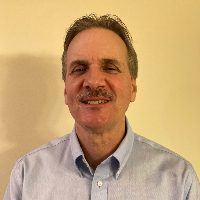





Yasaman Sherbaf
LPC
Virginia - 3 yrs exp

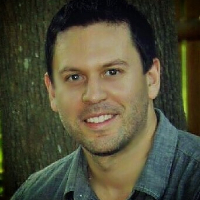

Brandy Peterson
LPC
Virginia - 13 yrs exp

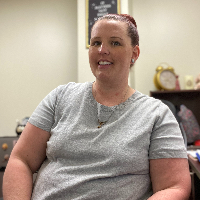

Linda Giles
LPC, LCMHC
Virginia - 28 yrs exp






What is Trauma-Focused Therapy?
Trauma-Focused Therapy is a therapeutic approach specifically oriented toward helping people who have experienced upsetting or overwhelming events. The work emphasizes understanding how traumatic experiences affect thoughts, emotions, relationships, and daily functioning, and it combines strategies to help you build coping skills, process memories, and regain a sense of control. Practitioners draw on a range of methods to tailor care to your needs, focusing on practical skills and gradual processing rather than rushing through painful material.
Core principles behind the approach
The foundation of trauma-focused work rests on creating safety, building stabilization and coping skills, and carefully processing traumatic memories when you are ready. Therapists help you learn tools to manage intense reactions and to tolerate distress while also addressing problematic beliefs that often follow trauma. The pace of therapy is set jointly, and clinicians pay attention to your resilience, strengths, and values as they guide the healing process.
How Trauma-Focused Therapy is used by therapists in Virginia
In Virginia, trauma-focused clinicians work in a variety of settings including private practices, community mental health centers, specialty clinics, and university counseling centers. Many therapists in urban and suburban areas tailor their services to the communities they serve - for example, providers in Virginia Beach and Norfolk may have experience working with military-connected individuals and families, while clinicians in Richmond and Arlington often bring expertise in multicultural considerations and urban stressors. Therapists use both in-person sessions and teletherapy to increase access, and they often coordinate with medical providers, school staff, or community supports when appropriate.
Local considerations and cultural responsiveness
Because traumatic experiences are shaped by social and cultural context, therapists in Virginia often incorporate culturally responsive practices into their work. You may find clinicians who pay attention to how race, ethnicity, socioeconomic status, gender identity, or community history affect your experience of trauma. If you live near a major city or prefer a particular mode of care, you can search for providers in Virginia Beach, Richmond, or Arlington who emphasize the kind of cultural competence and lived experience that feel relevant to you.
Issues Trauma-Focused Therapy is commonly used for
People seek trauma-focused therapy for many kinds of experiences. Some come after single incidents such as a car crash, assault, or natural disaster. Others seek help for repeated or prolonged adversity including childhood neglect, ongoing abuse, or exposure to community violence. Trauma-focused approaches also support those who struggle with the ripple effects of trauma - trouble sleeping, difficulty trusting others, intense reminders, or changes in mood and relationships. Therapists also work with people facing grief after a traumatic loss and with professionals who have secondary exposure to trauma through their work.
What a typical Trauma-Focused Therapy session looks like online
If you choose teletherapy, a session usually follows a predictable structure to help you feel grounded and to make the most of your time. You might begin with a check-in about how you have been since the last session, noting changes in symptoms, stressors, or successes. Your therapist will invite you to practice a skill or grounding exercise to help manage intensity. Much of the session may focus on building strategies to regulate emotion, challenge unhelpful thinking, and strengthen coping tools for use between sessions. When you and your therapist decide it is appropriate, sessions may include structured processing of memories using evidence-informed techniques that are paced to your tolerance.
Practical details for online work
Online sessions give you flexibility to meet from home or another personal environment where you feel comfortable. Before beginning remote work, you and your therapist will typically discuss how to handle technical interruptions, what to do in case you need extra support between sessions, and how to create a quiet, uninterrupted space for therapy. Sessions are often 45 to 60 minutes, and many therapists offer a first consultation call so you can get a sense of fit before committing to ongoing appointments.
Who is a good candidate for Trauma-Focused Therapy?
You might consider trauma-focused therapy if you find that past events continue to affect your mood, sleep, relationships, or ability to function. Good candidates are people who are motivated to work on trauma-related concerns and who can access consistent support during the course of therapy. That said, trauma-focused therapists are skilled at meeting people where they are - whether you want brief short-term work to gain coping tools or longer-term therapy to address complex histories. If you are experiencing very intense symptoms or safety concerns, therapists will work with you to prioritize stabilization and may coordinate additional supports as needed.
Children, adolescents, and families
Trauma-focused work is adapted for different ages. Therapists who work with children and families use developmentally appropriate techniques and often involve caregivers in building a supportive environment. If you are seeking care for a young person, look for a clinician with training in child and adolescent trauma interventions and in collaborating with schools or pediatric providers.
How to find the right Trauma-Focused Therapy therapist in Virginia
Choosing a therapist is a personal process. Start by thinking about logistics - whether you prefer in-person sessions in a particular city or the convenience of remote appointments. If an in-person relationship matters, you can focus your search on areas such as Virginia Beach, Richmond, or Arlington to find clinicians who are nearby. Next, consider clinical fit - some therapists specialize in particular methods or populations, and it helps to look for practitioners whose experience aligns with your needs.
When reviewing profiles, pay attention to training and areas of focus. Many therapists describe the approaches they use and the kinds of trauma they commonly treat. It is reasonable to reach out and ask about experience with the specific issues you are facing, the therapist's approach to pacing trauma work, and how they support clients who have strong emotional reactions during processing. You can also inquire about practical matters like session length, fees, payment options, and whether they coordinate with other providers in your care network.
Fit also includes interpersonal elements. You want a therapist whose communication style and personal values feel respectful and supportive. Some people find it helpful to schedule an initial consultation with a few clinicians to get a sense of who feels most comfortable for ongoing work. If language, cultural background, or identity factors are important to you, searching for providers who highlight those competencies can increase the likelihood of a good match.
Finally, think about the early steps in therapy. A thoughtful clinician will explain how they structure trauma-focused work, discuss safety and stabilization strategies, and set realistic expectations about pace and outcomes. You should feel able to ask questions and to collaborate on goals. In Virginia, whether you are near busy urban centers or in a smaller community, taking the time to find a therapist who offers both the technical skills and the personal fit will help you make the most of trauma-focused interventions.
Next steps
Exploring therapist profiles can help you narrow your options. Look for clinicians who highlight trauma-focused training and whose descriptions resonate with your needs. If you live in or near Virginia Beach, Richmond, Arlington, or other parts of the state, you can filter for location and availability. Reach out to ask about a brief consultation or initial appointment - this conversation is a helpful way to learn how a therapist works and whether their approach feels right for you. Taking that first step to connect with a trained clinician can open a path toward greater stability and recovery at your own pace.