Find a Solution-Focused Therapy Therapist in Virginia
Solution-Focused Therapy is a short-term, goal-oriented approach that emphasizes strengths and practical steps toward change. Practitioners trained in this method are available across Virginia, including Richmond, Virginia Beach, and Arlington - browse the listings below to explore options.









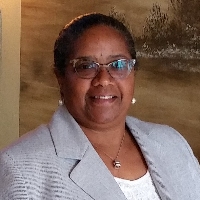
Yasaman Sherbaf
LPC
Virginia - 3 yrs exp













What Solution-Focused Therapy Is
Solution-Focused Therapy is an approach that concentrates on what you want to achieve rather than on a detailed exploration of past problems. Therapists who practice this approach help you identify small, practical changes that move you toward your goals. The work tends to be future-oriented and collaborative, focusing on strengths, resources, and exceptions to the problem - moments when things were working better - so you can build on what already helps.
Core principles
The practice rests on a few simple principles. You and your therapist will map a clear vision of the preferred future and then break that vision into achievable steps. Instead of dwelling on causes, the emphasis is on solutions that are realistic and within your control. Therapists use questions and brief interventions to highlight progress, encourage experimentation, and reinforce actions that lead to change. This approach often results in a shorter course of sessions than other modalities, though the length of work depends on your goals and circumstances.
How Therapists in Virginia Use This Approach
Across Virginia, clinicians integrate Solution-Focused Therapy into a variety of settings, from community clinics to independent practices and university counseling centers. In urban centers such as Richmond, Arlington, and Virginia Beach, therapists may combine solution-focused techniques with other evidence-informed methods to address the needs of diverse populations. Practitioners often tailor questions and homework to local contexts - for example, helping a college student in Richmond balance academics and well-being or supporting a family in Virginia Beach with concrete steps for better communication.
You will find therapists who apply the approach in brief one-on-one work, in couples sessions, and in family therapy. Some professionals use solution-focused principles as a foundation for short-term care, while others incorporate them as part of a larger treatment plan when ongoing support is helpful. The flexible nature of the approach makes it adaptable to a broad range of life situations and schedules in Virginia communities.
Issues Solution-Focused Therapy Is Commonly Used For
Solution-Focused Therapy is commonly used for concerns where clear goals and practical changes are possible. People seek this approach for stress management, anxiety, mild to moderate depression, relationship and communication issues, parenting challenges, career transitions, and goal planning. It is also used to address situational crises and to build coping strategies for everyday challenges. Because the work emphasizes what is already working, it often suits situations where you want tangible improvements within a relatively short time frame.
For more complex or long-standing difficulties, therapists in Virginia may recommend combining solution-focused techniques with other therapeutic approaches, or they may work with you to determine if a longer-term plan is the best fit. If immediate risk or safety concerns are present, a clinician may suggest a different course of care or additional supports.
What a Typical Online Session Looks Like
When you meet with a therapist online, sessions often start with a quick check-in about what is most pressing for you that week. The clinician will invite you to describe your desired outcome in concrete terms - what will be different when things improve - and may use questions that help you notice past successes and exceptions. A common tool is a scaling question where you rate progress on a numerical scale; this helps you and the therapist track change and set next steps.
Online sessions typically last between 30 and 60 minutes, depending on the therapist's practice and your needs. Expect practical homework or experiments to try between sessions - small actions designed to generate more of what you want. The online format allows you to engage from home or another convenient location; plan to join from a quiet, comfortable room where you will not be interrupted. Before beginning online therapy, check that your device, browser, and internet connection are up to date, and ask the therapist about session procedures, appointment changes, and payment options.
Who Makes a Good Candidate
You may be well suited to Solution-Focused Therapy if you have a specific, achievable goal and prefer a forward-looking, practical approach. People who like to focus on strengths, try new behaviors, and measure small changes often respond well. This method can work for individuals, couples, and families who want to improve communication, set boundaries, or manage everyday stressors without committing to long-term therapy.
If you are dealing with severe or persistent mental health concerns, ongoing safety issues, or a need for intensive psychotherapy, a clinician will help determine whether a different approach or additional supports are needed. A skilled therapist will discuss the likely course of care and collaborate with you to design a plan that matches your preferences and needs.
Finding the Right Therapist in Virginia
Locating a therapist who uses Solution-Focused Therapy in Virginia involves a few practical steps. Start by looking for clinicians who list solution-focused or brief therapy in their professional profiles, and note whether they have experience with the issues you want to address. Licensure and credentials matter; check that the clinician is a licensed professional counselor, clinical social worker, marriage and family therapist, or psychologist in Virginia. Consider whether you prefer in-person sessions in places like Arlington or Richmond, or the convenience of online appointments that can be accessed from home or work.
Think about logistics such as session length, scheduling, fees, and whether the therapist accepts your insurance or offers a sliding scale. Many therapists offer an initial consultation - often brief and low-cost or free - so you can ask about approach, experience, and what a typical short-term plan might look like. Trust your sense of fit during that initial conversation; a good match will feel collaborative and goal-focused.
Questions to Ask During an Initial Consultation
When you connect for a consultation, you might ask how the therapist defines progress, what kind of homework they assign, and how they measure outcomes. Inquire about how many sessions they expect for a typical concern, how they adapt the approach for couples or families, and whether they have experience working with people in contexts similar to yours. Ask about payment options and cancellation policies so there are no surprises, and request a brief description of what your first session would likely include.
Local Considerations in Virginia
Virginia’s mix of urban and suburban communities means you can often find clinicians who specialize in particular populations - for example, supports for military families near coastal cities, or therapists familiar with university settings in Richmond. Transportation and scheduling may influence whether you choose an in-person clinician or online sessions. If you are balancing work and family, options in Arlington or nearby areas may offer evening or weekend availability, while some therapists in Virginia Beach and Alexandria provide flexible telehealth hours to accommodate different schedules.
As you explore options, remember that the therapeutic relationship matters as much as technique. A therapist who listens, sets clear goals with you, and helps you notice progress will likely make the solution-focused approach more effective. Use introductory calls to get a sense of style and rapport, and choose the clinician who feels most aligned with your goals and practical needs.
When you are ready, browse listings to compare clinicians, reach out for a consultation, and begin the kind of focused work that emphasizes steps you can take now. With clear goals and collaborative support, Solution-Focused Therapy can help you make meaningful changes in a manageable period of time.