Find a Motivational Interviewing Therapist in Virginia
Motivational Interviewing is a collaborative, goal-focused counseling approach that helps people explore ambivalence and strengthen their own reasons for change. Find trained practitioners across Virginia and browse the listings below to review specialties and availability.


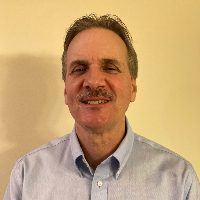







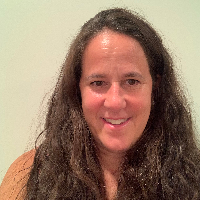
Yasaman Sherbaf
LPC
Virginia - 3 yrs exp








What Motivational Interviewing Is and the Principles Behind It
Motivational Interviewing is a conversational method that helps people resolve mixed feelings about change and move toward meaningful goals. Rather than telling you what to do, a clinician using this approach listens with curiosity, reflects your perspective, and helps you identify the reasons that matter most to you. The method rests on a few core principles that guide the tone and structure of sessions. Clinicians express empathy through reflective listening to understand your point of view. They help you notice the gap between where you are now and where you want to be, which is often called developing discrepancy. When resistance appears, therapists aim to roll with it instead of pushing against it, reducing argument and increasing collaboration. Finally, supporting self-efficacy means helping you build confidence that change is possible and within reach.
How Therapists in Virginia Use Motivational Interviewing
Across Virginia, from community clinics to private practices in cities like Virginia Beach, Richmond, and Arlington, clinicians incorporate Motivational Interviewing into a range of treatment plans. Many therapists use it as a stand-alone approach when the main goal is to increase motivation and commitment to change. Others integrate it with cognitive behavioral therapy, trauma-informed care, or family therapy to align motivation with practical skills and coping strategies. In primary care settings and behavioral health programs, Motivational Interviewing is often used to engage people who might be hesitant about treatment, to support medication adherence, or to encourage healthier daily routines. In private practices, therapists may focus MI conversations on relationships, work goals, or lifestyle adjustments, helping you move from ambivalence to action in a way that fits your values.
Settings Where You Might Find Motivational Interviewing
Therapists trained in Motivational Interviewing practice in a variety of settings throughout Virginia. You may encounter this approach in outpatient counseling centers, integrated health clinics, university counseling services, employee assistance programs, and private offices. In larger metropolitan areas such as Richmond and Arlington, it is common to find clinicians offering both in-person and online appointments. Coastal communities like Virginia Beach often have providers who work with clients on issues related to substance use, life transitions, and family dynamics using MI techniques.
Issues Motivational Interviewing Is Commonly Used For
Motivational Interviewing is especially helpful when you feel torn about making a change. It is widely applied to behaviors such as reducing or stopping substance use, changing smoking habits, improving exercise and nutrition routines, and increasing adherence to medical or psychiatric recommendations. Clinicians also use MI to support changes in relationships, career transitions, parenting practices, and engagement in psychotherapy itself. The approach is not limited to a single diagnosis or problem. Instead, it offers a practical way to move from thinking about change to taking the first steps, which can then be supported by other therapeutic tools when needed.
What a Typical Motivational Interviewing Session Looks Like Online
If you choose online sessions, the format will feel conversational and collaborative. Most appointments last between 45 and 60 minutes. Your therapist will begin by asking open questions to understand your priorities and the reasons you are considering change. You can expect reflective listening, where the clinician paraphrases what you say to ensure understanding and to highlight your own motivations. Scaling questions may be used to assess confidence and readiness - for example asking you to rate your readiness on a scale from one to ten and then exploring what would move that number up. Sessions often end with a discussion of small, manageable next steps and a plan for follow-up. Many people find that the online format allows them to meet from home or a convenient location while maintaining the conversational style that is central to Motivational Interviewing.
Who Is a Good Candidate for Motivational Interviewing
You may be a good candidate for Motivational Interviewing if you feel uncertain about making a change but are open to exploring your options. It works well for people who are ambivalent rather than those who are firmly decided against change. MI is also appropriate when you want help clarifying values and priorities or when past attempts to change have stalled. Adolescents and adults alike can benefit when motivation is the main barrier. If you are experiencing severe crisis or need intensive medical intervention, a therapist will discuss whether MI should be part of a broader treatment plan. When in doubt, an initial consultation can help determine whether Motivational Interviewing fits your current needs.
How to Find the Right Motivational Interviewing Therapist in Virginia
Finding the right clinician starts with clarity about what you want to achieve. When searching profiles, look for information about training in Motivational Interviewing and experience with issues similar to yours. Many therapists note whether they offer teletherapy or in-person sessions, and whether they work with certain populations such as young adults or parents. Consider logistics like location if you prefer in-person appointments, with cities such as Virginia Beach, Richmond, and Arlington offering a range of options. Ask potential providers about their approach during an initial call or consultation - inquire how they incorporate Motivational Interviewing into treatment, what a typical session involves, and how progress is measured. It also helps to discuss practical questions like fees, insurance options, and scheduling to ensure a good match.
Questions to Ask When You Contact a Therapist
You might ask a therapist how long they have practiced Motivational Interviewing and how they tailor the approach to different concerns. You may want to know whether they combine MI with other therapies and how sessions are structured over time. If online appointments are important to you, ask about the technical aspects and what to expect in terms of privacy protections for your personal information. A direct conversation can reveal whether the therapist’s style and values align with yours, and most clinicians welcome an initial conversation to determine fit.
Making the Most of Motivational Interviewing in Virginia
Once you begin, be prepared to engage in honest, reflective conversation about what matters to you. Progress can be incremental; small changes often build momentum. Combining Motivational Interviewing with practical strategies recommended by your therapist can help sustain change over time. Whether you live near the coast or in an urban center, you can find clinicians in Virginia who tailor this approach to your goals. Use the directory to narrow your options by specialization, availability, and format, and arrange a consultation to see how Motivational Interviewing might support the next step in your journey.