Find a Dialectical Behavior Therapy (DBT) Therapist in Virginia
Dialectical Behavior Therapy (DBT) is an evidence-informed approach that teaches skills for managing intense emotions, improving relationships, and reducing impulsive behaviors. Find trained DBT practitioners across Virginia and browse the listings below to review clinicians who offer individual and group work.





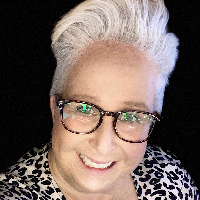
Yasaman Sherbaf
LPC
Virginia - 3 yrs exp














What is Dialectical Behavior Therapy (DBT)?
Dialectical Behavior Therapy is a structured form of cognitive-behavioral treatment that emphasizes balancing acceptance with change. You will learn concrete skills in areas such as emotion regulation, distress tolerance, interpersonal effectiveness, and mindfulness. Therapists trained in DBT combine individual therapy with skills training and coaching to help you apply what you learn in daily life.
Principles behind DBT
At its core, DBT rests on a few interlocking principles. You will encounter the idea that change and acceptance must coexist - that you can validate your current experience while working toward different responses. Skills practice is central, so therapy is organized around learning, rehearsing, and generalizing new ways of reacting to stress and conflict. Many clinicians also emphasize the importance of a collaborative working relationship and a supportive treatment team that guides the therapeutic approach.
How DBT is used by therapists in Virginia
Therapists across Virginia adapt DBT to meet the needs of their communities. In larger metro areas like Virginia Beach and Richmond, you may find clinics offering comprehensive DBT programs with a combination of individual sessions, group skills classes, and phone coaching. In more suburban or rural parts of the state clinicians often tailor DBT techniques into individual therapy or smaller skills groups to match demand and accessibility. Many practitioners also participate in consultation teams, which supports consistent application of DBT principles and helps clinicians stay focused on treatment goals.
Settings and formats you might encounter
DBT in Virginia is delivered in a range of formats. Individual therapy remains a cornerstone, where you work one-on-one on targets such as crisis strategies, behavioral change, and applying skills. Group skills training teaches practical techniques in a classroom-style format that is interactive and experiential. Some programs include phone or messaging coaching to help you use skills in real time between sessions. Increasingly, therapists offer these services both in-person in locations like Arlington and online, allowing you to combine face-to-face work with remote sessions depending on your needs.
What types of issues DBT is commonly used for
You will often see DBT recommended for people who struggle with intense or rapidly changing emotions, frequent conflict in relationships, self-harm behaviors, or patterns of impulsivity that cause distress. Clinicians also adapt DBT for issues such as chronic emotion dysregulation, complex grief reactions, ongoing interpersonal difficulties, and for supporting people with co-occurring mood or anxiety concerns. The emphasis on skills practice makes DBT especially useful when you want tools that can be applied day-to-day to manage urges, reduce emotional reactivity, and build more effective communication.
What a typical DBT session looks like online
When you attend DBT online, a session will usually start with a brief check-in about how your week went, including any crises, skill use, and progress on goals. Your therapist will review your diary card or tracking tool if you use one - this helps identify patterns and prioritize targets. The middle portion of the session focuses on skill coaching, problem-solving, and practicing adaptive responses. You may role-play difficult conversations, rehearse distress tolerance strategies, or work through a recent interaction to find alternative behaviors. Sessions commonly last 45 to 60 minutes, while group skills classes run longer and involve teaching and experiential exercises. Online formats allow you to join from a familiar environment, which can make practicing new skills in real life feel more immediate, and therapists often provide guidance on adapting skills for your home, work, or social settings.
Who is a good candidate for DBT
DBT can be a strong fit if you are motivated to learn practical skills and willing to engage in a structured program that includes both individual work and skills practice. You should expect to commit time to learning and practicing techniques outside of sessions, and to be open to receiving feedback in a way that supports growth. People facing recurrent crises, relationship instability, or long-standing difficulties managing emotions often find DBT helpful because it blends acceptance-based strategies with targeted behavior change. If you are unsure whether DBT is right for you, a preliminary consultation with a clinician can clarify how the model might be adapted to your situation.
How to find the right DBT therapist in Virginia
Start by checking therapists' training and experience with DBT-specific methods. You can look for clinicians who describe formal training in DBT skills training, consultation team participation, or experience running group programs. Consider whether you prefer a programmatic structure with weekly skills groups or a more flexible individual therapy approach. Think about practical factors such as location and availability - if you live near Norfolk or Alexandria you may have local group options, while telehealth can broaden your choices regardless of where you are in the state. Insurance networks, sliding scale options, and session fees are important to confirm early on so you can plan for sustainable care.
Questions to ask and steps to take
When you contact a potential therapist, ask about how they implement DBT - whether they offer skills groups, phone coaching, or a combination of services - and how they measure progress. Inquire about the typical length of treatment, how they prioritize safety and crisis planning, and how they collaborate with other providers if you are seeing more than one clinician. It can be helpful to ask for a brief initial consultation to get a sense of the therapist's approach and whether you feel comfortable working with them. Comfort and fit matter; you should leave a first meeting with a clear sense of how the therapist plans to help you learn and practice new skills.
Finally, use local resources to narrow your search. In urban centers like Richmond and Arlington, you may find multi-component DBT programs that include dedicated skills classes and staff teams. In coastal areas such as Virginia Beach, therapists sometimes combine DBT with approaches tailored to community stressors and life transitions. Wherever you are in Virginia, take the time to review clinician profiles, read about their training, and choose someone whose approach matches your goals and schedule.
DBT is a practical, skills-focused approach that can help you build more effective ways of handling emotions and relationships. By asking targeted questions and exploring both local and online options, you can find a DBT provider in Virginia who supports your work and helps you put new skills into everyday practice.