Find a Social Anxiety and Phobia Therapist in Virginia
Explore therapists across Virginia who specialize in social anxiety and phobia treatment. Use the listings to compare clinicians serving Virginia Beach, Richmond, Arlington and other communities. Browse below to find a therapist who matches your needs and preferences.











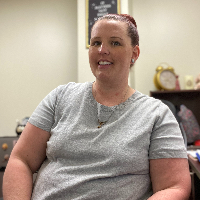
Yasaman Sherbaf
LPC
Virginia - 3 yrs exp









Understanding how social anxiety and phobia therapy works for Virginia residents
When you look for help with social anxiety or specific phobias in Virginia, therapy typically focuses on practical skills and gradual exposure to feared situations. Many clinicians employ evidence-informed approaches such as cognitive behavioral techniques and structured exposure exercises to help you understand the thoughts and behaviors that maintain anxiety. Therapy is collaborative - your therapist will work with you to set goals that reflect your day-to-day life in Virginia, whether that means feeling more comfortable at work in Arlington, attending community events in Richmond, or managing social situations in Virginia Beach.
Therapy can take several forms depending on what fits your needs. Short-term, goal-focused work might concentrate on specific social situations or a single phobia. Longer-term therapy can address broader patterns of avoidance, self-doubt, or low confidence. Whatever path you choose, expect a mix of in-session practice, between-session exercises, and gradual steps that make challenging situations more manageable over time.
Finding specialized help for social anxiety and phobia in Virginia
Searching for a therapist who truly understands social anxiety and phobias can make a big difference in your progress. In Virginia, you can use directories, clinician profiles, and local referral sources to identify providers with training in cognitive behavioral approaches, exposure-based work, or anxiety-focused programs. Many therapists include information about their specialties, training, and typical treatment methods on their profiles, which helps you narrow your search before you reach out.
Licensure and experience matter when you are choosing a clinician. You may want to look for therapists who list specific experience treating social anxiety or phobias, and who offer clear descriptions of how they structure sessions and measure progress. Consider reaching out to clinicians in nearby cities like Richmond, Arlington or Virginia Beach if travel or scheduling in your immediate area is limited. Initial phone or video consultations can give you a sense of whether a therapist’s style and approach fit the way you prefer to work.
How local factors can shape care
Your daily life and environment affect how social anxiety shows up, and therapists in Virginia understand the local context - from college towns and suburban workplaces to coastal communities. A clinician who knows the social and cultural rhythms of your region can suggest exposure steps that feel realistic, whether that means practicing a presentation in a workplace setting, attending a neighborhood event in Norfolk, or managing social gatherings in Alexandria. Local knowledge can make treatment tasks more relevant and easier to integrate into your routine.
What to expect from online therapy for social anxiety and phobia
Online therapy has become a common option for people in Virginia and can be especially helpful if you prefer the convenience of remote sessions or if you live outside a major city. When you choose online care, sessions are usually conducted by video or phone, and your therapist will adapt exposure tasks and between-session assignments to work in a virtual format. This can include role-playing social situations on video, guided exposure to online social interactions, or step-by-step plans for practicing skills in real-world settings.
Online therapy can also give you access to clinicians who specialize in social anxiety and phobias even if they are based in another part of the state. It is common to begin with an intake session that covers your history, current challenges, and therapy goals, followed by a clear plan for what to work on each week. You'll want to check practical details such as session length, how appointments are scheduled, and what happens if you need to change a session. Many therapists offer a brief initial consultation so you can experience their approach before committing to ongoing work.
Common signs that someone in Virginia might benefit from social anxiety or phobia therapy
You might consider seeking help if anxiety around social situations or specific fears is limiting your activities or causing regular distress. Common signs include persistent worry about being judged, avoiding work or social events, intense fear of specific situations like public speaking or flying, physical symptoms such as trembling or sweating in social situations, and frequent rumination about past social interactions. If these patterns interfere with relationships, job performance, schooling, or your ability to enjoy community life in places like Virginia Beach or Richmond, therapy can provide tools to regain control.
Another sign you might benefit from therapy is when avoidance strategies start to require significant effort or planning. If you routinely turn down invitations, pass up opportunities, or find that your anxiety shapes major life choices, a focused treatment plan can help you expand your options and reduce the energy spent on managing fear. Therapy is also appropriate when you want to build confidence and social skills, not only when symptoms are severe.
Tips for choosing the right therapist for this specialty in Virginia
Choosing a therapist is a personal process, and a good match often depends on both clinical experience and interpersonal fit. Start by looking for clinicians who explicitly list social anxiety, social phobia, or specific phobias among their specialties. Pay attention to the methods they describe - phrases like exposure work, cognitive behavioral therapy, or anxiety-focused treatment indicate experience with approaches commonly used for these concerns. You may also want to read clinician bios for mentions of populations they work with, such as young adults, professionals, or college students, which can help you find someone familiar with situations you face in Richmond, Arlington or Alexandria.
Practical considerations are also important. Think about scheduling flexibility, whether the therapist offers evening or weekend appointments, and whether they provide in-person sessions in nearby cities or remote care across Virginia. Cost and insurance are understandable concerns, so ask about session fees, sliding-scale options, and whether they accept your plan. Many therapists offer a short intake call or initial session at a reduced rate; use this opportunity to ask about their experience treating social anxiety, what a typical course of therapy looks like, and how progress is measured.
Questions to ask during an initial consultation
During a first conversation, you can ask about the therapist’s training, how they set goals with clients, and what kinds of between-session practices they recommend. Ask how they tailor exposure exercises to your life, whether they assign homework, and how they track changes over time. It is also reasonable to ask about language, cultural competence, and how they approach working with clients who may have overlapping concerns like depression or substance use. Trust your impressions of how comfortable you feel speaking with the clinician - a respectful and collaborative relationship is a core part of effective therapy.
Making the most of therapy in Virginia
Once you begin working with a therapist, progress often comes from a combination of in-session learning and regular practice. Be prepared to set small, achievable steps between sessions and to review what went well and what was difficult. If you encounter barriers such as transportation or scheduling, discuss alternatives with your therapist, including online sessions or community-based exposure opportunities. Over time, many people find they can participate more fully in work, school, and social life as they build confidence and reduce avoidance.
If you are ready to explore options, start by browsing the therapist profiles on this page and reach out for a short consultation. Seeing a few clinicians and comparing approaches can help you find a therapist who fits your goals and schedule, whether you prefer in-person care in Virginia Beach or Richmond or online sessions that work around a busy life in Arlington. Taking that first step can open new possibilities for how you navigate social situations and manage specific fears in your daily life.