Find a Seasonal Affective Disorder (SAD) Therapist in Virginia
This page lists therapists in Virginia who specialize in Seasonal Affective Disorder (SAD), with options for in-person care and online therapy. Browse the profiles below to compare approaches, specialties, and availability across the state and in cities like Virginia Beach, Richmond, and Arlington.


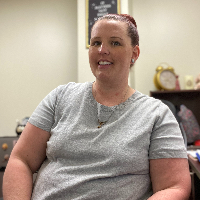

Linda Giles
LPC, LCMHC
Virginia - 28 yrs exp


















How seasonal affective disorder therapy typically works for Virginia residents
If you are exploring therapy for seasonal affective disorder, you can expect a collaborative process that begins with an assessment of how your mood and functioning change across the seasons. A therapist will ask about the timing and pattern of low mood, sleep or appetite changes, energy levels, and how seasonal shifts affect your daily life and responsibilities. From there you and your clinician will identify goals and select approaches that fit your needs.
Treatment often draws on evidence-informed talk therapies, with cognitive behavioral techniques commonly used to help you notice and shift patterns of thought and behavior that contribute to recurring low mood. Therapy sessions usually include mood monitoring, behavioral activation to help you maintain routines and meaningful activities during darker months, and skills for coping with fatigue and social withdrawal. You may also work on sleep hygiene, scheduling of outdoor time, and planning around seasonal triggers so you feel more in control when the seasons change.
Finding specialized help for SAD in Virginia
When you search for a therapist in Virginia who focuses on seasonal affective disorder, look for clinicians who list mood seasonality, depressive patterns, or seasonal mood concerns among their specialties. In larger population centers such as Virginia Beach, Richmond, and Arlington you may find clinicians with specific training in mood disorders or in cognitive behavioral therapy for depression. If you live in a smaller town, online therapy increases access to professionals who understand SAD and its seasonal pattern.
Licensure and practice setting matter for practical reasons. Confirm that a clinician is licensed to practice in Virginia and that their approach aligns with what you prefer - whether you want brief, structured sessions focused on symptom reduction or a longer-term therapeutic relationship that addresses seasonal patterns in the context of your broader life. Insurance networks and sliding scale options vary, so check coverage and fees before scheduling an appointment.
Local considerations
Virginia’s climate and daylight patterns vary between coastal areas and inland regions. If you spend most of your time in coastal cities like Norfolk or Virginia Beach, or in inland hubs such as Richmond and Arlington, mention your typical daily routine and exposure to daylight during the evaluation. That helps a therapist tailor recommendations that fit your environment and schedule.
What to expect from online therapy for seasonal affective disorder
Online therapy can be an effective way to receive consistent support through seasonal transitions, especially if weather or travel makes in-person visits difficult. With virtual sessions you can access clinicians across Virginia without commuting, which can be especially helpful during winter months when you may feel less motivated to travel. Sessions typically mirror in-person therapy in length and structure, and many therapists provide digital tools for mood tracking and homework.
Before starting online sessions, make sure you understand the appointment logistics - how to connect, what to do if a connection drops, and how the therapist handles scheduling and cancellations. It is also reasonable to ask how the clinician adapts interventions for remote work, for example by using guided worksheets, video-based behavioral activation, or shared mood logs. If you prefer an in-person connection, check for local availability in your city such as Richmond or Arlington; if you need maximum flexibility, online options can help you maintain continuity of care across seasons.
Common signs that someone in Virginia might benefit from SAD therapy
You might consider seeking a therapist if you notice a recurring pattern of low mood or reduced energy that reliably appears with seasonal change and affects your ability to work, study, or maintain relationships. Typical signs include pronounced tiredness or oversleeping during fall and winter months, loss of interest in activities you normally enjoy, changes in appetite or weight, difficulty concentrating, and a tendency to withdraw socially when daylight decreases. You may also notice that these symptoms lift during spring and summer and then return as days shorten.
Even if your symptoms do not match a formal diagnosis, therapy can help you develop strategies to manage seasonal fluctuations, build routines that protect your wellbeing, and plan ahead for challenging months. Early support can reduce the cumulative impact of seasonal lows on work performance, family life, and daily functioning.
Tips for choosing the right therapist for this specialty in Virginia
Start by clarifying what you want from therapy. If you are looking for short-term, skills-based work, search for clinicians who emphasize cognitive behavioral strategies and behavioral activation. If you want broader support that includes relationship issues or life transitions, look for therapists who integrate mood-focused work within longer-term therapy models. Read provider profiles to understand their training, typical client concerns, and whether they mention seasonal mood patterns.
Consider logistics that matter to you. If you prefer meeting in person during brighter months but want online flexibility in winter, ask about hybrid options. If cost is a factor, check whether a therapist accepts your insurance or offers a sliding scale. You can also ask about language options, evening or weekend availability, and experience working with people in similar life stages or professional roles. For residents in or near Virginia Beach, Richmond, or Arlington, local therapists may be able to recommend community resources or coordinate care with medical providers when appropriate.
Questions to ask in a first session
Use an initial appointment to see how the therapist listens to your seasonal concerns and whether their proposed plan feels practical. Ask about the kinds of techniques they use for recurring low mood, how they measure progress, and how they tailor work for seasonal patterns. You might also discuss how therapy will support changes in routine during darker months and what to do if symptoms intensify. A good match is one where you feel heard and the approach feels doable for your schedule and lifestyle.
Preparing for the seasons ahead
Therapy for seasonal affective disorder often includes planning ahead. You and your therapist can develop a seasonal toolkit - strategies you can put into place before symptoms typically arise. This may include scheduling meaningful activities, prioritizing daylight exposure within your daily routine, setting sleep-wake schedules, and practicing cognitive and behavioral techniques that you can revisit each year. Planning in advance helps you maintain stability through seasonal shifts and reduces the sense that you are caught off guard when symptoms begin.
Finding the right therapist in Virginia may take some searching, but there are options across the state and through online care that make it easier to connect with someone who understands seasonal patterns. By focusing on credentials, therapeutic approach, and practical logistics such as availability and cost, you can choose a clinician who fits your needs and helps you manage seasonal changes more effectively. Start by browsing the profiles above and scheduling a consultation to see how a therapist can support your wellbeing across the seasons.