Find a Queer Friendly Therapist in Virginia
Find queer friendly therapists serving Virginia, including clinicians in Virginia Beach, Richmond and Arlington. Browse the listings below to compare specialties, treatment approaches and contact options to find a good fit.





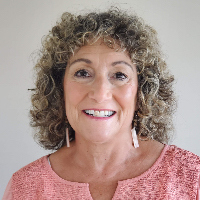

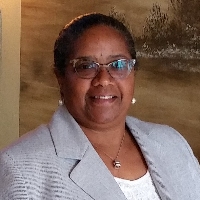

Brandy Peterson
LPC
Virginia - 13 yrs exp
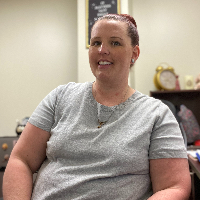

Linda Giles
LPC, LCMHC
Virginia - 28 yrs exp









How queer friendly therapy works for Virginia residents
If you are looking for a therapist who understands LGBTQ+ identities and the issues that often accompany them, queer friendly therapy is focused on affirmation and respect. In Virginia this can mean connecting with clinicians who have experience working with sexual orientation and gender identity questions, relationship dynamics unique to queer communities, minority stress, and identity exploration. Therapy typically begins with an intake conversation in which you and the therapist discuss goals, history, and what affirmation looks like for you. From there the work may include skill-building, processing experiences of discrimination or rejection, navigating coming out and family relationships, addressing anxiety or depression related to identity, or supporting gender-affirming steps. Sessions can take place in-person or online, depending on the therapist and your needs.
Local practice settings and community contexts
Virginia’s communities vary widely, from denser urban centers to more rural towns, and that affects how services are offered. In larger cities such as Virginia Beach, Richmond and Arlington you are more likely to find clinics and private practices that advertise queer friendly services explicitly. In smaller localities clinicians may offer queer competent care without as prominent public labeling, so asking about experience with LGBTQ+ clients is important. You may also find providers who combine mental health care with community outreach, group work, or collaborations with nearby clinics and community centers. These local differences can influence appointment availability, sliding scale options, and the types of groups or workshops offered.
Finding specialized help for queer friendly care in Virginia
Finding a therapist who fits your needs often starts with clear priorities. Decide which aspects matter most - clinical approach, experience with transgender or nonbinary clients, couples counseling for same-sex partners, or trauma-informed care - and use those as filters when reviewing profiles. Professional licensure is an important practical detail; many therapists list their credentials and areas of specialization on directory profiles. If you use insurance, confirm whether the provider accepts your plan and whether the services you want are reimbursable. If cost is a concern, ask about sliding scale fees, community mental health programs, or therapists who offer reduced-rate sessions. You might also reach out to local LGBTQ+ organizations, peer support groups, or university counseling centers for recommendations tailored to your region in Virginia.
Questions to ask before scheduling
When you contact a potential therapist, ask about their experience with queer clients, how they approach identity-affirming care, and whether they have experience with issues similar to yours. Practical questions about session length, fees, cancellation policies, and telehealth availability are also worth clarifying. It is reasonable to inquire how they handle name and pronoun usage, and whether they are comfortable coordinating care with other providers if you are pursuing medical transition or working with a primary care clinician. A brief phone or email consultation can help you feel out whether the therapist’s style and values align with yours before committing to a first appointment.
What to expect from online therapy for queer friendly care
Online therapy can expand access to queer friendly clinicians across Virginia, especially if local options are limited. You can meet with therapists who practice in nearby cities or even those licensed in Virginia who work remotely from elsewhere in the state. In an online session you can expect a similar structure to in-person therapy - check-in, collaborative work on goals, and practical skills - but delivered via video or phone. Make sure your computer or device is set up in a comfortable environment where you can speak openly. Ask the therapist about their preferred platform and any technical requirements, and discuss what to do in case of connection interruptions. For some people online therapy offers greater privacy and convenience, while others prefer the rapport of meeting face-to-face; you can choose based on what supports your engagement and comfort.
Common signs you might benefit from queer friendly therapy
You might consider queer friendly therapy if questions about sexual orientation or gender identity are a source of stress, confusion, or distress. If you experience anxiety or depressive symptoms linked to discrimination, rejection, or isolation, a therapist with LGBTQ+ experience can help you develop coping strategies and strengthen resilience. Relationship challenges that involve identity disclosure, negotiation of boundaries, or dynamics influenced by minority stress are also common reasons people seek queer friendly care. Additionally, if you are considering gender-affirming medical steps, therapy can provide emotional support and assist with navigating social and healthcare systems. You also may find counseling helpful if you want a neutral space to explore identity, process past experiences, or build community connections in cities such as Virginia Beach, Richmond and Arlington.
Tips for choosing the right therapist for this specialty in Virginia
Start by clarifying what you need from therapy - whether that is short-term support, long-term exploration, help with relationships, or assistance during medical transitions. Once priorities are set, review therapist profiles for stated experience with LGBTQ+ issues, training in gender-affirming care, and any relevant specializations such as trauma-focused therapy or couples work. Read clinician biographies to get a sense of their language and values; language that emphasizes affirmation and cultural humility is often a good sign. Checking licensure ensures the provider meets state professional standards, and asking about insurance or fee options helps avoid surprises. When possible, schedule an initial consultation to get a sense of rapport - it is common to try more than one therapist before finding a good match. In urban areas like Arlington or Richmond you may have more options for specialties and scheduling; if you live farther away, telehealth can broaden your choices.
Navigating logistics and follow-up
Practical details matter. Confirm how to make appointments, whether notes or records can be shared with other healthcare providers, and what emergency procedures the therapist follows. If you are part of a household where privacy is a concern, plan sessions at times when you can speak without interruption and let the therapist know about any safety considerations. After the first few sessions, reflect on whether you feel heard, respected, and understood. It is reasonable to discuss adjustments to approach or to request referrals if a different focus or specialty would be more helpful. Good therapeutic work often evolves from clear communication about goals and expectations.
Finding community and additional supports in Virginia
Therapy is one part of a broader support network. Look for local organizations, drop-in groups, or community events in cities like Virginia Beach, Richmond and Arlington to supplement individual care. Peer groups, support lines, and educational workshops can offer connection and practical resources. If you are connected to a university, student health services and campus groups may provide low-cost or no-cost options. Combining therapy with community supports can reduce isolation and enhance the coping skills you develop in sessions.
Choosing a queer friendly therapist in Virginia is a personal process. By clarifying your goals, asking targeted questions, and using both in-person and online options, you can find a clinician who aligns with your needs and helps you move toward greater well-being. Use the profiles above to start comparing therapists and schedule a consultation to see who feels like the best fit for your journey.