Find a Post-Traumatic Stress Therapist in Virginia
This page lists licensed therapists in Virginia who specialize in post-traumatic stress care. Browse listings for professionals in Virginia Beach, Richmond, Arlington and other communities to compare specialties and set up a consultation.
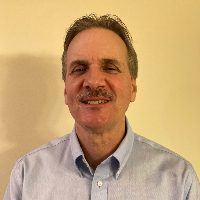









Yasaman Sherbaf
LPC
Virginia - 3 yrs exp




Brandy Peterson
LPC
Virginia - 13 yrs exp






How post-traumatic stress therapy works for Virginia residents
If you are living in Virginia and considering help for post-traumatic stress, therapy typically starts with an assessment to understand your history, current symptoms, and goals for treatment. A clinician will ask about the traumatic event or events, how memories and reminders affect your daily life, and what coping strategies you already use. From there you and the therapist will build a plan that may include evidence-informed approaches to reduce distress, rebuild a sense of safety, and strengthen coping skills. Sessions may focus on processing traumatic memories, changing unhelpful thoughts that keep you stuck, or teaching ways to manage intense emotions and physical reactions.
Therapists in Virginia often combine psychotherapeutic techniques with practical strategies that fit your lifestyle. You may work on grounding and breathing skills for moments of heightened arousal, practice new ways of thinking about distressing memories, or gradually approach situations you have been avoiding. Over time, many people find that structured work in therapy helps reduce the frequency and intensity of symptoms and improves daily functioning, relationships, and sleep. Progress varies by individual and depends on factors such as the nature of the trauma, current supports, and consistency of treatment.
Finding specialized help for post-traumatic stress in Virginia
When you search for post-traumatic stress care in Virginia, you will find a range of providers with varied backgrounds and training. Some therapists have specialized certifications or additional training in trauma-focused therapies, while others bring broad experience working with military, first responders, survivors of violence, or folks affected by accidents and natural disasters. If you live near Virginia Beach, Richmond, Arlington, or other urban and rural communities, consider whether you prefer a clinician who understands the local culture and resources, or whether you want access to a specialist whose experience aligns closely with your needs.
Start by checking therapist profiles for keywords like trauma-focused, post-traumatic stress, or specific methods such as trauma-focused cognitive-behavioral therapy, prolonged exposure, or EMDR. You can also look for experience with populations that match your background - for example veterans, survivors of interpersonal violence, or people who have experienced workplace trauma. Many therapists list their insurance participation, sliding-scale options, and whether they offer evening or weekend appointments. If you rely on VA or other public mental health resources, you can also explore community mental health centers and veteran-oriented services that operate throughout the state.
What to expect from online therapy for post-traumatic stress
Online therapy has become a common option in Virginia, offering greater flexibility if travel, work schedules, or caregiving responsibilities make in-person visits difficult. In an online session you will meet your therapist via video or sometimes audio, and the core therapeutic work - assessment, education, skills practice, and trauma processing - can proceed similarly to in-person care. Before starting, confirm that the clinician is licensed to provide services to residents of Virginia and ask about the technology they use, how appointments are scheduled, and how they handle emergencies or crises.
Online therapy can make it easier to access clinicians with specialized trauma training who may not be located in your immediate community. That can be useful if you live outside major centers such as Richmond or Arlington and want a provider with specific expertise. You should also consider practical matters - for instance, choosing a quiet spot where you will not be interrupted, having a reliable internet connection, and planning for privacy in your home or car so you can speak openly without concern. If in-session exposure exercises or somatic techniques are part of your plan, your therapist will explain how these are adapted for telehealth to maintain safety and therapeutic benefit.
Common signs that someone in Virginia might benefit from post-traumatic stress therapy
You might consider seeking assessment if you notice that a past event continues to intrude on your mind, if you have vivid memories or nightmares, or if reminders of the event cause intense emotional or physical reactions. Avoidance of places, people, or activities that trigger memories, a persistent sense of threat, feeling detached from others, and irritability or trouble concentrating are changes that often lead people to seek support. These experiences can affect work, relationships, and day-to-day routines from Tidewater to the inland counties, so noticing persistent patterns is an important step toward help.
In addition to emotional symptoms, you may observe changes in sleep, appetite, or energy levels, or find that common stressors become harder to manage. If you are a veteran, first responder, survivor of assault, or someone who has experienced a devastating accident, targeted trauma work can be particularly relevant. Seeking an evaluation does not commit you to any single type of treatment; it simply helps you and a clinician identify whether a trauma-focused approach might address the difficulties you are living with.
Tips for choosing the right therapist for this specialty in Virginia
Choosing a therapist is a personal process and you have the right to ask questions before committing to sessions. Start by looking for clinicians who list post-traumatic stress or trauma treatment among their specialties and note specific methods they use. When you contact a therapist, ask about their experience with your type of trauma, the kinds of patients they typically see, and how they measure progress. It is reasonable to inquire about session length, frequency, fees, and whether they accept your insurance or offer sliding-scale options.
Consider how comfortable you feel during an initial consultation. A therapist who explains their approach clearly and listens to your goals can help you form a realistic plan. If you are connected to local resources in Virginia Beach, Richmond, or Arlington, you may ask about community supports, group offerings, or referrals to psychiatric evaluation if medication consultation is something you are considering. Cultural fit is also important - for many people, finding a therapist who understands their community, identity, and values makes treatment more effective. If a therapist does not feel like the right match, it is okay to try a different clinician until you find someone with whom you can work well.
Practical considerations and next steps
Before starting therapy, think about practical matters such as scheduling, transportation for in-person visits, or a suitable room for online sessions. Confirm cancellation policies and whether the clinician offers a brief phone or video call to determine fit. If you are dealing with acute distress or are worried about safety, contact local emergency services or a crisis line for immediate help before waiting for an appointment. For ongoing care, ask how progress will be tracked and how decisions about the length of treatment will be made.
Therapy for post-traumatic stress is a process that involves collaboration between you and a clinician. You can take an active role by setting clear goals, discussing what techniques feel most helpful, and giving feedback about how the work is going. Over time, many people find that regular sessions, practical coping tools, and targeted trauma processing support a meaningful reduction in the ways trauma affects daily life.
Finding care near you
Whether you live near the coastline in Virginia Beach, in the urban core of Richmond, close to the nation s capital in Arlington, or in a smaller town elsewhere in the state, there are clinicians who focus on post-traumatic stress and trauma-informed care. Use therapist listings to compare credentials, read biographies, and reach out for an initial conversation. Taking the first step can feel daunting, but finding the right therapist can help you move toward feeling more grounded and in control of your life.
If you are ready to explore options, review the profiles on this page to find clinicians who match your needs and preferences, and reach out to schedule an intake. A short call or message can provide clarity about whether a therapist’s approach aligns with your goals and help you begin the work that matters to you.