Find an LGBT Therapist in Virginia
This page connects you with therapists who specialize in LGBT care across Virginia. You will find therapists who list their areas of practice, approaches, and availability - browse the listings below to find a clinician that fits your needs.





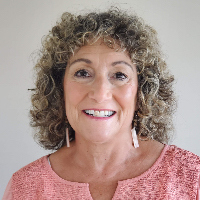

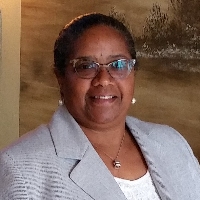

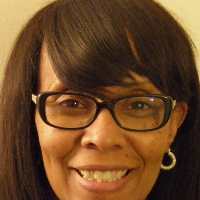
Brandy Peterson
LPC
Virginia - 13 yrs exp
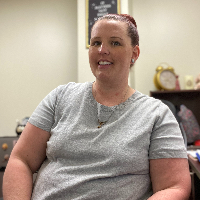

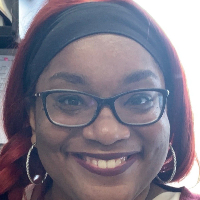
Linda Giles
LPC, LCMHC
Virginia - 28 yrs exp









How LGBT Therapy Works for Virginia Residents
If you are seeking therapy focused on LGBT issues in Virginia, you will find both in-person and online options tailored to identity-related experiences. Therapy typically begins with an intake conversation where you and the clinician outline your goals, whether those involve exploring sexual orientation, navigating gender identity, managing anxiety related to discrimination, or strengthening relationships. Clinicians may use a range of therapeutic approaches - such as cognitive-behavioral strategies, emotion-focused work, or trauma-informed care - adjusted to the concerns you bring.
In Virginia, many therapists build familiarity with local contexts that influence LGBT lives. Whether you live in a coastal community near Virginia Beach, an urban neighborhood in Richmond, or a commuter corridor around Arlington, your clinician can help you apply coping tools to the social and cultural landscape you encounter day to day. Therapy is collaborative - your preferences and pace guide the work - and a good clinician will offer practical steps as well as space to process identity and experience.
Finding Specialized Help for LGBT Issues in Virginia
When you begin searching, look for therapists who explicitly note LGBT competence or affirming practice in their profiles. Some clinicians highlight specific experience with coming out, family reconnection, relationship concerns, or gender exploration. You may prefer a therapist who has worked with particular age groups, cultural backgrounds, or faith traditions, especially if local community dynamics matter to you. If you live near larger metro areas such as Richmond or Northern Virginia, you will often find more clinicians with specialized training, while smaller localities may offer clinicians with general LGBT experience and strong community knowledge.
Use the directory filters to narrow by issues, therapy approaches, and logistics like session hours. It is reasonable to contact a few therapists to ask about their familiarity with your specific concerns. A short phone call or intake message can give you a sense of their communication style and whether you would feel understood. If you rely on insurance, ask whether they accept your plan or offer a sliding scale. If you prefer in-person work, consider commute times and accessibility in cities like Arlington or Alexandria. If you need sessions outside typical business hours, look for clinicians who list evening or weekend availability.
What to Expect from Online Therapy for LGBT Clients
Online therapy can expand your choices, especially if you live in a rural area of Virginia or have constraints that make in-person visits difficult. When you choose teletherapy, you will typically meet by video or sometimes by phone, and sessions resemble in-person therapy in structure and length. Many people appreciate the convenience of connecting from home or another comfortable setting, and online care can make it easier to maintain continuity if you move within the state or travel.
Before your first session, check what technology the therapist uses and whether they offer guidance on setting up your device and internet connection. Ask how your records and communication are handled and what steps are in place to protect your privacy. Also verify that the clinician is licensed to provide services in Virginia since most states require therapists to hold a current license in the state where the client is located. If you are considering a cross-state clinician, confirm that you are physically located in Virginia during sessions and that the clinician can legally provide care.
Common Signs You Might Benefit from LGBT Therapy
You might consider therapy if you find yourself feeling isolated or overwhelmed by questions about identity, or if experiences of rejection, harassment, or exclusion are affecting your mood or relationships. Persistent anxiety, low mood, changes in sleep or appetite, or difficulty functioning at work or school can all be signals that support would help. You may also seek therapy proactively to process a coming out experience, to plan a gender transition in sensible steps, or to address relationship patterns that feel stuck.
For parents, partners, or family members, therapy can provide guidance on how to support a loved one while navigating your own emotions. Students and young adults often seek support around peer relationships and safety on campus. For those encountering workplace challenges, a therapist can help you develop strategies for self-advocacy and coping. Even if your needs feel specific - such as navigating faith and identity or managing medical care conversations - a clinician experienced with LGBT issues can offer targeted skills and compassionate listening.
Tips for Choosing the Right Therapist in Virginia
Start by clarifying what you want from therapy - whether you need short-term support for a particular issue or longer-term work on identity and relationships. When reviewing profiles, notice whether clinicians describe their experience with LGBT topics and whether their stated approach aligns with your preferences. It is reasonable to ask about experience with gender-diverse clients if that is relevant to you, or about work with couples if relationship counseling is your goal.
Consider logistics as part of the choice. If you prefer in-person sessions, think about travel time, parking, and whether the office environment feels accessible. Residents of Virginia Beach, Richmond, or Arlington will have different commuting realities, and proximity can matter for building a consistent schedule. If cost is an important factor, ask about insurance, sliding scales, or low-fee options. If language access matters, look for clinicians who list additional languages. You may also want to inquire about crisis planning and what supports are recommended outside of scheduled sessions.
Questions to Ask in an Initial Conversation
When you reach out, you might ask how the therapist approaches LGBT-related challenges, what training they have had, and how they support clients who are considering medical or legal steps. Ask about session length, fees, cancellation policies, and whether they provide notes or summaries that you can review. Pay attention to how they respond to your questions - a clinician who listens and validates your concerns while offering clear information can be a strong fit.
Making Therapy Work for You
Once you begin, set realistic expectations. Progress can look different from person to person - some clients notice relief after a few sessions, while others work through longer-standing issues over months. Give yourself permission to pause and reassess if a therapist is not a good match. It is okay to try a few clinicians before settling on someone you trust. If you are balancing care with work or family obligations, discuss scheduling flexibility and homework or practice assignments that fit your life.
Your local context matters. Whether you live near the coast, in a university town, or in a busy suburban corridor, a therapist who understands the nuances of your community can help you translate coping strategies into everyday life. You do not have to navigate identity-related questions alone - finding someone with relevant experience in Virginia can provide both practical tools and empathic support as you move forward.
Next Steps
Use the listings above to narrow your search by approach, availability, and location. Reach out with a brief message to introduce yourself and share what you hope to address. An initial conversation can clarify fit and set the stage for work that respects your identity and goals. Whether you are in Richmond, Arlington, Virginia Beach, or elsewhere in the state, there are clinicians ready to help you take a next step toward wellbeing and connection.