Find an Isolation / Loneliness Therapist in Virginia
This page lists therapists across Virginia who focus on isolation and loneliness, with options for in-person or online appointments. Browse the therapist listings below to compare specialties, approaches, and availability.






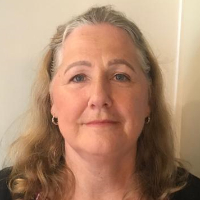
Cheryl H. Williams
LCSW
Virginia - 30 yrs exp




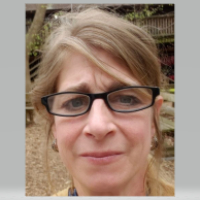
Yasaman Sherbaf
LPC
Virginia - 3 yrs exp


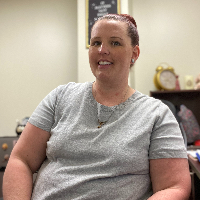


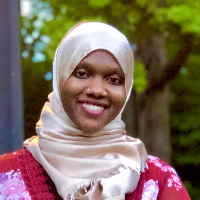
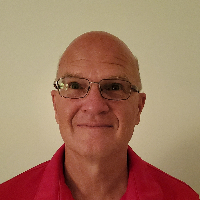

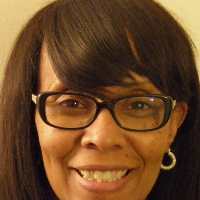



How isolation and loneliness therapy can help you in Virginia
If you are feeling disconnected, overwhelmed by solitude, or stuck in patterns that increase loneliness, therapy can offer practical strategies and ongoing support. In therapy you and a clinician work together to identify the factors that contribute to isolation - such as life transitions, work demands, relocation, or difficulty forming close relationships - and to develop steps that help you reconnect with others and with your own sense of purpose.
For Virginia residents, therapy often combines skills-based approaches with attention to local context. Your therapist can help you build social routines that fit your region, whether that means exploring community options near Virginia Beach, finding activities in Richmond that match your interests, or connecting with neighborhood groups in Arlington. The work is aimed at reducing loneliness and helping you feel more engaged in daily life rather than promising a quick fix.
Finding specialized help for isolation and loneliness in Virginia
When searching for a therapist in Virginia, look for clinicians who list isolation, loneliness, social anxiety, or relationship-building among their specialties. Therapists with experience in cognitive-behavioral approaches, interpersonal therapy, or emotion-focused work often integrate practical exercises you can apply between sessions. Licensure matters because it ensures training and adherence to state practice standards; many therapists will note their Virginia licensure and relevant certifications on their profiles.
Consider geography and modality as you search. If you prefer meeting in person, check options near you - coastal communities and university towns often have different resources than suburban areas. If you live near Virginia Beach, you may find groups and community programs tied to coastal living and military communities. In Richmond, there may be a wider range of specialty clinics, while Arlington offers options that reflect its commuter and urban demographics. If in-person care is difficult because of transportation, schedule, or mobility, online sessions can broaden your options across the state.
What to expect from online therapy for isolation and loneliness
Online therapy can make it easier to access clinicians who focus on isolation and loneliness without long travel times. Sessions commonly occur by video or phone and follow similar structures to in-person appointments: an initial assessment, collaborative goal setting, and a mix of discussion and skill practice. You can expect your therapist to ask about your social routines, mood patterns, and any barriers to connection, then help you design small, realistic steps to increase meaningful contact with others.
Many people find online sessions helpful because they allow continuity when life is busy or when seasonal patterns affect social activities. If you travel between cities such as Richmond and Arlington, or if you live in a rural part of Virginia with fewer local options, online therapy can preserve continuity with a clinician whose approach resonates with you. Before starting, ask about scheduling flexibility, technology requirements, and how the clinician handles cancellations or rescheduling so you know what to expect.
Common signs that you might benefit from isolation and loneliness therapy
You might consider reaching out to a therapist if you notice persistent feelings of emptiness, a sense that your social life is shrinking despite wanting connection, or recurring thoughts that you do not belong. You may find that you withdraw more than you intend, avoid invitations due to worry or fatigue, or feel anxious about initiating conversations. Physical symptoms such as changes in sleep, appetite, or energy can accompany prolonged loneliness, and you may notice that daily routines feel less meaningful.
If loneliness is affecting your work, relationships, or motivation, therapy can help you explore underlying beliefs and practical strategies. Therapy is also useful when isolation follows a life change - for example after moving to a new city, ending a relationship, retiring, or experiencing the loss of a loved one. In such transitions you may need support in rebuilding social networks and discovering activities that align with your values.
Practical tips for choosing the right therapist in Virginia
Start by checking therapist profiles for mentions of isolation, social skills work, or related areas such as social anxiety and grief. Read about their approach and look for descriptions of techniques that appeal to you, whether that is cognitive-behavioral work focused on changing patterns, relational therapy that explores attachment and connection, or coaching-style support that emphasizes behavioral activation. If you are interested in short-term, skill-based work or prefer open-ended therapy, look for clinicians who describe those options.
Consider logistics like location and availability. If you prefer in-person meetings, search within commuting distance of where you spend most of your time. For example, you may prefer a clinician near your workplace in Arlington or a therapist close to home in Virginia Beach. If you plan to use online sessions, check whether the therapist is licensed to practice in Virginia and whether their hours fit your schedule. Ask about fees and whether they offer sliding scale rates or accept insurance so you can estimate out-of-pocket costs.
Initial contact is often the best way to get a sense of fit. Many therapists offer a brief phone consultation or an intake session that lets you describe your concerns and hear how they would approach treatment. Use that conversation to notice how the clinician listens and whether their style feels supportive and practical. Trust your judgment - a therapist who helps you feel understood and gives realistic steps for change is a strong candidate for helping with isolation and loneliness.
Building connection beyond therapy
Therapy is often most effective when paired with deliberate efforts to broaden social contact. Your therapist can help you identify neighborhood resources, interest-based groups, volunteer opportunities, and low-pressure ways to practice social skills. In coastal regions or college towns you may find community programs, recreational meetups, or interest groups that match your hobbies. In cities such as Richmond and Arlington, cultural events and neighborhood associations can offer natural ways to meet people.
Start with small, achievable steps and celebrate incremental progress. Reaching out to one new person, attending a single event, or establishing a weekly routine of contact can begin to shift patterns of isolation. Over time these steps often lead to more sustained relationships and a stronger sense of belonging.
Next steps
If loneliness or isolation feels like a regular part of your life, choosing to explore therapy is a constructive move. Use the listings above to compare therapist profiles, look for clinicians who mention isolation, loneliness, or social skills in their specialties, and reach out for an initial conversation. With the right support, you can build practical routines and relational habits that help you feel more connected to the community and to the people who matter to you.
Whether you are seeking in-person help near Virginia Beach, Richmond, or Arlington, or prefer online sessions that fit your schedule, the right clinician can partner with you to design realistic steps toward a more connected life.