Find a Fertility Issues Therapist in Virginia
This page features therapists in Virginia who focus on fertility issues and reproductive emotional health. You will find clinicians serving communities across the state, including Virginia Beach, Richmond, and Arlington. Browse the listings below to compare approaches and reach out to practitioners who match your needs.


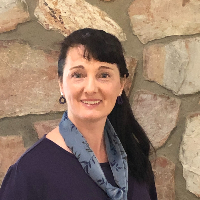



Dr. Lora Horowitz
LPC
Virginia - 5 yrs exp


















How fertility issues therapy works for Virginia residents
When you seek therapy for fertility-related concerns in Virginia, the process typically begins with an initial assessment where you and a clinician explore the emotional, relational, and practical impacts of fertility challenges. Therapy is tailored to your situation - whether you are navigating infertility, pregnancy loss, adoption decisions, assisted reproductive technologies, or the stress of medical treatment schedules. Sessions are focused on helping you develop coping strategies, manage uncertainty, process grief or disappointment, and strengthen relationships affected by fertility stress.
Therapists often combine evidence-based approaches with client-centered care to address the wide range of emotions that can accompany fertility journeys. Many practitioners coordinate with your reproductive healthcare team when appropriate, helping you translate medical information into manageable emotional steps and supporting decision-making through periods of ambiguous outcomes. In Virginia, you can access therapists in large urban centers as well as providers offering remote sessions for people living farther from clinic hubs.
Finding specialized help for fertility issues in Virginia
Finding a therapist who understands fertility concerns starts with looking for clinicians who list reproductive mental health, perinatal mental health, or fertility counseling among their specialties. You may also search for experience supporting people through miscarriage, stillbirth, in vitro fertilization cycles, egg or sperm donation, surrogacy, or adoption transitions. In larger cities such as Virginia Beach, Richmond, and Arlington you will often have more options for in-person care, while teletherapy expands access across the whole state.
Consider where you want to receive care - some people prefer in-person appointments near their fertility clinic, while others choose remote sessions that fit into a treatment schedule or travel needs. If you live near a major medical center, you may find clinicians with established working relationships with fertility clinics and reproductive endocrinologists. If you are in a more rural area, remote therapy can connect you with specialists who focus on fertility-related concerns even if they are based in another city.
Local considerations
Virginia’s diverse communities mean cultural competence and sensitivity to personal values are important. You may want a clinician familiar with your cultural background, language, or faith-related perspectives on family building. In metropolitan areas like Richmond and Arlington there are often clinicians with niche expertise - for example, working with LGBTQ+ family planning, multicultural fertility care, or people pursuing donor conception. If you are in Virginia Beach or other coastal regions, practical matters such as commute times and clinic proximity can shape whether you prefer in-person or remote sessions.
What to expect from online therapy for fertility issues
Online therapy in Virginia offers flexibility when medical appointments and treatments make scheduling difficult. You can expect to meet with a therapist via video, phone, or asynchronous messaging according to the clinician’s practice model. Online sessions function much like in-person sessions in terms of therapeutic conversation, skill-building, emotional processing, and relational work. Therapists will typically establish boundaries around crisis management, explain how to reach emergency services if needed, and set expectations for response times outside scheduled sessions.
Teletherapy can be particularly useful during intensive treatment periods, such as during IVF cycles, when travel and frequent clinic visits are common. It also allows you to continue established therapeutic work if you relocate within Virginia or travel for treatment. Before beginning, confirm whether your therapist is licensed to practice in Virginia and whether they offer evening or weekend appointments if your treatment schedule requires them. It is also helpful to ask about the technology used, accessibility needs, and any paperwork or intake steps you will complete electronically.
Common signs that you might benefit from fertility issues therapy
You might consider seeking therapy if fertility concerns are causing persistent anxiety, trouble sleeping, overwhelming sadness, or a sense of hopelessness about the future. Relationships often show strain in these circumstances, so you may notice increased conflict with a partner, withdrawal from friends or family, or difficulty communicating about medical decisions. Some people experience significant grief after pregnancy loss or multiple unsuccessful treatment cycles, and you may find that the usual coping strategies are no longer enough to help you function at work or in daily life.
Other signs include avoidance of social situations where pregnancy or children are likely to be discussed, intrusive thoughts about reproductive health, or increased substance use as a way to cope. You may also benefit from therapy if you are facing complex choices - such as whether to pursue further treatment, to explore donor conception, or to pursue adoption - and want a space to weigh options with emotional clarity and values-aligned support.
Tips for choosing the right therapist for this specialty in Virginia
Start by identifying what matters most to you - whether that is a clinician’s training in reproductive mental health, experience with certain treatment pathways, or cultural and linguistic match. Read profiles to learn about a therapist’s approach to fertility-related work and whether they describe supporting individuals, couples, or families. If you need coordination with medical teams, ask whether the therapist has experience communicating with reproductive clinics or working alongside medical providers.
Practical considerations matter too. Review availability and whether the clinician offers in-person sessions in places like Richmond or Arlington, or remote options that work for your schedule. Ask about fees, insurance acceptance, sliding scale options, and cancellation policies so you can plan around the cost and demands of fertility treatment. When you reach out for an initial consultation, note how comfortable you feel with the clinician’s communication style, how they respond to your questions, and whether they seem familiar with the emotional rhythms of fertility care.
Questions to consider during first contact
When you contact a therapist, consider asking about their experience with fertility-related issues, typical therapeutic approaches they use, and how they support couples or partners when both are involved in treatment. You may inquire about their experience with grief and loss, trauma related to medical procedures, or working with clients pursuing assisted reproductive technologies. It can also be helpful to ask how they handle scheduling around treatment cycles and whether they provide brief check-in sessions during intensive medical periods.
Choosing a therapist is a personal decision and it is reasonable to try a few different professionals until you find the right fit. If you live near Virginia Beach, Richmond, Arlington, or another community in Virginia, you have options for in-person and remote care. Trust your sense of comfort and rapport while also paying attention to clinical qualifications and approach.
Moving forward
Pursuing therapy for fertility issues can be a step toward improving your ability to cope with the emotional complexity of reproductive challenges. Whether you are preparing for treatment, processing loss, making family-building decisions, or trying to reduce stress during ongoing care, a therapist can help you develop resilience and clearer communication with partners and providers. Use the listings above to identify clinicians whose experience and approach match your needs, and reach out to schedule an initial conversation. With thoughtful support tailored to your situation, you can navigate the next steps with more clarity and emotional steadiness.