Find a Female Therapist in Virginia
On this page you will find listings of female therapists who practice in Virginia, including those offering in-person and online appointments. Browse profiles by specialty, location, and approach to find professionals serving areas such as Virginia Beach, Richmond, and Arlington. Use the listings below to review credentials and reach out to therapists who match your needs.

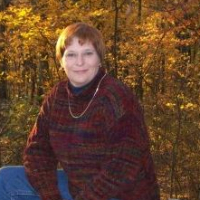













Cheryl H. Williams
LCSW
Virginia - 30 yrs exp









How female therapist therapy typically works for Virginia residents
If you are looking for a female therapist in Virginia, the process usually begins with an initial outreach to schedule a consultation or intake session. That first conversation is an opportunity to ask about a therapist's training, areas of focus, treatment approach, and availability. Many therapists will offer a brief phone or video consult to help you decide if you want to move forward with ongoing sessions. Once you begin working together, sessions commonly occur weekly or every other week for a set number of weeks, or on an open-ended basis depending on your goals and progress.
Therapists who identify as female may bring particular perspectives or areas of expertise related to women's life stages, reproductive health, relationship dynamics, and social stressors. In Virginia, you will find practitioners using a range of modalities - from evidence-informed talk therapies to somatic approaches - and many will tailor their work to your cultural background, identity, and personal preferences. Whether you meet in a comfortable office in a neighborhood of Richmond or through a video session while you live near Virginia Beach, the therapeutic relationship is shaped by collaboration and clarity about goals.
Finding specialized help for women's concerns in Virginia
When you are seeking a therapist who specializes in women’s issues, consider what kind of expertise matters most to you. Some professionals focus on perinatal mental health and can support pregnancy, postpartum adjustment, and fertility-related stress. Others concentrate on reproductive transitions such as menopause or hormone-related mood changes. There are therapists with training in trauma, relationship counseling, grief work, or career and identity issues that commonly intersect with women's lives.
Begin by searching for therapists who list the issues you want support with. Many listings let you filter by approach and specialty so you can find someone who emphasizes trauma-informed care, family systems, or cognitive-behavioral methods. If you live near larger population centers like Arlington or Norfolk, you may have more options for niche specialties. For smaller communities, online appointments widen access to professionals across Virginia, allowing you to connect with a clinician whose experience aligns closely with your needs.
What to expect from online therapy for women's issues
Online therapy can be a practical option if you have scheduling constraints, transportation challenges, or prefer meeting from home. In Virginia, licensed therapists provide teletherapy using video or phone sessions, and you can expect the same professional standards around boundaries, scheduling, and informed consent as with in-person work. Before your first remote session, a therapist will typically review personal nature of sessions practices, session length, fees, and cancellation policies so you know what to expect.
During an online session you can expect a conversational, goal-oriented process. Sessions often begin with an exploration of current concerns, then move to identifying patterns, building coping skills, and practicing new ways of relating to yourself and others. For many people, virtual sessions reduce barriers to consistent care - you can attend from a quiet room at home or from a parked car between commitments. If in-person work is important, therapists in Richmond, Alexandria, and other cities often offer a mix of options, allowing you to transition between formats as your needs change.
Common signs you might benefit from female therapist therapy
You might consider reaching out to a female therapist if you notice persistent feelings that interfere with daily activities, if relationships feel consistently strained, or if you are navigating a life transition that feels overwhelming. Many people seek therapy for anxiety, low mood, or difficulty managing stress, but you might also pursue support for specific women's health concerns such as fertility-related grief, pregnancy or postpartum adjustment, or changes during menopause. If you find yourself withdrawing from friends and activities you once enjoyed, or if work and family demands leave you feeling depleted, therapy can offer a space to reflect and build resilience.
Other signs that it could be helpful to consult a therapist include repeated patterns in relationships that cause hurt, unresolved trauma responses that influence your current life, or a desire to understand how gender and cultural expectations affect your sense of self. You do not need to reach a crisis point to benefit from therapy; preventive or growth-oriented work can support long-term wellbeing and help you develop healthier ways to cope with challenges.
When immediate support feels necessary
If you are experiencing thoughts of harming yourself or others, or if a mental health crisis is unfolding, it is important to seek immediate assistance through local emergency services or crisis lines. A therapist can help you plan for safety and connect you with urgent resources, but in moments of acute danger you should access emergency care right away. For ongoing concerns that are not immediately life-threatening, a timely therapy appointment can provide steady support and practical strategies.
Tips for choosing the right female therapist in Virginia
Start by clarifying your priorities. Think about whether you prefer a therapist who shares aspects of your identity, such as gender or cultural background, or whether training and approach are more important. If you have a specific concern - for example, perinatal mental health or trauma recovery - look for clinicians who list those specialties and have relevant training. Consider logistics like appointment times, whether they offer evening hours, and whether they provide online sessions if that is important to you.
When you contact a therapist, ask about their experience with the issues you bring, how they measure progress, and what a typical session looks like. Many clinicians are happy to explain their approach and whether they think they are a good fit. You should also ask about practical matters such as fee structures, sliding scale availability, and cancellation policies. If you live in or near Virginia Beach, Richmond, or Arlington, you can often find therapists who also collaborate with local obstetricians, primary care providers, or community organizations to create coordinated care when needed.
Trust your instincts when assessing fit. It is normal to try a few sessions to see how the relationship feels. If you do not feel heard or understood after a reasonable trial, it is appropriate to look for someone else. Good therapeutic work depends on a sense of connection and a shared plan for what you hope to achieve.
Practical steps to get started
Begin by reviewing therapist profiles to identify a few candidates, paying attention to their stated specialties, training, and the populations they serve. Reach out to schedule an initial consultation and prepare a few questions that reflect your priorities - for example, how they approach perinatal anxiety or supporting relationship transitions. Consider whether you prefer in-person appointments in a local office or the convenience of online sessions, and ask about insurance or payment options if cost is a concern.
As you move forward, give yourself permission to take the time needed to find a good match. Therapy is an investment in your wellbeing, and finding a female therapist who understands your experiences as a woman in Virginia can make a meaningful difference in how you navigate life, relationships, and stress. Whether you connect with someone in Alexandria for weekly sessions or work with a clinician online while living near Norfolk, there are thoughtful options to help you meet your goals in 2026 and beyond.