Find a Blended Family Issues Therapist in Virginia
This page helps you find therapists across Virginia who focus on blended family issues, including stepfamily transitions, co-parenting challenges, and role negotiation. Browse the listings below to compare specialties, locations, and availability and connect with a clinician who fits your family’s needs.





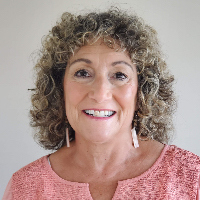


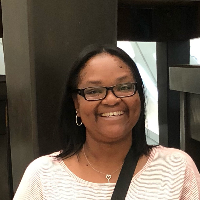
Linda Giles
LPC, LCMHC
Virginia - 28 yrs exp











How blended family issues therapy works for Virginia residents
When you seek therapy focused on blended family issues in Virginia, you are choosing a process that centers on communication, expectations, and relationship patterns. Therapy typically begins with an assessment of family history, household structure, and immediate concerns. You and the therapist will explore the practical rhythms of daily life - who manages which responsibilities, how discipline and routines are handled, and how loyalty conflicts are experienced by children and adults. Over time you will work on building shared strategies for co-parenting, establishing consistent rules across households when appropriate, and addressing the emotional fallout that can come from loss, remarriage, and changing roles.
Therapists who specialize in blended family matters often draw on family systems approaches, attachment-informed interventions, and behavioral techniques to improve interaction patterns. In Virginia, clinicians adapt these approaches to the local context, taking into account the state’s cultural diversity, urban and rural differences, and logistical realities like school districts and custody arrangements. Whether you live near Virginia Beach, Richmond, Arlington, or a smaller community, therapy can help you create routines and relational boundaries that make daily life more manageable.
Finding specialized help for blended family issues in Virginia
Finding the right clinician means looking for someone who understands both the universal challenges of blending households and the particulars of your situation. You can search for therapists who list blended family issues as a specialty and then read clinician profiles to learn about their training, modalities, and experience with stepfamilies and co-parenting conflicts. Pay attention to whether a therapist has experience with the age ranges of the children involved, familiarity with divorce and custody processes in Virginia, and a history of working with couples as well as with individual parents and children.
Consider practical details that matter where you live. If you are in an urban center like Richmond or Arlington, you may have access to therapists who offer evening hours and a variety of evidence-informed approaches. If you are in coastal Virginia Beach or a more rural part of the state, teletherapy options and flexible scheduling may be particularly helpful. Many therapists will also coordinate with schools, pediatricians, or family lawyers when appropriate - ask about these partnerships when you contact a clinician.
What to expect from online therapy for blended family issues
Online therapy has become a common option for blended families in Virginia, and it can be especially useful when schedules are hectic or household members live in different places. In an online session you will still engage in the same kinds of conversations you would have in person - assessing patterns, practicing communication skills, and creating concrete plans for change. Some families prefer joint sessions with partners and children present, while others use a mix of individual and family sessions to balance everyone's needs.
Expect the therapist to set clear goals and to suggest exercises you can try between sessions, such as structured family meetings, scripts for difficult conversations, and routines that promote predictability for children. Online sessions can also make it easier to include a co-parent who lives in another city or state. Note that therapists will typically discuss logistics like session length, fees, and whether they can provide documentation for schools or legal proceedings in Virginia, so you know what to expect before committing to a therapeutic plan.
Common signs you might benefit from blended family issues therapy
You might consider seeking a therapist if you notice recurring conflict around parenting responsibilities, persistent loyalty conflicts from children, or tension between step-parents and biological parents. Other signs include repeated arguments about discipline, routines, or financial responsibilities; a sense that communication has broken down; or unresolved grief related to the loss of a former family structure. If children are showing changes in behavior, mood, or school performance after a remarriage or change in household composition, therapy can be a place to sort out what is happening and to create a responsive plan.
It is also common to seek help during transition points - moving in together, having a new baby, blending finances, or navigating holiday schedules. These moments often surface underlying differences in expectations. Therapy gives you a structured setting to negotiate agreements, clarify expectations, and reduce the emotional intensity that can make routine disagreements feel larger than they are.
Tips for choosing the right therapist for this specialty in Virginia
Start by identifying what matters most to you - a therapist with experience in working with teenagers, someone who can consult with schools in Richmond or Virginia Beach, or a clinician who offers evening or weekend sessions to fit an Arlington commute. Read profiles carefully to understand a therapist's orientation, training, and interest areas. When you contact a clinician, ask about their specific experience with blended family issues and how they measure progress. A good therapist will be able to describe a typical course of work and to offer examples of strategies they use without promising a one-size-fits-all solution.
Pay attention to logistical fit as well. Verify licensure in Virginia and ask about teletherapy options if travel or distance is a concern. If custody agreements or legal considerations are part of your situation, inquire whether the therapist can provide observational reports or collaborate with attorneys while maintaining professional boundaries. It is perfectly reasonable to have an initial consultation with a few therapists before deciding - rapport matters, and you should feel heard and understood in early conversations.
Making the most of therapy in city and community contexts
Where you live in Virginia can shape the kinds of challenges and resources you encounter. In larger cities like Richmond and Arlington you may find a wider variety of specialty groups, parenting workshops, and therapists who focus on blended family dynamics. Virginia Beach families may benefit from clinicians who understand coastal community life and school calendar rhythms. Regardless of location, you can look for community supports such as parenting classes, stepfamily support groups, and family-friendly events that provide opportunities to practice new skills outside the therapy room.
Therapy is a collaborative process that works best when you come with specific goals and a willingness to try new approaches. Whether you are early in the blending process or years into a complex arrangement, a therapist can help you reduce conflict and build strategies that support adult relationships and children's well-being. Use the therapist listings on this page to compare options, and reach out to clinicians whose descriptions align with your priorities. Taking that first step can lead to clearer communication, more predictable routines, and a calmer household life in Virginia.
Next steps
After you review the profiles, consider booking an initial consultation to discuss your family's history, current challenges, and goals. A brief conversation can help you determine whether a therapist's style and experience are a good match. When you find a clinician who feels right, you can begin working toward practical changes that make blending households more manageable and more emotionally sustainable for everyone involved.