Find a Black Therapist in Virginia
This page highlights licensed Black Therapist clinicians offering mental health support across Virginia. Explore profiles of therapists who focus on culturally informed care in cities like Virginia Beach, Richmond, and Arlington and browse the listings below to learn more.

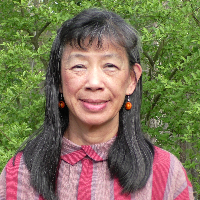
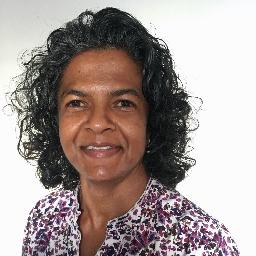

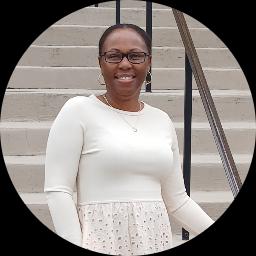

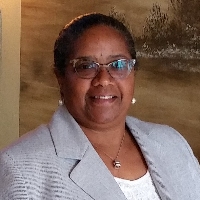
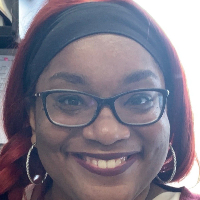
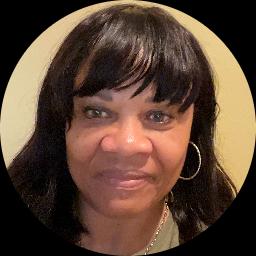
Cheryl H. Williams
LCSW
Virginia - 30 yrs exp

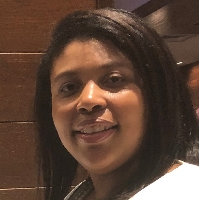
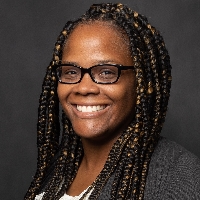
Yasaman Sherbaf
LPC
Virginia - 3 yrs exp




How Black Therapist therapy works for Virginia residents
If you are seeking therapy from clinicians who center Black identity and culture, you will find a range of approaches that aim to integrate cultural knowledge into traditional therapeutic methods. Black Therapist therapy often emphasizes understanding the ways race, community, history, and identity shape your experiences and emotional life. In Virginia, practitioners may offer in-person sessions in urban centers and suburbs or provide remote care so that people in more rural parts of the state can access a clinician with relevant cultural experience.
Therapists who describe themselves as Black Therapist typically combine common therapeutic frameworks - such as cognitive behavioral work, psychodynamic exploration, or trauma-informed care - with an awareness of racial stress, microaggressions, intergenerational trauma, and cultural strengths. When you begin working with a clinician, the initial interactions tend to focus on building a therapeutic relationship, clarifying goals, and creating a plan that reflects both your mental health needs and your cultural context.
What happens in the first few sessions
Your first sessions will usually include an intake conversation where the clinician asks about your history, current concerns, and what you hope to get from therapy. This is a time to share background information about family, community ties, and any experiences related to race or identity that feel important. A culturally focused clinician will invite discussion of how these factors influence your symptoms and coping patterns, and will collaborate with you to set practical goals - whether you are addressing anxiety, depression, relationship strain, grief, or the stress that comes from navigating workplaces and institutions.
Finding specialized help for Black Therapist in Virginia
When you look for a therapist who centers Black identity, you may prioritize clinicians who explicitly list cultural expertise, experience with racial trauma, or work with specific age groups and family systems. In Virginia, therapists may practice in cities like Virginia Beach, Richmond, and Arlington, and their location matters if you prefer in-person sessions. If you need virtual appointments, verify that a therapist is licensed to provide services to people located in Virginia, as licensing rules generally require practitioners to hold an appropriate Virginia credential to offer treatment to residents of the state.
To find a good match, read profiles that outline training, areas of interest, and therapy style. Look for language about community-centered approaches, anti-racist practice, and lived experience if those factors are important to you. Contacting a therapist to ask about their experience with issues you face - for example, racial stress at work, parenting across cultures, or trauma recovery - can help you determine whether their approach aligns with your needs. Local universities, community mental health organizations, and directories focused on culturally responsive care can also point you to clinicians who work across a range of settings in Virginia.
Licensing and credentials to consider
You should verify a therapist's professional credentials and licensure. Common credentials include licensed professional counselor, licensed clinical social worker, and marriage and family therapist. These credentials indicate that the clinician has met education and supervised practice requirements and is authorized to practice in Virginia. Asking about ongoing training in cultural competency, trauma-informed care, or racial identity work can give you a sense of how a clinician stays current in areas that matter to you.
What to expect from online therapy for Black Therapist
Online therapy expands access to clinicians who specialize in Black-centered care, which can be especially useful if you live outside major metropolitan areas or prefer the convenience of remote sessions. When you schedule virtual appointments, you can expect a similar structure to in-person work - intake, goal setting, and regular therapeutic sessions - with adjustments made for phone or video formats. Many people find that the flexibility of online sessions helps them maintain consistent treatment while managing work, family, and commuting demands in places like Richmond or Arlington.
Before your first online session, check what technology the clinician uses and whether they provide clear instructions for joining sessions. Agree on how you will handle scheduling, cancellations, and payment. It is also important to clarify how to access urgent support if you are experiencing a crisis between sessions. Therapists will explain their policies and the appropriate steps for emergency situations so you can feel confident about the practical aspects of remote care.
Common signs you might benefit from Black Therapist therapy
You might consider seeking a clinician who specializes in Black-centered care if you are dealing with persistent feelings that interfere with daily life, such as chronic anxiety, deep sadness, or difficulty concentrating. Relationship difficulties, recurring conflict with family or partners, and challenges with boundaries often respond well to therapy that considers cultural and familial patterns. If you find that racial stress - such as repeated microaggressions, workplace discrimination, or the emotional toll of public events - is affecting your sleep, mood, or sense of safety, a culturally informed therapist can help you process those experiences and develop coping strategies.
Other common reasons people pursue this kind of therapy include navigating identity and belonging, parenting and intergenerational differences, grief and loss, and the cumulative impact of daily stressors. You may also choose culturally focused therapy to reinforce resilience, connect with community strengths, or explore spiritual and cultural practices that support mental health.
Tips for choosing the right therapist for this specialty in Virginia
Start by clarifying what matters most to you in therapy - whether that is shared cultural background, specific clinical experience, therapy style, or logistical factors like location and cost. Read therapist profiles to get a sense of their approach and reach out with a brief message to ask focused questions. Ask about their experience working with issues similar to yours, how they integrate cultural perspectives, and what a typical course of therapy looks like. If you are considering in-person care, you may want to visit offices in cities such as Virginia Beach or Richmond to assess the environment and accessibility.
Consider practical concerns as well. Discuss fees, insurance acceptance, and whether the clinician offers a sliding scale. Ask about session length and frequency and whether they provide short-term, solution-focused help or longer-term exploratory therapy. Many therapists offer an initial consultation or phone call that lets you gauge rapport before committing to a full session. Trust your sense of fit - the relationship you build with your therapist is a key part of effective work.
Thinking about culture, identity, and fit
You may find that cultural fit is more than shared race or background - it includes therapeutic values, communication style, and an ability to understand the social contexts that shape your life in Virginia. Some people prioritize lived experience or activism in addition to clinical training. Others want a therapist who integrates community and family strengths into the work. When you interview clinicians, ask about their experiences with community-based interventions, group work, or collaboration with local resources so you can choose someone whose approach aligns with your expectations.
Next steps
Searching for a Black Therapist clinician in Virginia can be an important step toward feeling more supported and understood. Use the listings above to explore profiles, reach out for initial conversations, and compare options based on clinical experience, logistical fit, and how comfortable you feel with each clinician's approach. Whether you are in Richmond, Arlington, Virginia Beach, or another part of the state, culturally informed therapy can be adapted to your life and goals. Taking that first step to connect with a therapist who centers your cultural context can start a meaningful process of healing and growth.