Find an Aging and Geriatric Issues Therapist in Virginia
This page lists therapists across Virginia who specialize in aging and geriatric issues, offering support for memory changes, caregiving, grief, and life-stage transitions. Browse the therapist listings below to compare profiles, specialties, and contact options to find a good match.




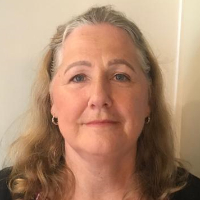
Linda Giles
LPC, LCMHC
Virginia - 28 yrs exp


















How aging and geriatric issues therapy works for Virginia residents
If you are exploring therapy related to aging, you will find approaches that focus on the emotional, cognitive, and practical challenges that often come with later life. Therapists trained in this area work with older adults, family members, and caregivers to address concerns such as mood changes, memory-related stress, relationship shifts, and planning for changing needs. Treatment may involve short-term strategies to manage a specific stressor or longer-term work to adjust to loss, chronic health conditions, or shifting roles. Many providers tailor sessions to the pace and communication style that work best for older clients, and they may include family sessions when coordination with caregivers is helpful.
In-person and local options in Virginia
Across Virginia, from Virginia Beach to Richmond and Arlington, you can access therapists who meet with you in office settings, community centers, or clinics associated with hospitals and senior service programs. In-person care can be especially helpful when hands-on assessments, cognitive screening, or coordination with local health services are needed. Local therapists often have relationships with area geriatric care managers, social workers, and senior centers, which can make referrals and follow-up smoother when you need help arranging in-home supports or community resources.
Combining therapy with other supports
Therapy for aging and geriatric issues often works alongside medical care, social services, and practical supports. You may find it helpful when a therapist communicates with your primary care provider, home health team, or long-term care planner to align emotional support with medical and functional needs. If you or a loved one is balancing multiple appointments, your therapist can help prioritize goals so that sessions focus on what matters most to daily well-being and decision-making.
Finding specialized help for aging and geriatric issues in Virginia
When you search for specialized help, look for therapists who mention experience with older adults, caregiver support, bereavement, or cognitive changes in their profiles. In larger cities such as Richmond, Arlington, and Virginia Beach you are more likely to find clinicians who list geriatric certification, additional training in late-life mood disorders, or partnerships with eldercare services. If you live in a smaller town, you can still find clinicians who provide telehealth or who travel to community clinics. It is also useful to ask local hospitals, senior centers, or your primary care provider for recommendations to ensure the therapist has experience relevant to your needs.
Language, cultural competence, and familiarity with issues common to your community are important considerations. For example, you may prefer a therapist who understands the stressors faced by military families in Norfolk and the Hampton Roads area, or someone who has experience with the diverse aging population in Alexandria. Asking about past work with topics like caregiving burnout, memory support, or end-of-life adjustment helps you identify clinicians with the right background.
What to expect from online therapy for aging and geriatric issues
Online therapy can expand access to specialists, especially if local in-person options are limited. If you choose online sessions, you will typically use video or phone calls to meet with a therapist. Sessions can take place in a quiet room at home, at a local library meeting area, or wherever you can find a comfortable environment for conversation. Therapists often adapt activities to the online format by using simple digital tools, sharing worksheets, or involving a caregiver in a session when appropriate.
Some older adults prefer phone sessions when video feels unfamiliar, while others appreciate the visual connection that video allows. It is reasonable to ask a potential therapist about their experience delivering remote care to older clients, how they handle technical issues, and whether they can help coordinate with local supports. If mobility or transportation is a concern, online therapy can reduce barriers while still offering consistent emotional and practical guidance.
Common signs that someone in Virginia might benefit from aging and geriatric therapy
You may consider therapy if you notice persistent changes in mood, such as prolonged sadness, irritability, or withdrawal from social activities that you once enjoyed. Memory changes that cause increasing worry or interfere with daily routines may merit support, particularly when they produce anxiety or family tension. Caregivers often seek therapy when stress affects sleep, health, or relationships, or when balancing care responsibilities starts to feel overwhelming. Life transitions such as retirement, relocation, loss of a partner, or a new diagnosis can also prompt feelings that are hard to manage alone.
If you are worried about safety, medication management, or the ability to make decisions, therapy can help clarify next steps and connect you with local resources. You do not need a diagnosis to benefit from counseling; many people pursue therapy to develop coping strategies, improve communication with family members, and make informed plans about the future.
Tips for choosing the right therapist for this specialty in Virginia
Start by reviewing therapist profiles to see who lists experience with older adults and the specific concerns you want to address. Consider the therapist's approach - some clinicians focus on problem-solving and practical coping skills, while others emphasize meaning-making and grief work. Ask about session length, availability, fees, and whether the clinician can communicate with other members of your care team. It is appropriate to inquire about licensure and training in areas such as gerontology, cognitive-support strategies, or family caregiving. In Virginia, verifying a clinician's license with the state licensing board is a reasonable step to confirm credentials.
Location and scheduling matter. If you live near Richmond or commute to Arlington, you might prefer someone who offers flexible hours or evening appointments. If you rely on a caregiver for transportation, a clinician who offers online sessions or who is located close to transit options can reduce stress. Cultural fit is also important - you should feel comfortable discussing personal topics and confident that the therapist respects your values. Trust your instincts during an initial consultation; it is normal to try more than one clinician before finding the right match.
Practical next steps
Before your first appointment, think about what you want to accomplish in therapy and share that with the clinician. If a family member will participate, discuss how you want them involved. Bring a list of current medications, major health conditions, and any recent assessments so the therapist has context. If you are helping arrange care for someone else, coordinate with the older adult as much as possible so they remain involved in decisions. After a few sessions you should have a sense of whether the approach and pace feel right, and you can ask the therapist to adjust goals or methods to better suit your needs.
Finding supportive, knowledgeable therapy for aging and geriatric issues is about identifying clinicians who understand the unique challenges of later life and who can work with you in the setting that fits your lifestyle. Whether you search listings for providers near Virginia Beach or explore telehealth options that reach into rural parts of the state, the right match can help you and your family navigate transitions with more confidence and practical tools for day-to-day living.