Find a Domestic Violence Therapist in Utah
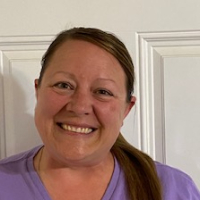
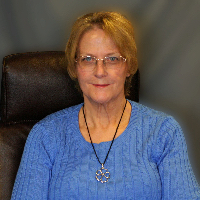
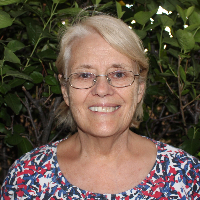
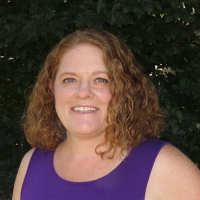
This page lists licensed therapists in Utah who focus on domestic violence recovery, trauma-informed care, and safety-focused planning. Browse the practitioner profiles below to compare approaches, availability, and areas of expertise.


















How domestic violence therapy works for Utah residents
If you are seeking help after experiencing domestic violence in Utah, therapy is often part of a broader plan that includes safety, legal guidance, and community support. A therapist who specializes in domestic violence will typically begin by listening to your story, assessing immediate safety needs, and discussing short-term steps that reduce risk. Over time you and the therapist work on healing from trauma, rebuilding trust in your own decisions, and strengthening coping skills so you can manage triggers and stressful situations in daily life.
Therapists in Utah often coordinate with advocates, legal professionals, and local support services to ensure that therapeutic work fits into a practical plan for your life. That coordination helps when you need documentation for court, referrals to shelter or housing services, or guidance on navigating protective orders. In rural parts of the state, as well as in cities like Salt Lake City and St. George, therapists may also help you connect with regional resources that match your needs.
Finding specialized help for domestic violence in Utah
When you begin looking for specialized help you may notice differences in training, approach, and experience among clinicians. Some therapists focus primarily on trauma-informed care and evidence-based trauma therapies, while others bring additional training in survivor advocacy, cultural competence, or work specifically with people who have used abusive behavior and seek change. In urban centers such as Salt Lake City and Provo there tends to be more availability of clinicians with advanced trauma training, while in smaller communities you might find clinicians who offer a broader range of family and trauma services. Telehealth options further increase access across the state so that people in remote counties can connect with therapists who have the precise specialization they need.
As you compare profiles, look for clinicians who describe experience with domestic violence, trauma, and safety planning. Ask about training in trauma-focused modalities and whether they have experience collaborating with local advocacy organizations. A well-matched therapist will respect your choices about timing, pace, and the types of interventions you are most comfortable with.
What to expect from online therapy for domestic violence
Online therapy has become a common way for people in Utah to access domestic violence services, especially if travel, work schedules, or childcare make in-person sessions difficult. In an online session you can expect real-time conversations through video or phone, and some clinicians also offer messaging between sessions for check-ins. Therapists will typically discuss how to maintain your privacy during online work and outline steps to take if you need immediate help during or after a session.
Before starting online therapy, talk with your clinician about safety planning specific to remote sessions. This can include establishing a code word to pause a conversation, arranging a plan for when you cannot be alone during a session, and understanding how telehealth records are handled. Many people find that online sessions allow them to continue consistent work even if they move between cities like West Valley City and Ogden, or if they relocate within Utah for safety reasons.
Common signs that someone in Utah might benefit from domestic violence therapy
You may consider seeking therapy if you are struggling with ongoing fear of a partner, frequent arguments that escalate to threats or physical harm, or patterns of control that limit your access to money, friends, or transportation. Other signs include feeling isolated, experiencing repeated humiliation, or noticing symptoms of trauma such as intrusive memories, sleep disturbances, or increased anxiety around certain places or situations. If you have children, you may also be concerned about the effects of conflict on their wellbeing and want support for parenting while managing safety issues.
Therapy is also helpful for people who have left an abusive relationship but continue to cope with the emotional and practical aftermath. It can support you in processing trauma, rebuilding self-esteem, and developing strategies to maintain healthy boundaries in future relationships. If you are unsure whether therapy is a right next step, an initial consultation with a clinician in Salt Lake City, Provo, or your local area can help you explore options without pressure.
Tips for choosing the right therapist for this specialty in Utah
Start by identifying clinicians who list domestic violence, trauma, or related specializations on their profiles. It is appropriate to ask potential therapists about their training in trauma-responsive methods and whether they have experience working with people from backgrounds similar to your own. Consider asking about their approach to safety planning and how they coordinate with local services when necessary. If cultural or faith-based considerations are important to you, inquire about whether the clinician has experience integrating those values into therapy.
Practical factors matter as well. Think about whether you prefer in-person sessions in a nearby office or the flexibility of online appointments. Check whether a clinician offers evening or weekend slots if you need them, and ask about fees and insurance options. Some Utah therapists have experience testifying in court or preparing documentation when legal proceedings are part of a safety plan - if that may be relevant to your situation, mention it during your initial contact. Trust your instincts during an introductory meeting; the right therapist will listen, explain their approach clearly, and support your decisions about next steps.
Navigating local resources and safety in Utah
Your therapist can be one part of a larger support network that may include advocacy services, emergency assistance, and legal help. In cities such as Salt Lake City and West Valley City there are community agencies and programs that specialize in advocacy for survivors, while in Provo and other communities you may find local nonprofits that assist with housing, transportation, and court accompaniment. If you are working with a therapist from outside your immediate area, they can often help you identify local contacts who align with your needs.
If you are in immediate danger, contacting local law enforcement or a crisis line is an important step. A therapist can help you create a practical safety plan and discuss options for emergency housing, financial assistance, and documentation that may be useful in legal proceedings. Keeping copies of important documents and identifying trusted people who can help you are part of a comprehensive approach to long-term safety and recovery.
Continuing care and what recovery can look like
Recovery from domestic violence is rarely linear. You may have days where progress feels strong and others where memories or external stressors make coping difficult. Therapy often focuses on practical coping skills, grounding techniques, and processing trauma at a pace that feels manageable. Many people find group therapy or peer support helpful in addition to individual work, because connecting with others who have had similar experiences can reduce isolation and provide models for healing.
Over time you may notice increased confidence in decision-making, improved emotional regulation, and stronger boundaries in relationships. A therapist in Utah will work with you to set realistic goals and celebrate steps forward while remaining attentive to safety needs. Whether you live in a larger metropolitan area or a smaller town, a thoughtful therapeutic relationship can provide steady support as you rebuild and plan for the future.
Next steps
Use the listings above to compare therapist profiles, read about clinical approaches, and reach out for an initial consultation. Preparing a brief summary of your needs and questions before contacting a clinician can make the first conversation more efficient. If you need immediate assistance or are at risk, prioritize contacting emergency services or a local advocacy program right away. When you are ready to begin, a therapist who specializes in domestic violence can help you create a safety-focused, trauma-informed plan for healing and stability in Utah.