Find an Attachment Issues Therapist in Utah
On this page you’ll find Utah therapists who specialize in attachment issues, offering in-person and online options across the state. Browse the listings below to compare clinicians, read specialties, and connect with someone who fits your needs.

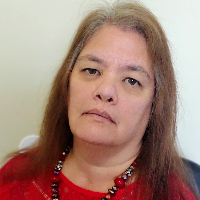




Xou Yang
LMHC, LCMHC
Utah - 8 yrs exp















How attachment issues therapy works for Utah residents
If you are looking into therapy for attachment-related concerns, the process typically starts with an assessment of your relationship patterns, early life experiences, and current interpersonal functioning. Therapists who work with attachment issues pay attention to how you connect to others - whether with partners, family members, or friends - and how those patterns affect your emotional life. In Utah, you can access this care in a variety of settings, including in-person offices in urban centers and teletherapy that reaches into rural communities. The aim is to help you recognize long-standing patterns, learn healthier ways to relate, and develop more stable emotional regulation.
Assessment and initial sessions
Your first few sessions will often be evaluative. A clinician will ask about your history, significant relationships, stressors, and your goals for therapy. They may explore childhood experiences and attachment figures because these early relationships often shape adult attachment styles. Expect a collaborative conversation where you and the therapist decide on a focus and a tentative plan. You will leave those early meetings with a clearer sense of what the work might look like and practical next steps to try between sessions.
Evidence-informed approaches you might encounter
Therapists who specialize in attachment issues use a range of approaches. Some emphasize attachment-based models specifically designed to repair relational patterns, while others integrate emotion-focused, psychodynamic, or cognitive-behavioral techniques to address thinking and behavior alongside feelings. For couples, approaches that directly address relational patterns and communication are common. When trauma is part of the picture, clinicians may add trauma-informed methods to help you process difficult experiences while maintaining emotional safety. Your therapist will tailor the mix of techniques to your needs and pace.
Finding specialized help for attachment issues in Utah
To find the right therapist in Utah, start by looking for clinicians who list attachment, relational, or family systems work among their specialties. Many practitioners based in Salt Lake City, Provo, and West Valley City advertise expertise with adults, couples, and parents trying to change intergenerational patterns. If you live outside those cities, teletherapy can connect you with a clinician who has the exact focus you want. Pay attention to clinician bios that describe their training, the populations they serve, and whether they mention specific attachment-focused trainings or supervised experience working with relational patterns.
Local considerations and accessibility
Utah has a mix of urban and rural communities, and access varies. In larger metro areas you may find a broader selection of attachment-focused clinicians and specialized couples therapists. In smaller towns the options might be narrower, but many therapists offer virtual sessions to bridge those gaps. Consider your scheduling needs, transportation, and whether you prefer evening or weekend availability. If cost is a concern, ask about sliding scale fees, community mental health options, or therapists who offer reduced-rate intake sessions to help you determine fit before committing long term.
What to expect from online therapy for attachment issues
Online therapy can be an effective way to work on attachment concerns, particularly if in-person options are limited where you live. In online sessions you will still have focused time to explore relationship patterns, practice new ways of communicating, and receive coaching on managing strong emotions. Many therapists use video calls that allow for face-to-face interaction, which is important for noticing nonverbal cues. Some clinicians also offer phone sessions or text-based messaging for brief check-ins, but the primary work often happens in longer video sessions where you can practice relational skills in real time.
Practical tips for a productive online experience
To get the most from virtual therapy, choose a quiet, comfortable environment where you can speak freely and focus. Test your technology before sessions and arrive a few minutes early so sessions can begin smoothly. Be open with your therapist about what feels helpful and what does not - online therapy can be adjusted over time, and many clinicians will offer mixed schedules that include occasional in-person meetings if that fits your needs. If you are working on relationship dynamics with a partner, discuss with your therapist whether joint online sessions or separate individual work will be most useful.
Common signs that you might benefit from attachment issues therapy
You might benefit from attachment-focused therapy if you notice recurring patterns in relationships that create pain or instability. This could show up as difficulty trusting others, intense fear of abandonment, difficulty being emotionally close, or a tendency to pull away when relationships become meaningful. You may find yourself repeating patterns you observed in childhood, or reacting strongly to everyday interactions in a way that feels out of proportion. Attachment work is also helpful if you are parenting and want to change patterns so your children have a different experience, or if you are in a relationship where cycles of withdrawal and pursuit keep repeating without resolution.
Recognizing relational patterns in daily life
Pay attention to the moments when connection feels hardest. If you notice that small disagreements escalate quickly, or that you often feel alone even when you are with others, these are useful signals to explore in therapy. Attachment work helps you learn to identify triggers, understand their origins, and practice new responses that reduce reactivity. Over time, that learning can lead to more predictable and satisfying relationships, whether in Salt Lake City social scenes, Provo family networks, or friendships in West Valley City.
Tips for choosing the right therapist for attachment issues in Utah
Choosing a therapist is a personal decision that should combine clinical fit and practical considerations. Start by reviewing clinician profiles to see who mentions attachment work, relational therapy, or experience with families. When you contact a therapist, ask about their experience with attachment-related cases, what approaches they use, and how they measure progress. You can also ask about logistics such as session length, fees, cancellation policy, and whether they offer evening appointments. A short consultation call can give a sense of rapport - if you feel heard and understood in that brief contact, it is often a good sign that the clinician will be a good fit.
Making therapy work for your life
Once you begin, set realistic goals and give the process time. Change in relationship patterns often unfolds gradually as you practice new skills and notice different outcomes. Be willing to discuss moments of discomfort in therapy itself - the therapeutic relationship is part of the work, and difficulties there can be instructive. If you change therapists, that transition can also be part of the healing process as you learn what qualities you need in a clinician. Whether you live in a bustling neighborhood in Salt Lake City, near the university atmosphere in Provo, or in a quieter part of the state, you can find therapists who understand the local culture and the specific stresses and strengths of living in Utah.
Next steps
Start by browsing the profiles on this page and narrowing your list to a few clinicians whose descriptions resonate. Reach out for an initial conversation to learn about approach, experience, and availability. If you are unsure where to begin, consider therapists who offer intake consultations so you can assess fit without committing. Taking the first step to explore attachment-focused therapy is an investment in more satisfying relationships and greater emotional balance - and help is available across communities in Utah, whether through in-person sessions or online care.