Find an Antisocial Personality Therapist in Utah
This page highlights therapists in Utah who focus on Antisocial Personality concerns and related behavioral issues. Browse the profiles below to compare clinicians in Salt Lake City, Provo, West Valley City and other parts of the state.





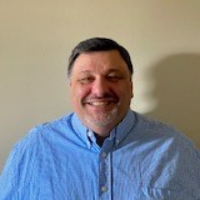
Roberto De Giorgio
LMFT
Utah - 9 yrs exp










How Antisocial Personality Therapy Works for Utah Residents
If you are considering therapy for antisocial personality concerns, it helps to know that treatment is typically structured around assessment, relationship building, and practical skill development. Your first sessions are often focused on understanding patterns of behavior, current life stressors, and how those patterns affect work, relationships, and legal situations. In Utah, clinicians draw from a range of evidence-informed approaches to help you develop clearer goals and measurable changes in how you relate to others and manage impulses. Sessions may include work on emotion regulation, problem-solving, and ways to reduce behaviors that lead to conflict or legal trouble.
Therapy is not a one-size-fits-all process. A clinician in Salt Lake City might use a different balance of individual therapy, group work, and family-involved sessions than someone practicing in a smaller community. If you live outside a major city, online options can connect you with therapists in Provo or West Valley City who have specific training in this area. Over time, you and your therapist track progress and adjust techniques to fit your goals and circumstances.
Finding Specialized Help for Antisocial Personality in Utah
When searching for a specialist, begin by looking for clinicians who list antisocial personality or related behavioral specialties in their profiles. Licensure matters - psychologists, licensed clinical social workers, and licensed professional counselors each bring different training that can influence their approach. In Utah, some therapists have experience working with clients from forensic settings, the criminal justice system, or behavioral health programs; this background can be helpful if your needs intersect with legal or workplace concerns.
Consider the setting that will support your goals. Some people prefer a clinician based in a larger clinic in Salt Lake City where multiple specialists can coordinate care. Others find it easier to work with someone in Provo or West Valley City with shorter travel time or evening availability. If affordability matters, ask about sliding-scale fees, insurance acceptance, or community mental health options in Ogden or St. George that may offer lower-cost services.
What to Expect from Online Therapy for Antisocial Personality
Online therapy has become a practical option for many people in Utah, especially if you live in a rural area or prefer the convenience of remote sessions. When you choose online therapy, expect a similar structure to in-person work - initial assessment, goal-setting, and regular sessions - but delivered through a video or phone format. Therapists will often review safety plans, boundaries, and communication preferences at the outset to ensure sessions are effective and focused.
Therapists can adapt many techniques for remote delivery, such as cognitive-behavioral exercises, role-playing scenarios, and homework assignments. Online work can make it easier to schedule regular appointments if you commute to Salt Lake City or Provo for work, or if your responsibilities vary week to week. Keep in mind that some interventions - for example, intensive group programs or court-ordered evaluations - may still require occasional in-person visits in larger centers like West Valley City or other regional clinics.
Signs Someone in Utah Might Benefit from Antisocial Personality Therapy
You might consider reaching out for an evaluation if recurring patterns cause problems at work, in relationships, or with the law. These patterns can include frequent conflict with others, repeated disregard for rules and agreements, impulsive decisions that create harm, and difficulty feeling remorse or accepting responsibility. If substance misuse, chronic unemployment, or repeated legal involvement are present, therapy can help you explore underlying factors and practical strategies to reduce harm.
Family members, employers, or community providers sometimes notice changes first - for instance, escalating aggression or repeated boundary violations at work. If those observations match your own concerns, seeking a therapist who understands antisocial behavior and its impacts can provide a structured way to assess risk, set goals, and work toward more stable patterns. In Utah communities across the Wasatch Front and beyond, accessing help early can reduce the likelihood of escalating problems.
Tips for Choosing the Right Therapist for This Specialty in Utah
Start by reading therapist profiles to learn about training, typical client concerns, and approaches. You can search for clinicians who mention cognitive-behavioral strategies, behavior-focused interventions, or experience with forensic or court-involved work if those elements are relevant to you. Pay attention to practical details such as whether a therapist offers evening appointments, telehealth options, or in-person sessions in cities like Salt Lake City, Provo, or West Valley City.
When you reach out, prepare a few questions to get a sense of fit. Ask how the clinician approaches goal-setting, how progress is measured, and what a typical session might look like in the first three months. You can also ask about how they work with legal or workplace concerns if those areas affect you. Compatibility is important - a direct, consistent therapist may be more effective for someone who responds to clear structure, while another person might prefer a clinician who focuses on relationship-building and problem-solving over a longer period.
Practical matters matter too. Confirm whether a therapist accepts your insurance or offers a payment plan, and whether they have experience collaborating with other professionals such as probation officers or vocational programs when needed. If you live in a smaller Utah town, ask about telehealth as a way to access clinicians from larger centers without long commutes.
When to Prioritize Immediate Support
If behaviors are creating immediate safety concerns for you or others, or if legal authorities are involved, it is important to seek timely help. Clinics in larger cities and regional services can assist with urgent evaluations, safety planning, and referrals. If you feel at risk of harming yourself or someone else, contact local emergency services or crisis resources without delay. Therapists can also advise on ways to reduce immediate risk and connect you with in-person supports when necessary.
Moving Forward: What Success Can Look Like
Success in therapy is often practical improvement rather than perfection. You and your therapist might measure progress by fewer conflicts at work, more stable relationships, reduced legal involvement, or improved impulse control. You may also find that learning new ways to manage anger, planning ahead to avoid risky situations, and building a routine contribute to better outcomes. In Utah, combining local supports - whether a clinic in Ogden, services in St. George, or remote work with a Salt Lake City clinician - can create a network that helps you maintain gains.
Choosing a therapist is a personal decision and often benefits from a trial period. Many people find it helpful to schedule an initial consultation with a few clinicians to compare styles and decide which approach feels right. Use those conversations to set realistic short-term goals and to understand how the therapist will help track progress over time.
Next Steps
Begin by browsing the listings on this page to identify clinicians who work with antisocial personality concerns in Utah. Look for details about licensure, therapeutic approach, and appointment options in your area. If you find a promising profile in Salt Lake City, Provo, West Valley City, or another Utah community, reach out to schedule a consultation and explore whether that clinician is the right fit for your goals. Taking that first step can open a path to clearer decision-making and safer, more manageable patterns in daily life.