Find a Sexuality Therapist in United Kingdom
This page lists therapists who specialise in sexuality across the United Kingdom, offering both in-person and online options. Browse the profiles below to compare training, focus areas, and availability before getting in touch.
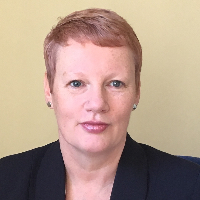









Prisca Coull
BACP
United Kingdom - 6 yrs exp














How sexuality therapy works for United Kingdom residents
Sexuality therapy in the United Kingdom is a form of psychological support aimed at helping people navigate questions about desire, identity, intimacy, function, and relationships. When you contact a therapist you will usually start with an initial assessment where the practitioner asks about what brings you to therapy, your medical and relationship history, and the outcomes you want to achieve. Therapists trained in this area draw on a range of psychological approaches and practical techniques to help you explore thoughts, feelings, behaviours, and relationship patterns that relate to your sexual wellbeing.
Services may be accessed through the National Health Service in some areas or through independent fee-based practice. Practitioners working in the independent sector often offer flexible scheduling, evening appointments, and a wider range of specialisms. Many therapists in the UK are members of professional bodies and follow national ethical standards and continuing professional development expectations. You can expect the first few sessions to be focused on assessment and goal-setting, followed by sessions that combine discussion, skills practice, and tailored interventions appropriate to your situation.
Finding specialised help for sexuality in the United Kingdom
When you look for a sexuality specialist, seek someone whose training and experience match the issues you want to address. Some clinicians focus on sexual pain, some on low desire, and others on identity, compulsive sexual behaviour, or relationship-based concerns. In major cities such as London, Manchester, and Birmingham you will often find a broader range of specialists, including clinicians who work with specific communities or who offer additional training in sex therapy or couples work. If you live outside a large urban area, online options can expand your choices and connect you with practitioners based in Edinburgh, Glasgow, or other locations across the UK.
Search for clinicians who explicitly list sexuality or sexual health in their specialisms and who describe the populations they work with - for example adults, couples, LGBTQ+ clients, or people recovering from trauma. Look for indications of specialist training such as post-graduate certificates in sex therapy, accredited sex therapy training, or years of focused clinical experience. Many therapists also explain their theoretical approach on their profile, which can help you decide whether their style matches your preferences.
What to expect from online therapy for sexuality
Online therapy has become a widely used option in the UK and can be especially helpful when local in-person specialists are limited. When you choose online sessions, you can expect to meet via video, phone, or messaging formats depending on the clinician's offerings. Video calls most closely approximate face-to-face work and make it easier to pick up on non-verbal cues, while telephone sessions can feel more comfortable for some people who prefer not to use video. Text-based options may suit those who want shorter, more flexible contact between scheduled sessions.
To get the most out of online work, arrange a quiet, personal space where you will not be interrupted and ensure your internet connection and device camera or microphone function properly. Therapists will usually agree a plan for managing any emotional distress that arises during sessions, including what to do if you need additional support between appointments. personal nature of sessions practices and record-keeping follow the same professional standards as in-person work, and many clinicians will explain their policies before you start.
Common signs you might benefit from sexuality therapy
You might consider speaking with a sexuality specialist if you are experiencing persistent changes in desire or arousal that cause you worry, if physical difficulties are affecting sexual activity, or if sexual issues are creating tension in a relationship. Questions about sexual identity, orientation, or gender-related concerns that feel confusing or distressing can also be well-suited to specialist support. You may be dealing with the effects of previous sexual trauma, compulsive sexual behaviours that feel out of control, anxiety about performance, or pain during sex, and these are all issues therapists can help you explore in a structured, compassionate way.
If you notice avoidance of intimacy, a pattern of conflict linked to sexual expectations, or emotional distress connected to sexual behaviour, it can be helpful to get an expert perspective before difficulties become more entrenched. Sexual wellbeing is connected to many parts of your life - mood, self-image, and relationships - so addressing sexual concerns can lead to improvements in overall quality of life. You do not need to wait until a crisis to seek help; many people find benefit from early intervention and education about sexual response, communication skills, and relationship strategies.
Tips for choosing the right therapist for this specialty in the United Kingdom
Start by clarifying what you hope to achieve in therapy and then look for clinicians who describe relevant experience. Read profiles carefully to see whether a therapist lists training in sex therapy or related fields and whether they mention working with issues similar to yours. It is reasonable to ask about professional registration, typical session length, fees, cancellation policies, and whether they have experience working with diverse sexual orientations and gender identities.
Consider practical matters too - some therapists offer evening or weekend appointments, and some are available for shorter or longer-term work. If you live in or near London, Manchester, or Birmingham you may have a larger selection of face-to-face specialists, whereas online options will increase accessibility if you are elsewhere in the UK. Language preferences, cultural competence, and affinity for working with certain communities may also matter to you, so look for therapists who describe those aspects of their practice.
An initial consultation is a useful way to assess fit. Use that meeting to ask about the therapist's typical approach, what a course of therapy might look like, and how they measure progress. Pay attention to how comfortable you feel discussing sensitive topics and whether the clinician listens and responds in a way that feels respectful and clear. Trusting the therapeutic relationship is an important component of effective work, so choosing someone you feel at ease with is as important as their qualifications.
Practical considerations and next steps
When you are ready to make contact, prepare a short summary of what you are seeking and any logistics the therapist may need - for example whether you want couple sessions, whether you require evening appointments, or whether you prefer online-only work. Ask about fees and whether any reduced-rate options are available. If you are considering NHS support, your GP can advise on local pathways and referral options, though waiting times may vary by area.
Finding the right sexuality therapist can feel daunting, but taking the time to read profiles, check credentials, and use initial consultations to evaluate fit will help you make an informed choice. Whether you are in a large city like London, Manchester, or Birmingham or in a smaller town, there are routes to get specialised help, and online appointments can bridge geographical gaps. Browse the listings on this page to compare clinicians, then reach out to a few who seem like a good match so you can start the process of getting the support you need.