Find a Self-Love Therapist in United Kingdom
This page lists Self-Love therapists serving the United Kingdom, including clinicians based in major cities and regional areas. Use the directory below to review practitioner profiles, approaches and locations, and browse listings to find a therapist who meets your needs.


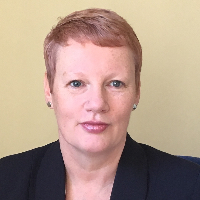
















Prisca Coull
BACP
United Kingdom - 6 yrs exp





How self-love therapy works for United Kingdom residents
When you seek self-love therapy in the United Kingdom you are looking for an approach that helps you shift long-standing patterns of self-criticism, low self-worth and people-pleasing into more supportive ways of relating to yourself. Therapy typically begins with an assessment conversation in which a practitioner will ask about your history, what you want to change and which moments in your life feel most painful or draining. From there you and your therapist will agree on goals and a working plan - this could involve exploring past experiences that shaped your self-view, practicing new self-affirming behaviours, or learning emotion regulation strategies that reduce harsh self-judgement.
Therapists who specialise in self-love work often draw on a blend of therapeutic models rather than a single method. Approaches such as cognitive-behavioural techniques, compassion-focused work, acceptance and commitment therapy, and relational or psychodynamic therapies can each contribute useful tools. The pace of the work tends to be collaborative: you keep input on what feels manageable and what feels too intense, and your therapist tailors sessions so that you can build resilience without becoming overwhelmed.
Finding specialised help for self-love in the United Kingdom
There are a variety of routes to finding specialised self-love support across the UK. If you prefer in-person meetings you can look for practitioners in major centres such as London, Manchester and Birmingham where a broad range of therapists work with self-worth and self-compassion issues. In smaller cities and towns you may find therapists who offer a strong focus on relationships, body image, or trauma-informed self-acceptance, all of which intersect with self-love.
When searching, check therapist profiles for specific experience with self-esteem, self-compassion or related themes. Many listings will note training and therapeutic orientation, and whether a therapist offers short-term goal-focused work or longer-term exploratory therapy. In the UK context you might also look for practitioners who are registered with recognised professional bodies, and who are comfortable discussing fees, session length and practical arrangements so you understand what to expect from the start.
What to expect from online therapy for self-love
Online therapy has become a common and effective way to access self-love work no matter where you live in the United Kingdom. When you choose video or phone sessions you can often find a wider range of specialists than would be available locally, which is particularly useful if your area has fewer clinicians who advertise self-love as a focus. Online work typically mirrors in-person sessions in structure - a check-in, exploration of themes and practice of techniques - but it can add flexibility around scheduling and travel.
To get the most from online therapy, look for a therapist who explains how they manage session boundaries, online availability and follow-up between sessions. Consider whether you prefer a therapist who uses structured exercises and homework or one who adopts a more open, reflective style. You should also think about where you will have your sessions so you can speak freely without interruptions. Many people find that being in your own home helps important insights surface, while others prefer booking a quiet space away from family or housemates.
Common signs you might benefit from self-love therapy
If you are wondering whether therapy focused on self-love is right for you, there are several everyday signs that it could help. You may find yourself persistently minimising your achievements, comparing yourself unfavourably to others, or feeling undeserving of care and kindness. You might also notice that you accept poor treatment from others because you doubt your worth, or that you set impossibly high standards and then feel crushed when you cannot meet them.
Emotional patterns such as frequent shame, chronic guilt for small mistakes, or a tendency to hide aspects of yourself to avoid judgement are all experiences that self-love therapy can address. Relationship conflicts that repeatedly echo the same self-critical inner voice are another common prompt to seek support. If these patterns limit your enjoyment of everyday life or hold you back from pursuing opportunities, reaching out to a therapist who specialises in self-compassion and self-worth can be a meaningful first step.
Tips for choosing the right therapist for self-love work
Choosing a therapist is a personal decision and there are practical steps you can take to make an informed choice. Start by clarifying what you want to achieve from therapy - do you want relief from harsh self-talk, tools for setting boundaries, or deeper exploration of how past experiences shaped your sense of self? Once you know your priorities you can look for therapists who list relevant specialisms and training.
Pay attention to the tone of the therapist's profile and any initial communications. A practitioner who describes a warm, non-judgemental and collaborative approach is often a good match for self-love work. It is reasonable to ask about their experience working with people from similar backgrounds or with similar concerns, and about the average length of therapy they recommend. Practical considerations matter as well - check availability, fees and whether they offer evening or weekend appointments if you need them. If you are based in a city, you may prefer face-to-face sessions in London, Manchester or Birmingham; if you live elsewhere, online options can widen the field considerably.
Considering credentials and fit
Professional accreditation and ongoing training are useful indicators of a practitioner's commitment to good practice, but they are only part of the picture. The therapeutic fit - how comfortable you feel, whether the therapist listens and explains approaches clearly, and whether they invite your feedback - will determine much of the therapy's effectiveness. Many therapists offer a brief initial consultation so you can gauge fit before committing to regular sessions. Use that meeting to notice how you feel talking with them and whether their suggested plan resonates with your goals.
Where to start and practical next steps
Begin by defining a small set of criteria that matter to you - for example, an orientation that emphasises compassion-focused work, availability for weekly sessions, and willingness to work online if needed. Search the directory for those terms and then read profiles carefully. If you live in or near a larger city you may find it helpful to focus on local options in London, Manchester or Birmingham so you can try in-person sessions first. If travel or scheduling is a barrier, expand your search to include therapists who offer remote appointments.
When you contact a therapist, ask about their experience with self-love themes and what a typical session looks like. You can also ask how they measure progress and what they recommend for between-session practice. Therapy is a process that takes time and curiosity, and taking that first step of browsing profiles and making an initial contact is often the most important move toward change.
Whether you choose a practitioner in a city setting, a clinician who offers remote sessions across the UK, or a therapist whose approach blends several modalities, the right match can help you develop kinder self-talk, more sustainable boundaries and a deeper sense of self-respect. Use the listings below to explore options and contact clinicians who feel like a good fit for the work you want to do.