Find a Self-Harm Therapist in United Kingdom
This page lists clinicians who specialise in self-harm support across the United Kingdom, including options for in-person and online care. Browse therapist profiles below to compare approaches, engagement style and availability in your area.
Use the listings to find someone who fits your needs and to request an initial appointment in London, Manchester, Birmingham or beyond.


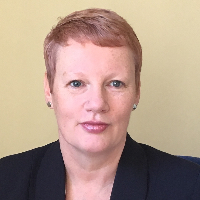













Prisca Coull
BACP
United Kingdom - 6 yrs exp








How self-harm therapy typically works for United Kingdom residents
If you are seeking help for self-harm in the United Kingdom, the process often begins with an initial assessment. That session gives you and the therapist a chance to describe current concerns, identify any immediate safety needs and agree short-term priorities. Therapists tend to collaborate with you to develop a care plan that balances immediate coping strategies with longer-term goals. Some people prefer to work through practical emotion-regulation skills first, while others focus on understanding patterns and underlying triggers.
Treatment can be delivered in different formats - weekly one-to-one sessions, family involvement for young people, or more structured programmes that include skills training. In many cases therapists will discuss how to manage risk between appointments and will make clear how you can access urgent support if needed. You might find a mixture of therapeutic approaches offered, and your therapist can explain which methods are likely to be most helpful for your situation.
Finding specialised help for self-harm in the United Kingdom
You can look for clinicians who list self-harm experience in their profiles and who hold recognised UK registrations or memberships. In larger cities such as London, Manchester and Birmingham there are often specialist services, dedicated clinics and therapists with extensive experience in this area. If you live outside major urban centres, online appointments expand your options and allow you to connect with clinicians who specifically focus on self-harm and related difficulties.
Working with the NHS and private options
The NHS provides a range of mental health supports and in some areas you can be referred by your GP to community mental health teams or specialist adolescent services. Many people also choose to see a therapist privately to access a particular style of therapy or to shorten waiting times. When deciding between NHS and private pathways, consider factors such as waiting lists, the type of therapy offered and whether family involvement is available. Your GP can help with referrals and with coordinating care if you are receiving support from multiple services.
What to expect from online therapy for self-harm
Online therapy for self-harm has become a common option across the United Kingdom and it can be especially helpful if you live far from specialist services or have scheduling constraints. Sessions typically take place by video call, telephone or text-based messaging - whichever your therapist offers. You should expect an initial assessment by video or phone, during which you and the therapist will discuss how online sessions will work and agree a plan for managing distress between appointments.
Therapists will usually talk with you about the practicalities of online work, such as what to do in a crisis and who you can contact locally for urgent help. It is normal to have questions about privacy and how to create a comfortable environment at home for sessions, and a therapist can offer guidance on making remote appointments feel safe and useful. Many people find that online sessions allow continuity of care when relocating or when in-person options are limited, while still providing opportunities for meaningful therapeutic work.
Common signs that someone in the United Kingdom might benefit from self-harm therapy
You might consider seeking specialist help if you notice repeated behaviours intended to hurt yourself, frequent thoughts about harming yourself, or a pattern of using self-injury to cope with intense emotions. Other signs include avoiding social contact, difficulty managing everyday responsibilities because of distress, or increased alcohol or substance use alongside self-harm. Friends and family often notice changes in mood, sudden secrecy about injuries or clothing choices intended to hide marks, and repeated explanations that do not match the physical signs.
For young people, teachers and school staff may observe declining academic performance, withdrawal from activities or sudden changes in peer groups. If you or someone you care about is feeling overwhelmed by urges to self-harm or experiencing thoughts of an inability to stay safe, it is important to reach out for help and to follow local emergency guidance when necessary. Early contact with a therapist can help you build alternatives to self-harm and create a plan for keeping yourself safe between sessions.
Tips for choosing the right therapist for this specialty in the United Kingdom
When you begin searching, pay attention to a clinician's training and their stated experience with self-harm and related issues. Look for therapists who describe their typical therapeutic approach and who explain how they handle risk and crisis management. It is reasonable to ask about their work with people of your age and background, and about their experience with techniques that focus on emotion regulation, distress tolerance and interpersonal skills.
Practical considerations matter too. Consider location if you prefer face-to-face work - London, Manchester and Birmingham each have extensive therapy networks, while smaller towns may have more limited local options. If you choose online therapy, check whether the therapist offers flexible hours or daytime and evening appointments that suit your schedule. Cost is another factor - NHS routes can reduce out-of-pocket expense, while private appointments may offer faster access or a specialist focus. Ask about session length, cancellation policies and whether they offer a short initial meeting to see if you connect with them.
Trust and rapport are central. You should feel listened to and respected from the first contact. If an initial consultation leaves you uncertain, it is acceptable to try a different clinician until you find someone who fits. In families where a young person is seeking help, a therapist who can involve parents or carers in a helpful, age-appropriate way can be especially beneficial. You may also want to consider cultural fit, language needs and whether the therapist has experience working with the particular communities or life circumstances that matter to you.
Practical next steps
Begin by reading several therapist profiles to compare qualifications, approaches and availability. Make a short list and arrange introductory calls or messages to ask about experience with self-harm, how they manage safety planning and what to expect from the course of therapy. If you are unsure about any aspect of care, your GP can help with referrals and with coordinating urgent support when it is needed. Remember that finding the right therapist can take time - but the listings and initial contacts are a practical way to move toward the support you want.
Whether you are in a city centre or a more rural area, options exist that can match your needs and scheduling constraints. In locations such as London, Manchester and Birmingham you may find a wider range of specialist services, while online care increases accessibility across the United Kingdom. Take the first step by reviewing profiles below and reaching out to clinicians who feel like a good fit for your circumstances.