Find a Queer Friendly Therapist in United Kingdom
This directory page highlights therapists across the United Kingdom who provide queer friendly therapy, with profiles that describe each practitioner's experience and approach. Visitors can browse the listings below to compare specialties, availability, and whether a therapist offers online or in-person appointments.
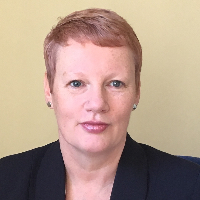







Prisca Coull
BACP
United Kingdom - 6 yrs exp

Nicole Barry
BACP
United Kingdom - 5 yrs exp















How queer friendly therapy works for United Kingdom residents
Queer friendly therapy is an approach that acknowledges the particular life experiences, stresses, and strengths of LGBTQ+ people. In the United Kingdom this can mean working with therapists who have explicit training in LGBTQ+ issues, who use an affirmative approach to sexual orientation and gender identity, or who concentrate on areas commonly experienced by queer clients - such as minority stress, relationship dynamics, coming out, and identity exploration. Therapy itself is a collaborative process: you and a therapist agree on what to address, set realistic goals, and regularly review progress. The emphasis is often on building coping strategies, exploring identity safely, and developing resources to navigate social and relational challenges.
Access routes vary. Some people are referred via the NHS or through community mental health services, while others seek support through charitable organisations and specialist clinics. Many in larger urban areas like London, Manchester, and Birmingham will find a wider range of in-person, specialist services, but online options have made experienced queer friendly practitioners more accessible to people living outside major centres. Whatever the route, a key element is finding a therapist whose approach matches your needs and who demonstrates an understanding of the social and cultural contexts that affect queer lives in the UK.
Finding specialized help for queer friendly needs in the United Kingdom
Local services and specialist providers
When searching for a therapist, consider whether you need general LGBTQ+ affirmative therapy or specialist support for a particular issue, such as trauma related to harassment or abuse, relationship counselling, or support with gender-related matters. In cities you may find clinics and community centres that run targeted programmes, drop-in support, or group work. London often has the widest range of highly specialised services, while Manchester and Birmingham host well-established community resources and experienced practitioners. If you live outside major cities, online therapy and telephone-based services can bridge gaps and connect you with clinicians who have the right expertise.
What to look for in credentials and experience
Professional qualifications and registrations matter because they indicate training and adherence to professional standards. Many therapists in the UK list memberships with national bodies and note specific training in LGBTQ+ affirmative practice, trauma-informed care, or couples counselling. When reviewing profiles, look for clear descriptions of experience with queer clients, an explanation of therapeutic approach, and indications of whether a therapist has worked with issues like minority stress, intersectionality, or cultural identity. A short initial conversation or consultation can also help you assess whether the therapist's way of working feels like a fit.
What to expect from online therapy for queer friendly support
Online therapy has become a common way to access queer friendly clinicians across the United Kingdom. Sessions are usually conducted by video call, although some therapists also offer phone or text-based options. You can expect similar session lengths and therapeutic structures to in-person work, typically weekly or fortnightly sessions of around 50 to 60 minutes, though some therapists offer shorter or longer formats. Online therapy can be particularly useful if you prefer to connect with someone outside your local area, want access to clinicians with specific queer expertise, or need flexible scheduling that fits work or family commitments.
Preparing for online sessions means finding a comfortable environment at home or another private place where you will not be disturbed, having a reliable internet connection, and making sure you know the therapist's contact method and cancellation policy. Therapists will usually go through practical arrangements and discuss any concerns about technology at the start. If you are accessing therapy from a location where others live with you, plan for how to manage interruptions and how to maintain privacy during emotionally charged conversations. Online work can feel just as intimate and effective as face-to-face therapy, but it helps to be realistic about boundaries and to discuss emergency planning with your therapist, particularly if you are working through difficult material.
Common signs that someone in the United Kingdom might benefit from queer friendly therapy
People seek queer friendly therapy for many reasons. You might be feeling persistent low mood or anxiety that affects work, relationships, or day-to-day functioning. You might be experiencing distress related to coming out, relationship conflict, or rejection from family or community. Experiences of discrimination, microaggressions, or harassment can lead to ongoing stress that is best addressed in a space where your identity is understood. Identity exploration can be joyful but also unsettling, and having a clinician who can hold questions about gender and sexual orientation without judgment often helps. Other reasons include difficulties navigating dating and intimacy, coping with minority stress, managing the emotional impact of transition-related choices, or processing past trauma. If daily life feels harder to manage or you are struggling to move forward, talking with a queer friendly therapist can offer clarity and practical strategies.
Tips for choosing the right therapist for queer friendly work in the United Kingdom
Start by clarifying what you want from therapy. Are you looking for short-term support to manage a specific issue, or longer-term work to explore identity and patterns in relationships? Once you know your priorities, read therapist profiles closely to find those who describe relevant experience. Ask about the therapist's approach and how they work with LGBTQ+ issues, and inquire whether they have experience with situations similar to yours. It is reasonable to ask about training in areas such as affirmative practice, trauma-informed care, or gender diversity. Consider practical factors too: whether the therapist offers evening or weekend appointments, their fee structure, and whether they provide online sessions if travel is difficult.
If you prefer face-to-face therapy, think about proximity and transport links. In larger cities like London, Manchester, and Birmingham you will often have more options for in-person appointments and specialist services. If you need to balance work or family life, online therapy can widen your choices. Trust and rapport matter a great deal, so look for someone who listens and validates your experience in an initial consultation. It is also useful to discuss how progress will be reviewed and what to do if the fit does not feel right - a good therapist will support a change of direction or help you find an alternative practitioner.
Finally, pay attention to accessibility and cultural fit. If language, faith, ethnicity, or regional identity are important to your work, seek therapists who demonstrate awareness of these intersections. Many therapists will note their areas of cultural competence in their profiles. You can also ask directly about how they incorporate intersectional perspectives into their work. Finding a therapist who recognises the multiple parts of your identity can make therapy more effective and meaningful.
Seeking queer friendly therapy in the United Kingdom is a step toward aligning treatment with your identity and life context. Whether you choose a local practitioner in a city or an online therapist who specialises in queer issues, taking time to match on experience, approach, and practical arrangements will help you get the most from the therapeutic relationship.